|
Our second day in Kyoto was packed with viewing the cultural sites. We saw all the famous temples in the northern Higashiyama district. The careful planning that we did in advance allowed us to
see the most sites in the most efficient manner. It required a lot of walking, but it was a great way to see so much of Kyoto with our limited time.
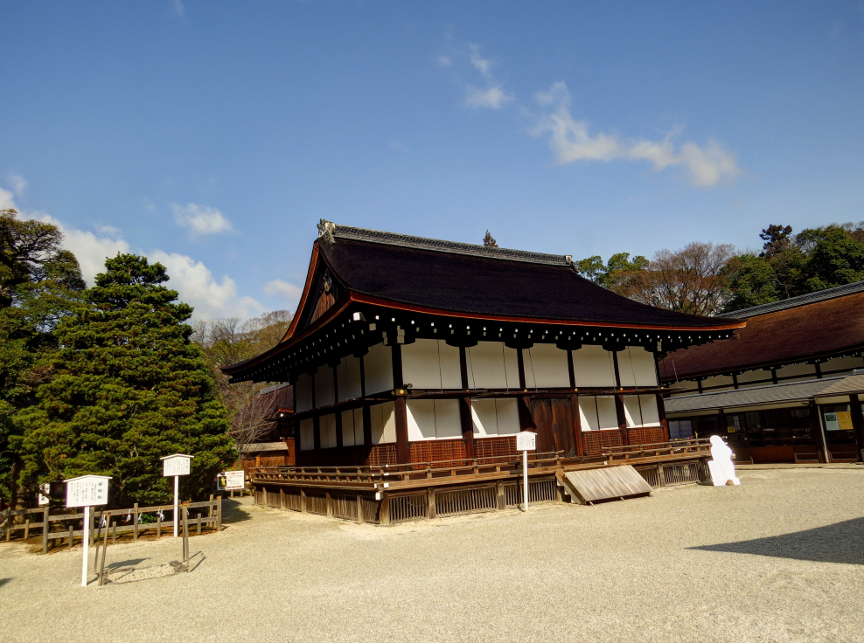
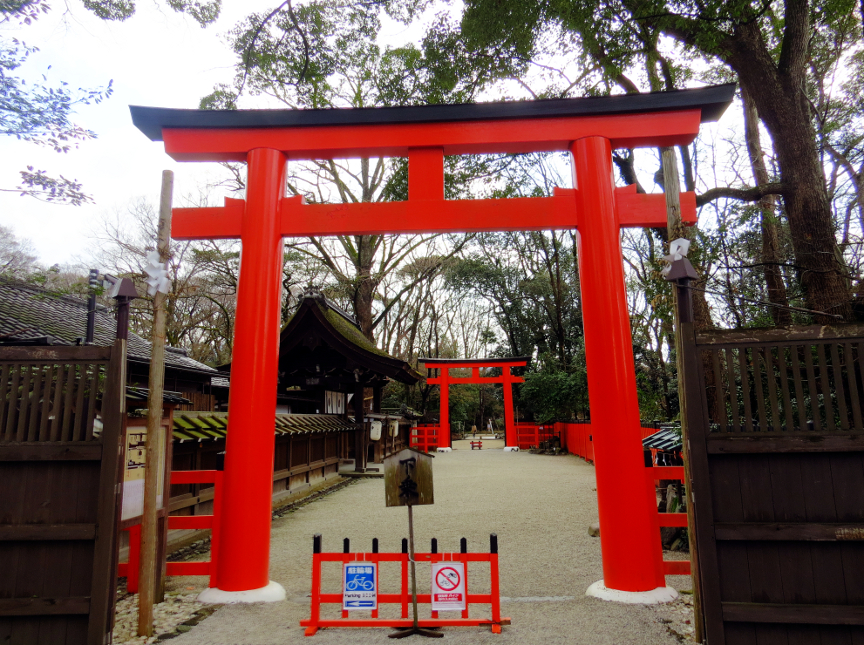
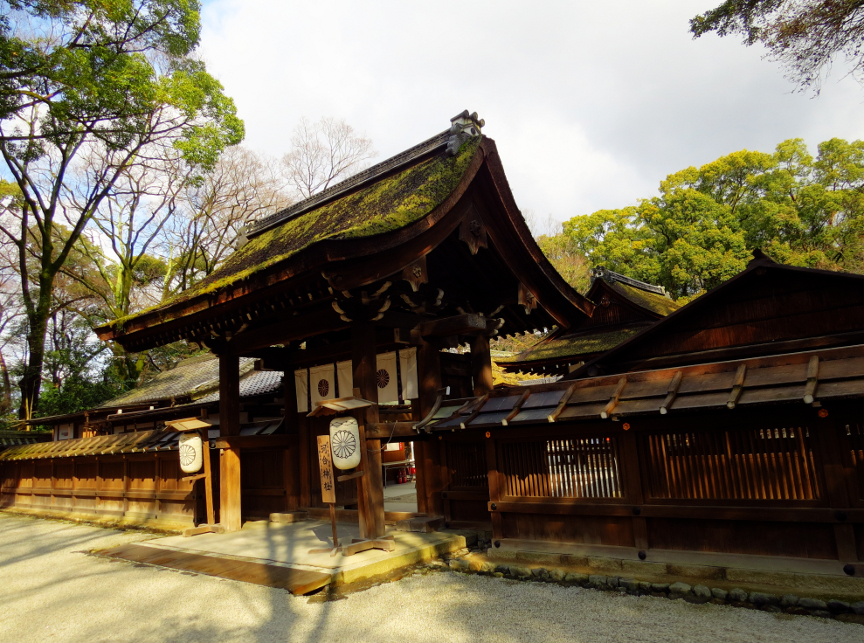
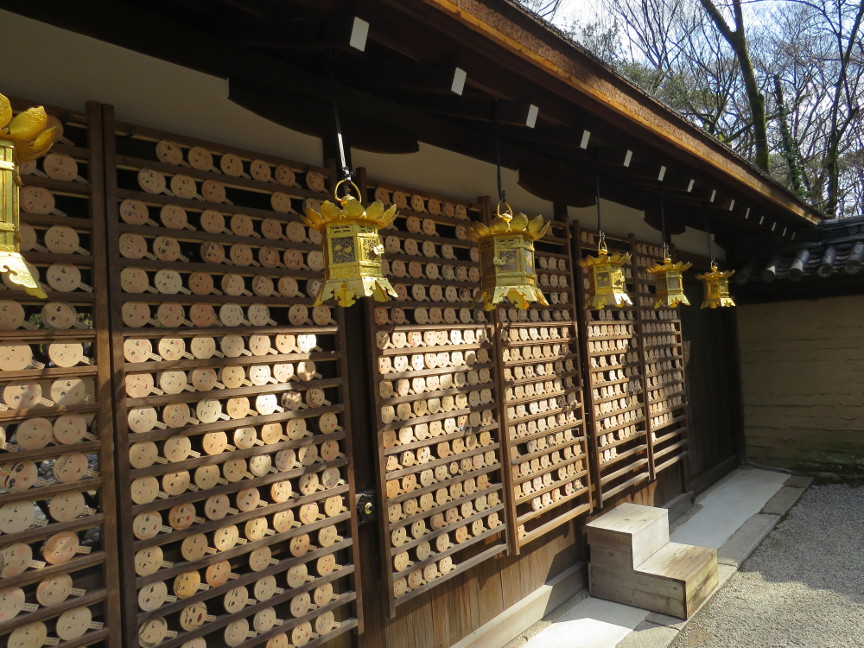
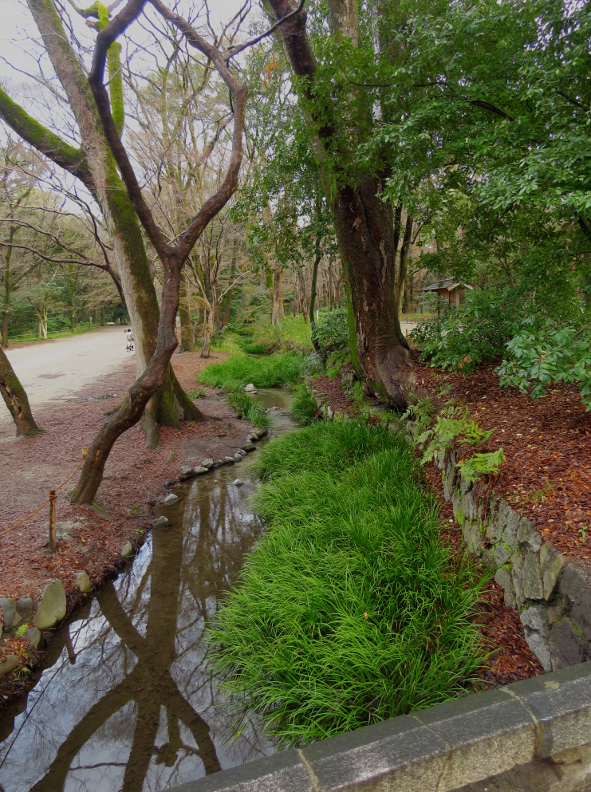
The first stop was the UNESCO World Heritage site of Shimogamo-jinja. This site opens early, so it was an ideal place to begin our busy day. Shimogama is one of the older complexes in Kyoto, it was first constructed in the 7th century. It is most famous
for having a large forested area where visitors can stroll. Of course, we walked up and down the paths in this area, to see the trees and shrines.
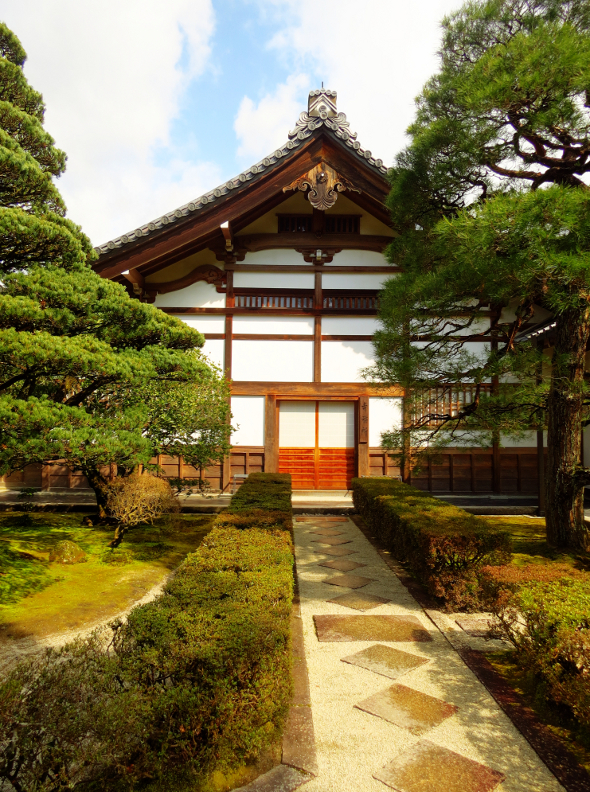
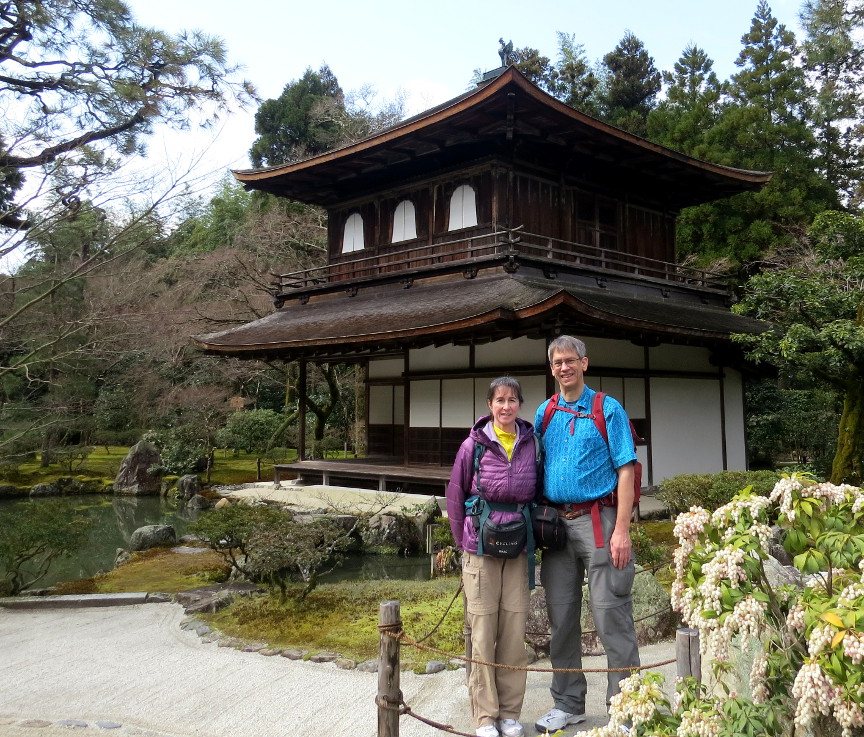
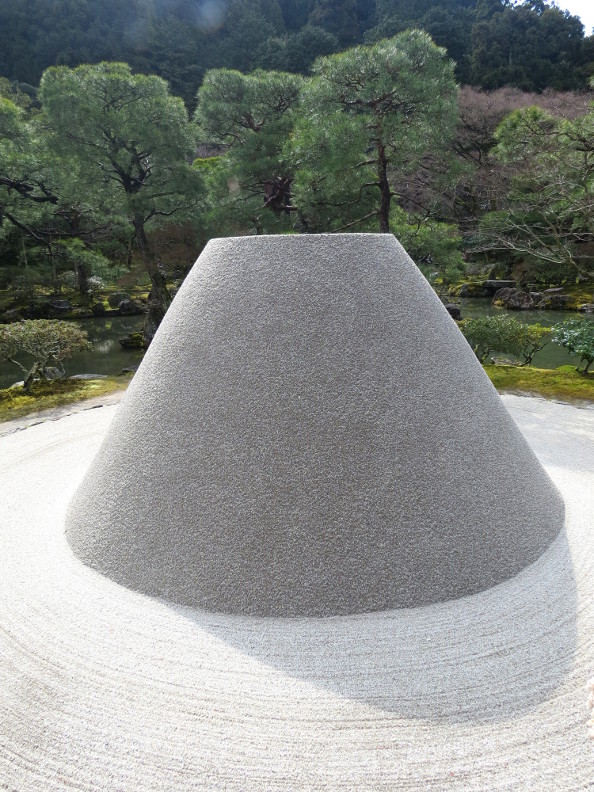
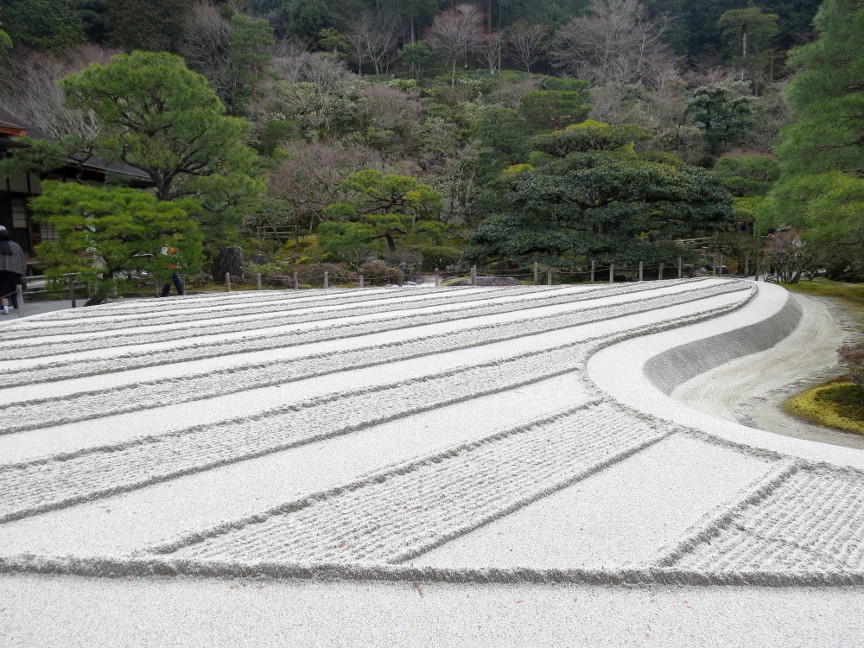
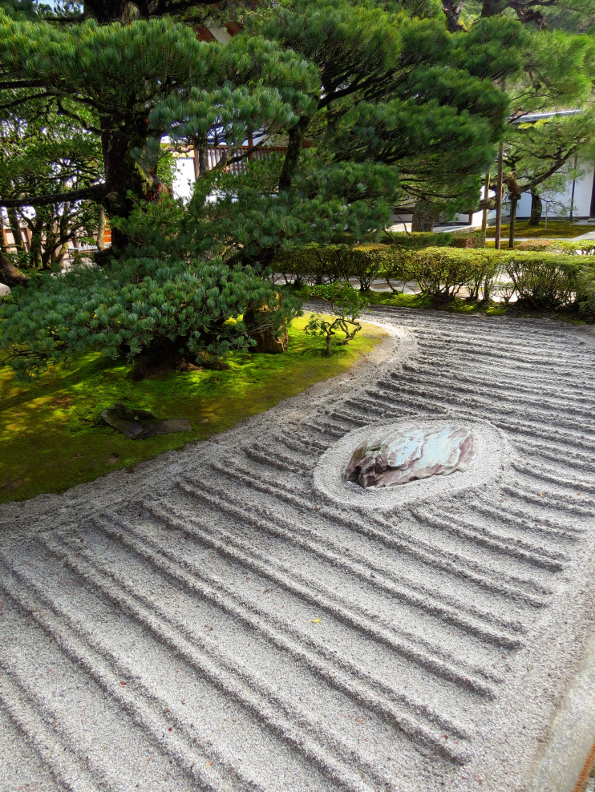
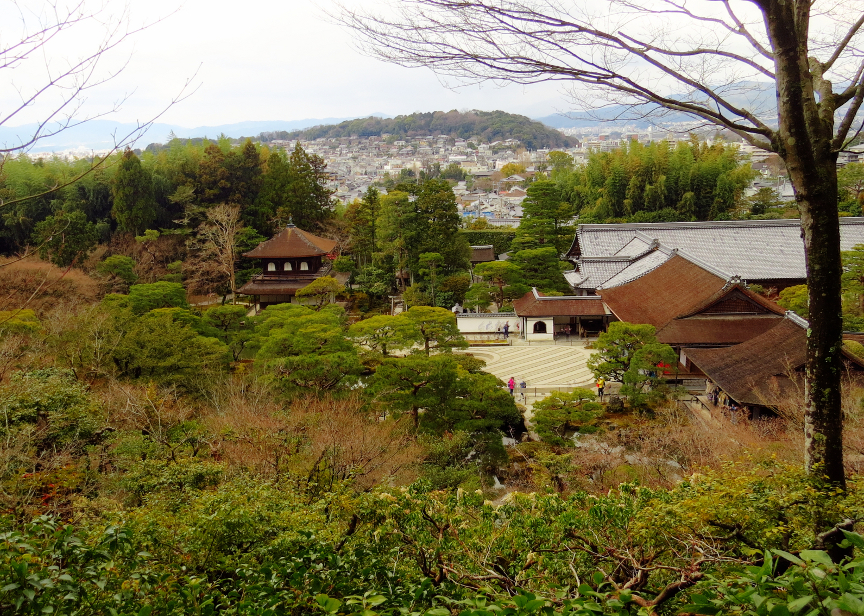
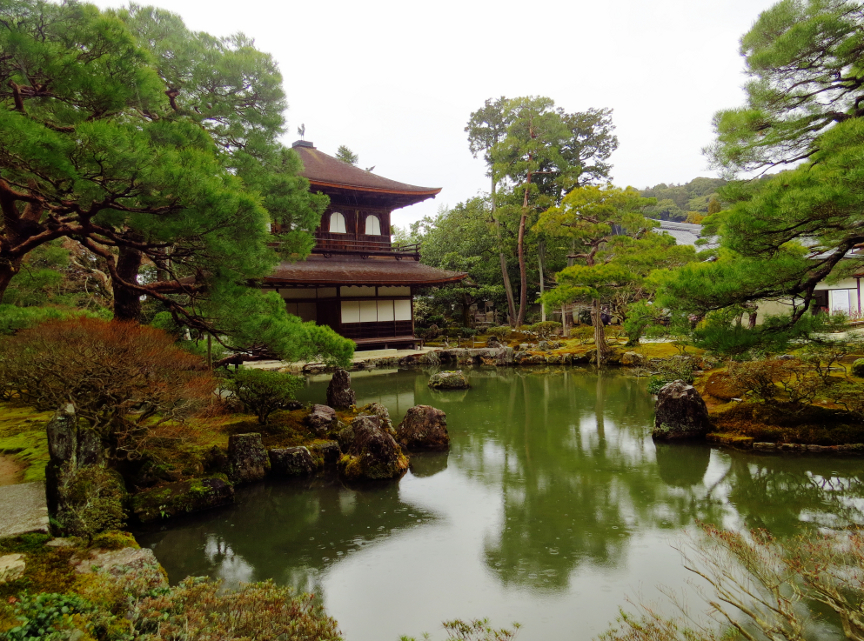
A short bus ride from Shimogamo Shrine is the famous Ginkaku-ji, the Silver Pavilion. This structure was built by the grandson of the shogun who built the Golden Pavilion; the design of the main Ginkaku building is modeled after the Kinkaku-ji temple. Despite
the Silver Pavilion name, this building was never coated in silver leaf. Instead, the name is supposed to derive from the belief that the pavilion shines like silver under a full moom. Ginkaku-ji is another UNESCO World Heritage site.
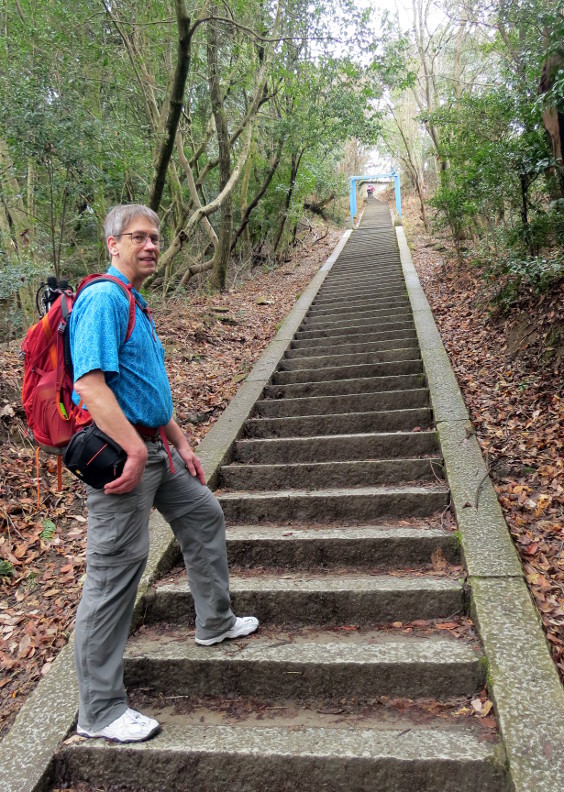
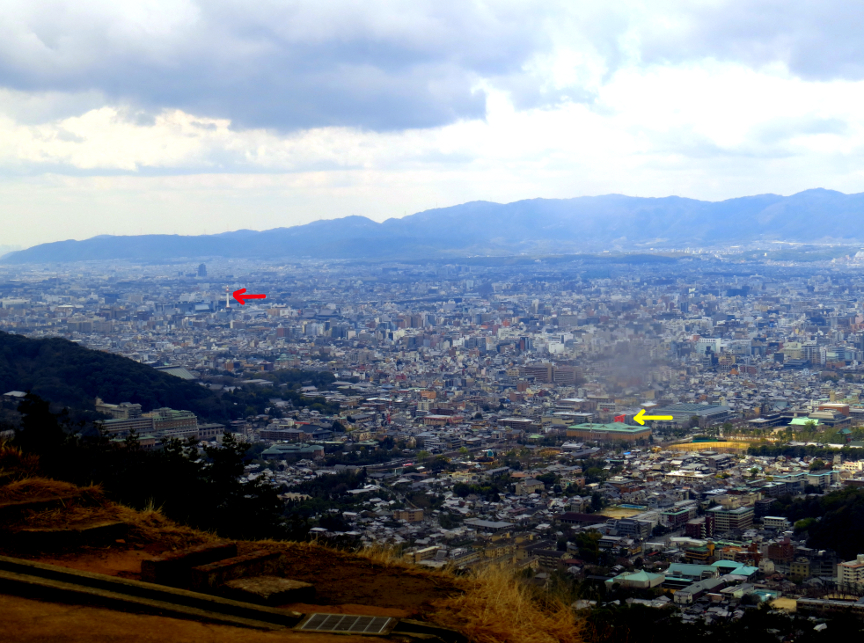
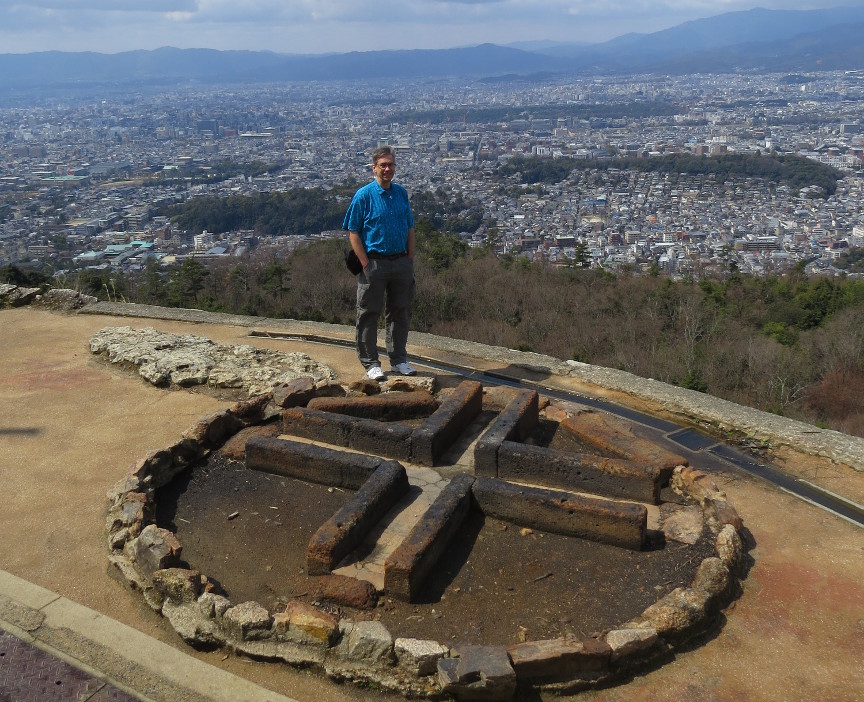
Behind Ginkaku is a short hike up to a view point on Mt Daimonji-yama. When we got to the stop, a few drops of rain started to fall, and I wondered if we would be rained upon. That was the extent of the precipitation on this day, and the rest of our day was nice weather.
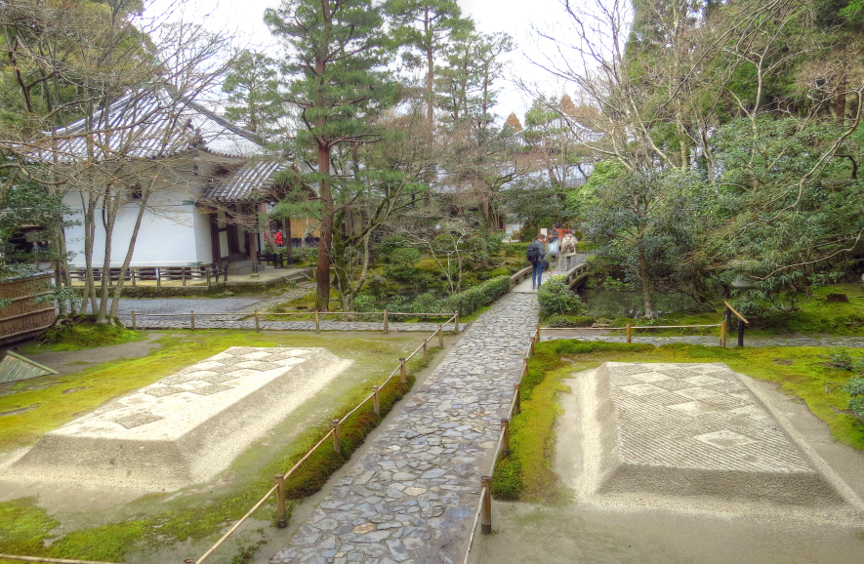
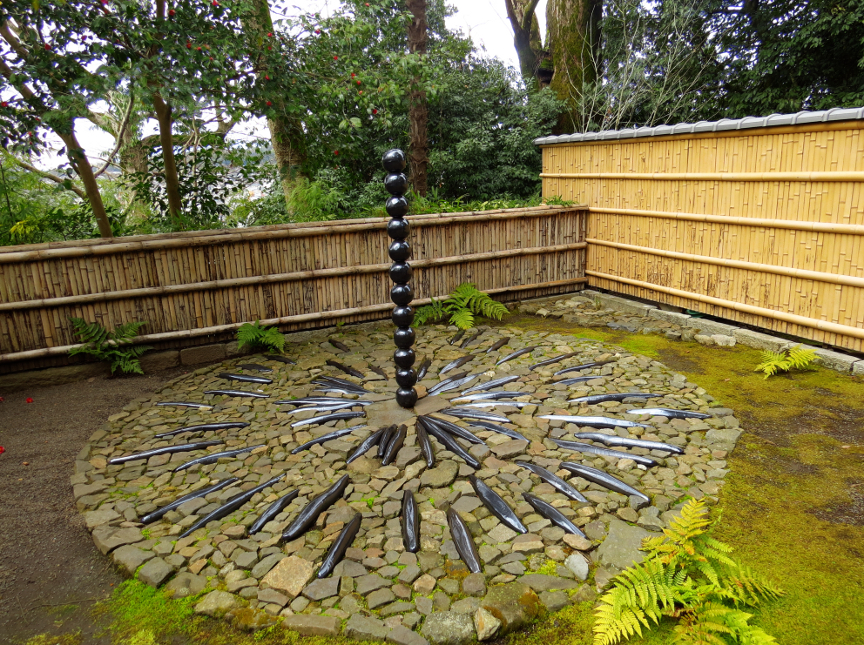
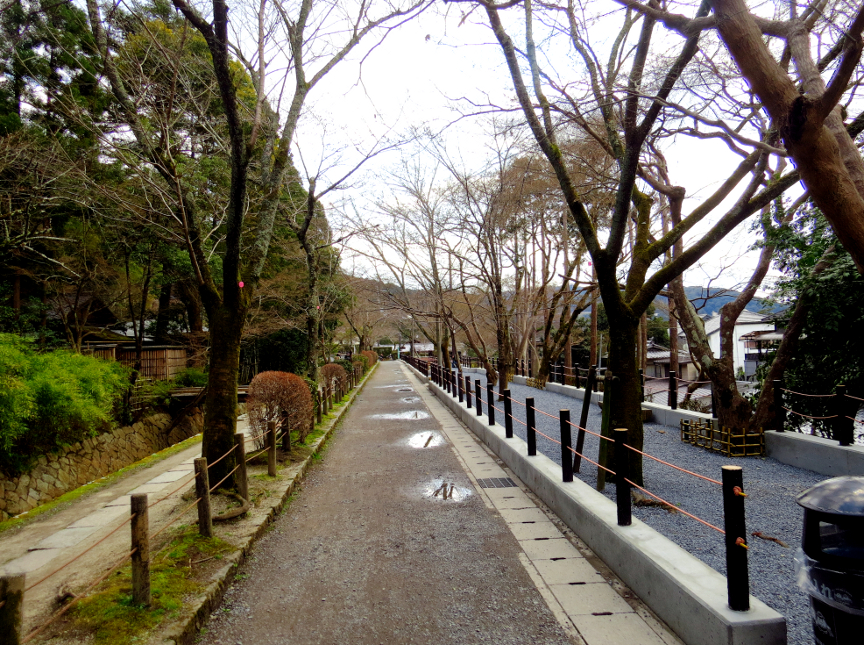
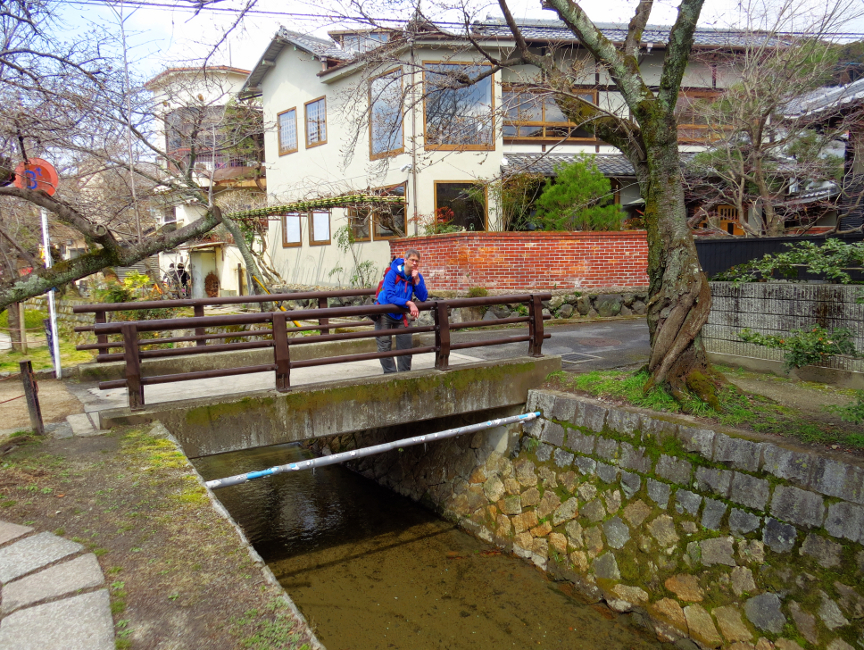
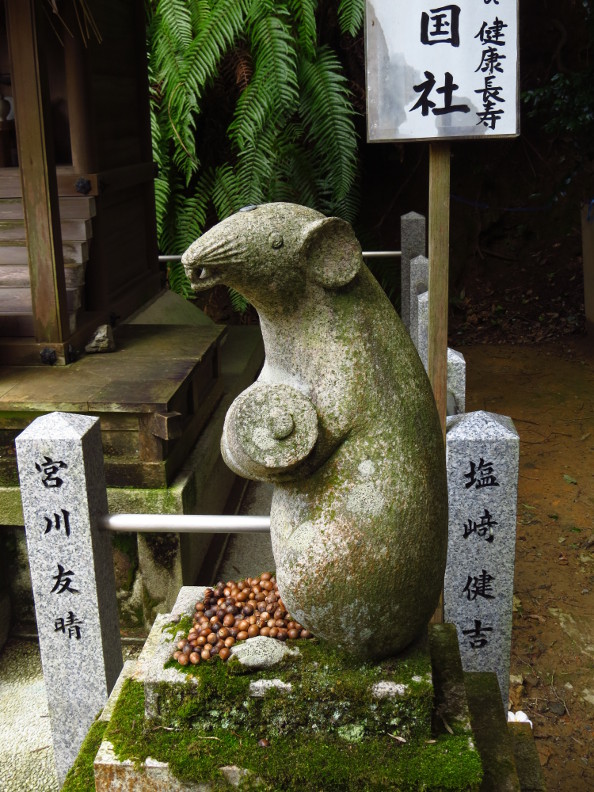
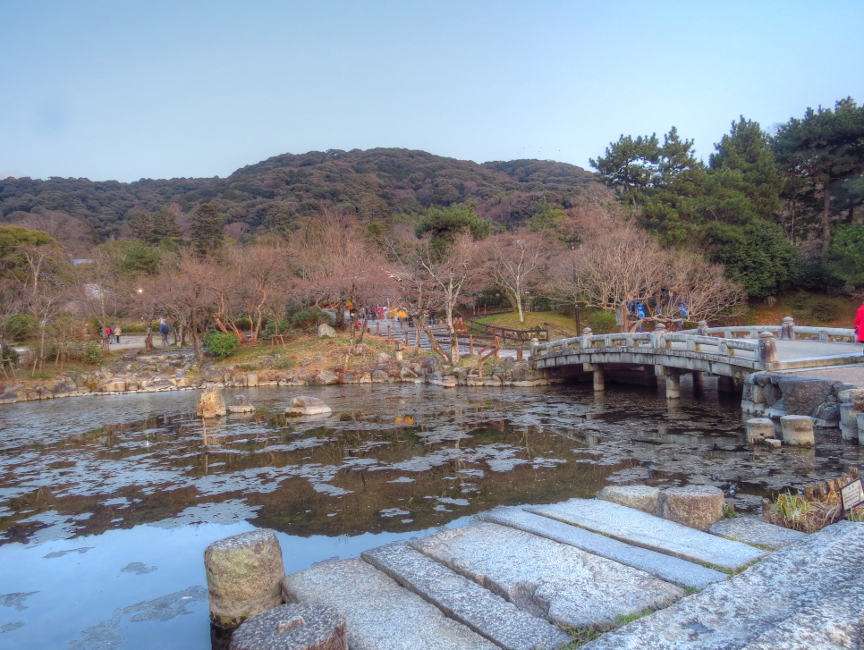
Ginkaku-ji is at the northern end of the famous Philosophers Path. This walk meanders along the base of the Kitayama mountains. There are temples along the route. We stopped at the Honen Temple and the Otoyo Shrine. Otoyo Shrine is interesting because it honors rats!
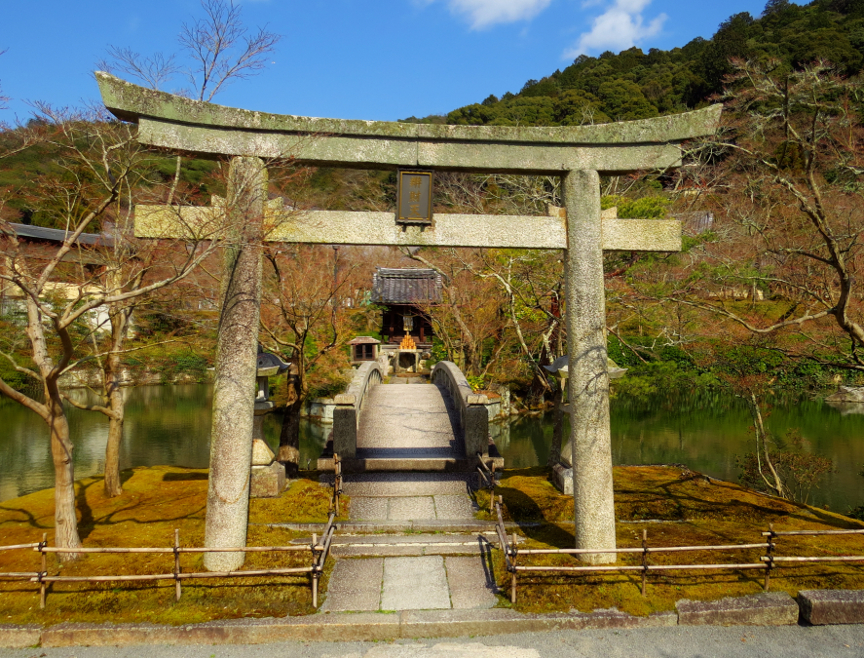
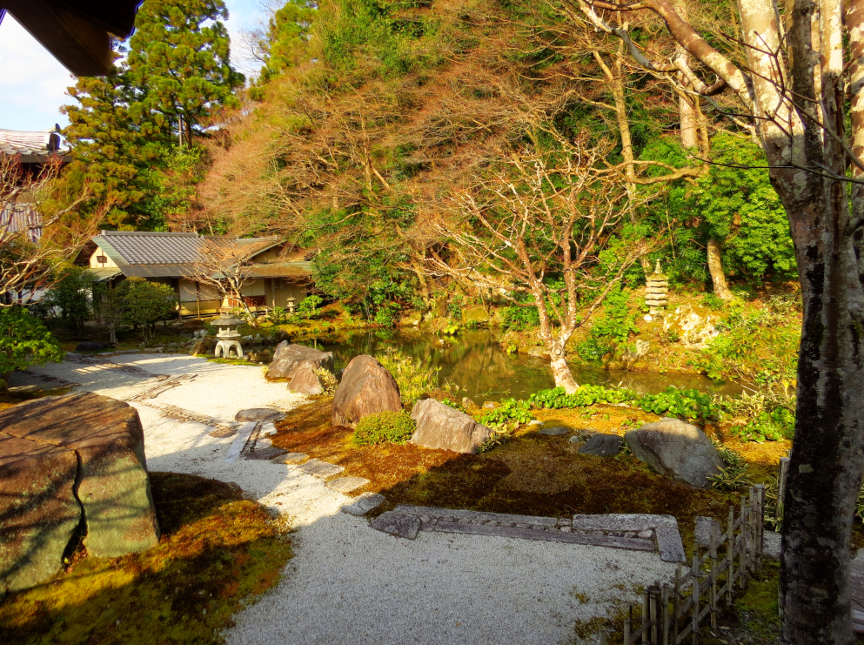
At the southern end of the Philosopher's Path is the Eikando Temple Complex. Eikando is famous for its fall foliage displays, but of course we were visiting in the spring time. Eikando is a large temple complex, and we spent a significant amount of time exploring its gardens
and buildings. It has a treasure room, and an elaborate room holding the famous Amida Buddha. The Amida Buddha is special because the statue original faced forward, but one day it turned its head and talked to the high priest.
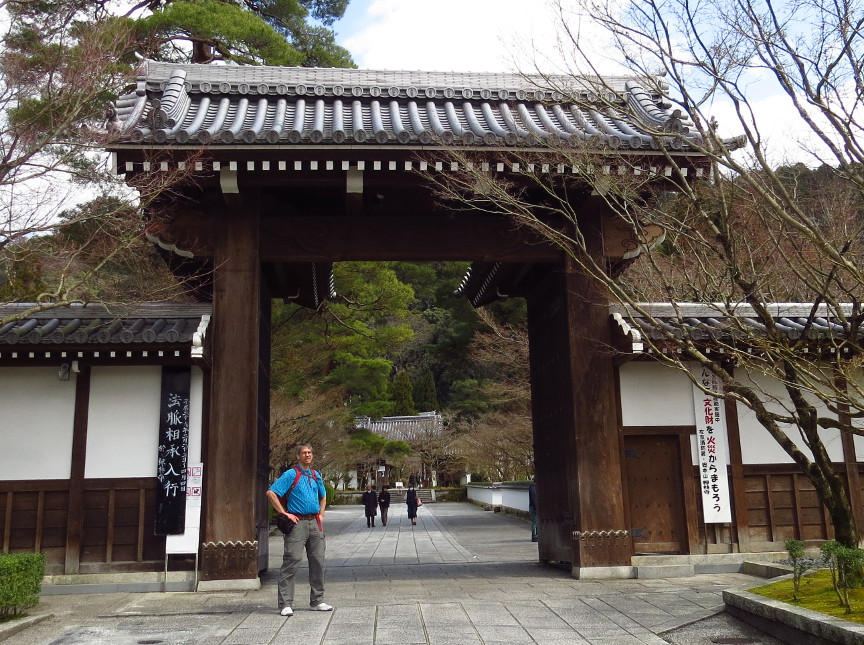
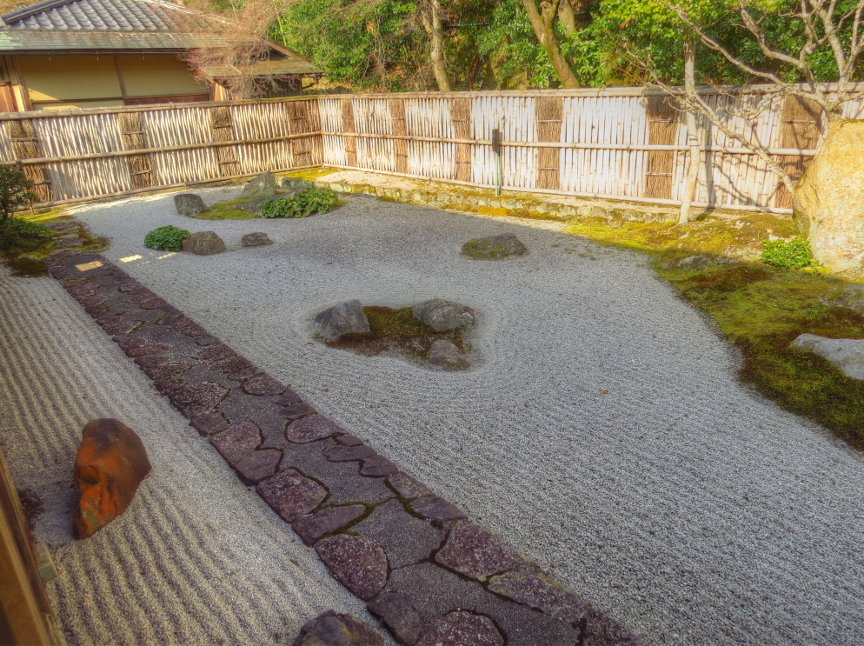
Nanzen-ji is another enormous temple complex. We walked through here, looking at the rock gardens and building. Nanzen is famous for it gigantic Sanmon entrance gate, which of course we climbed up to its balcony.
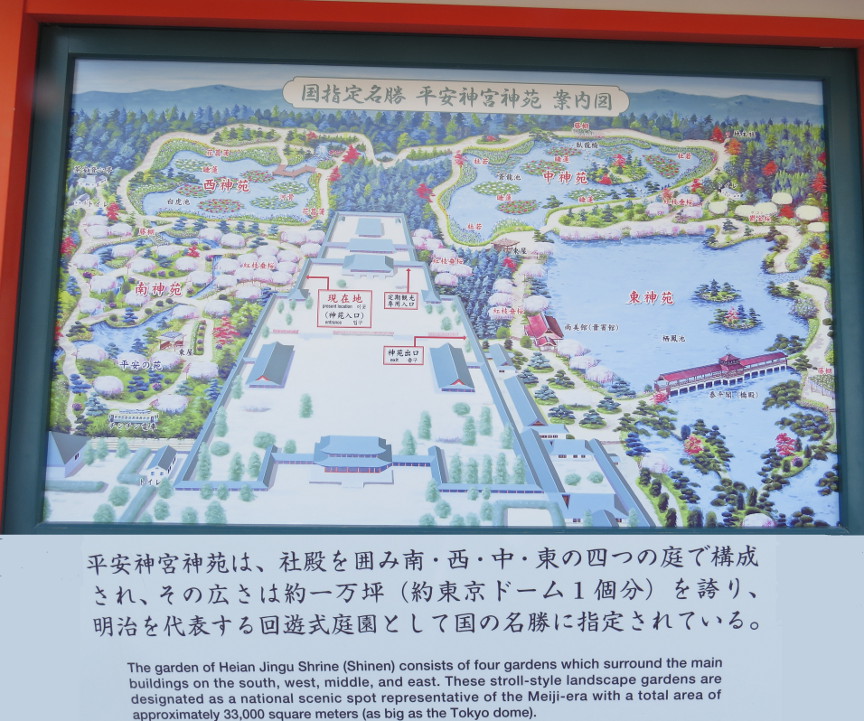
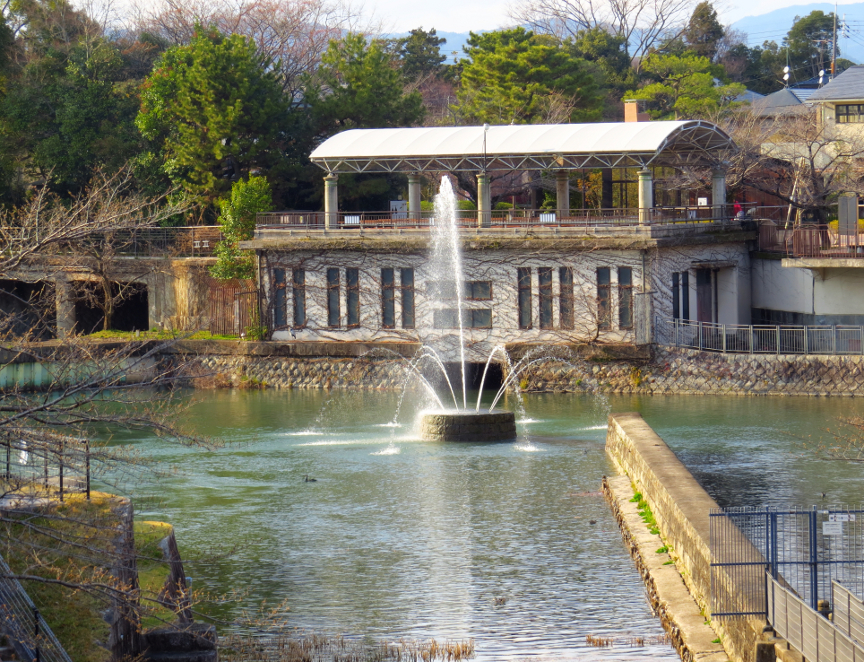
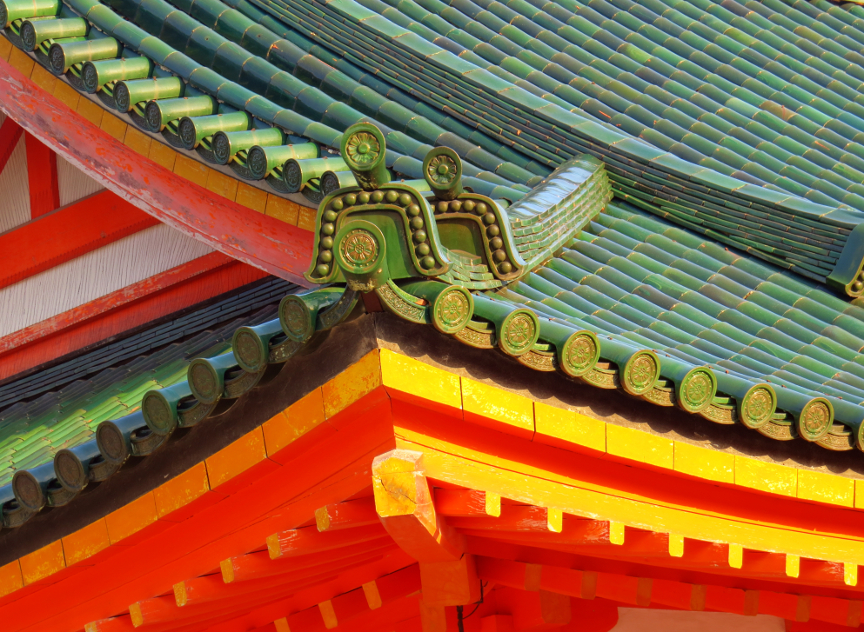
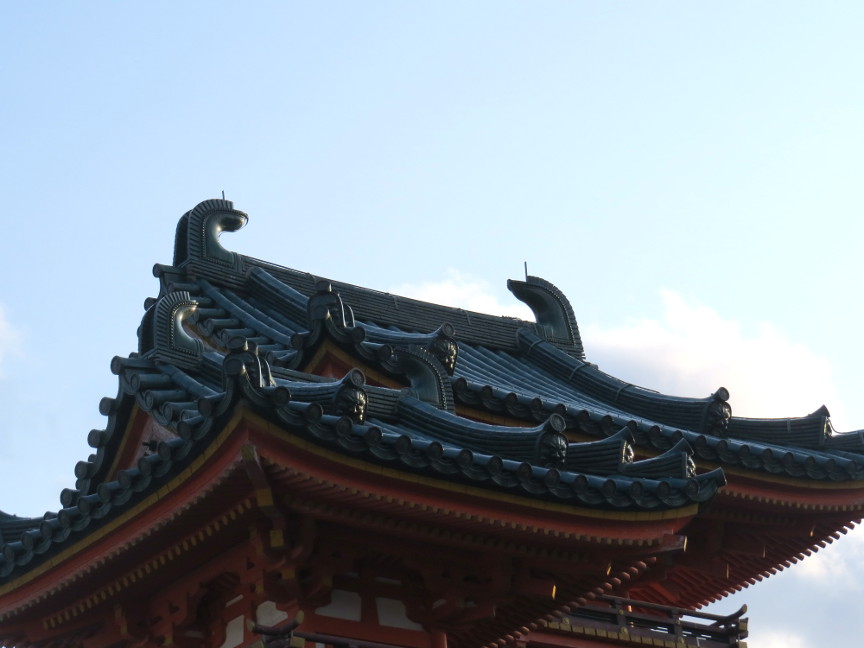
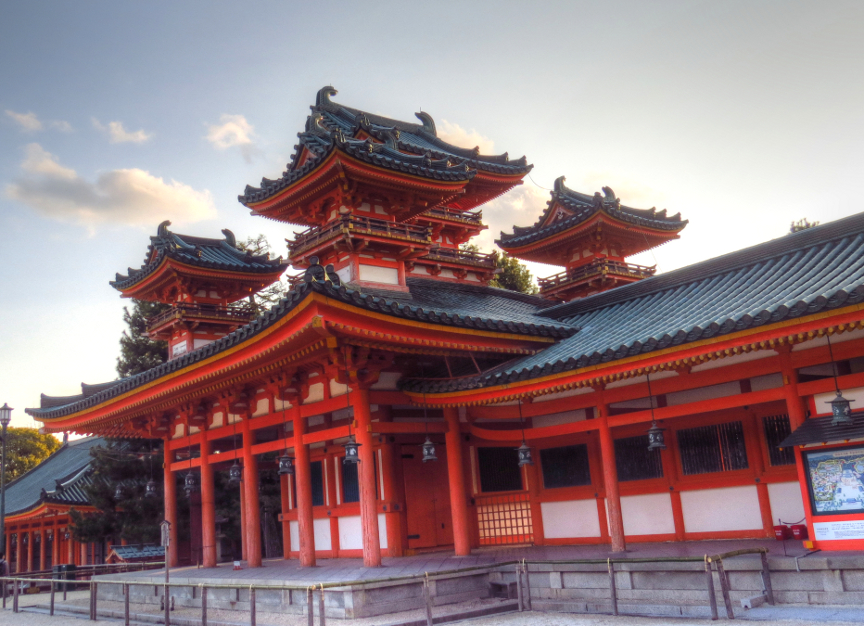
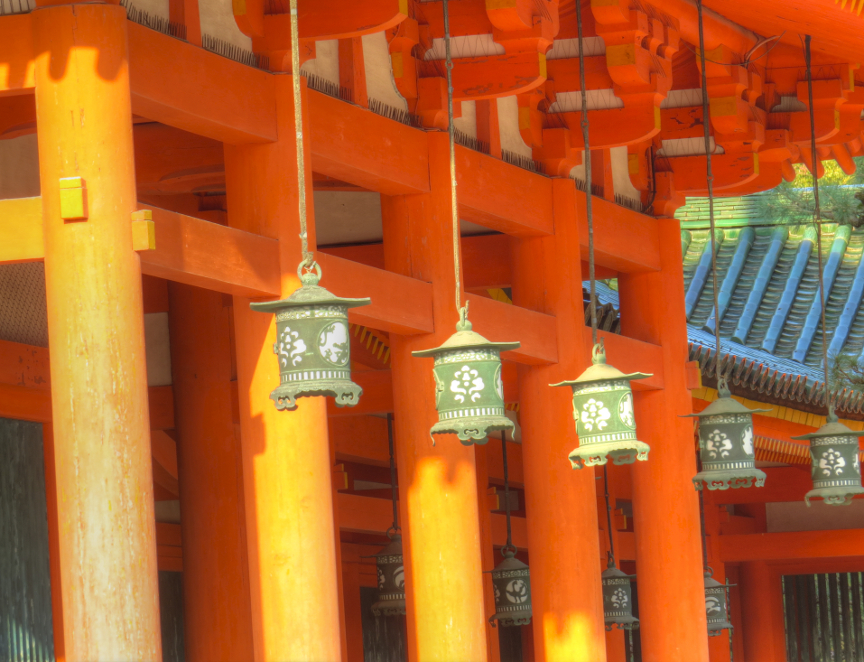
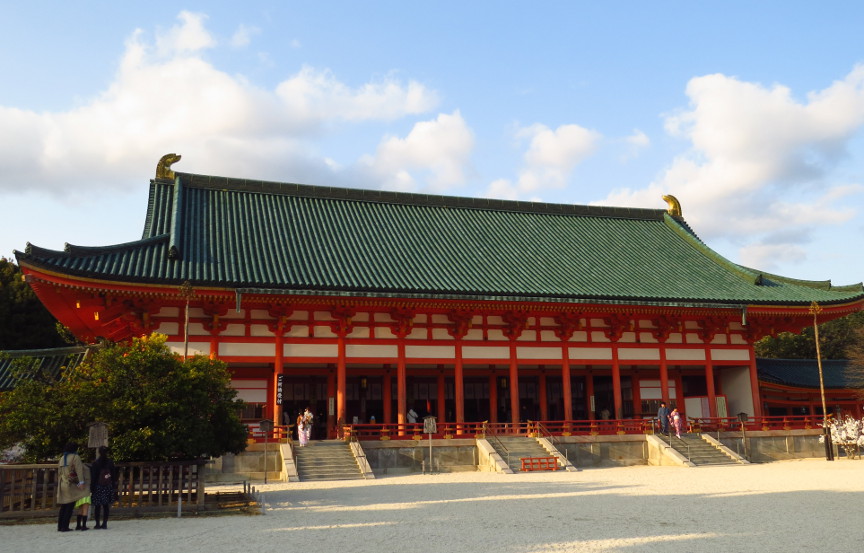
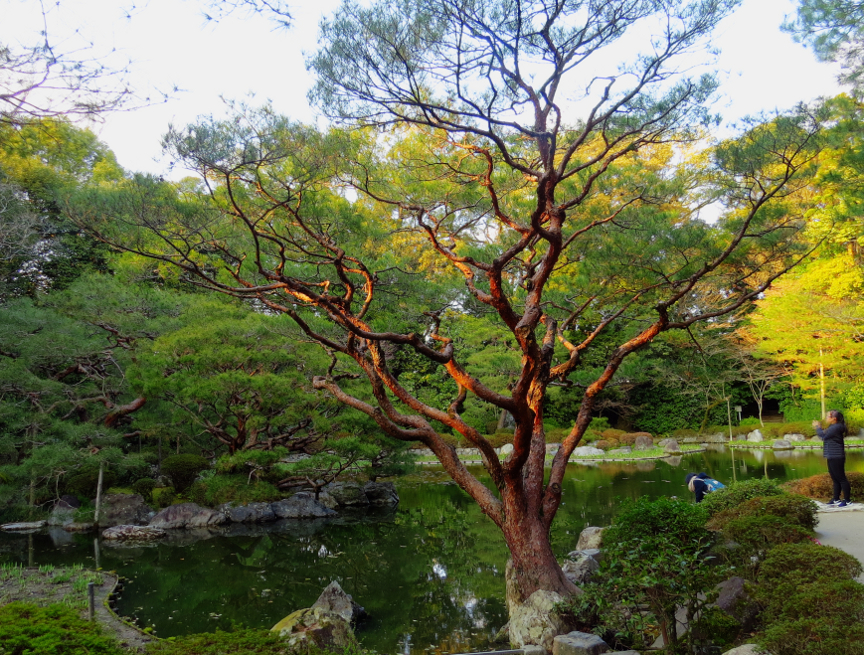
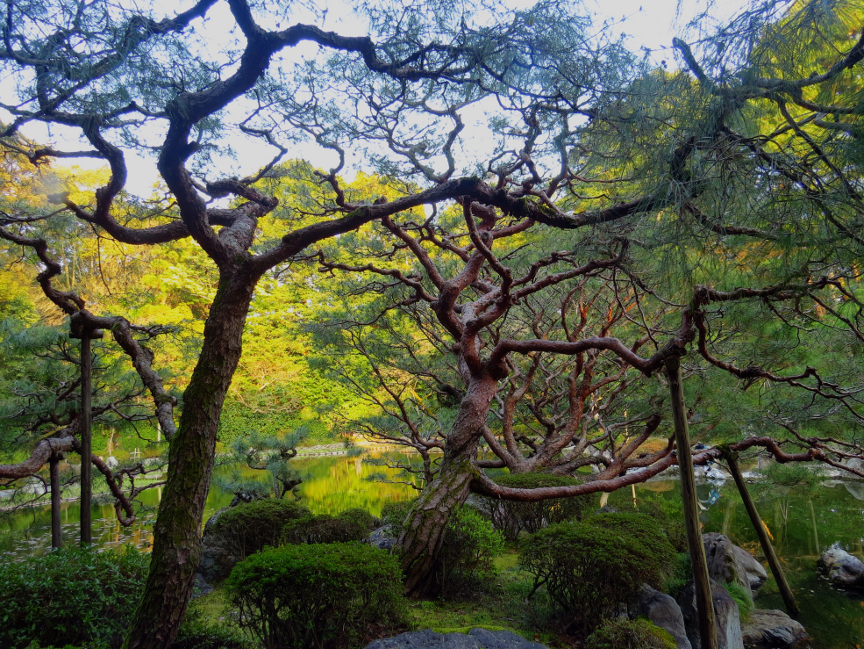
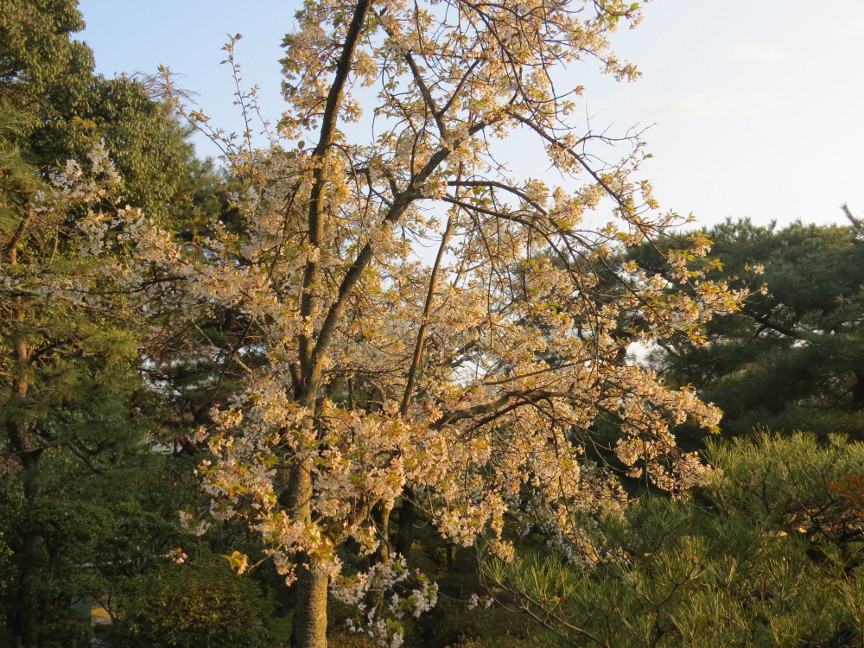
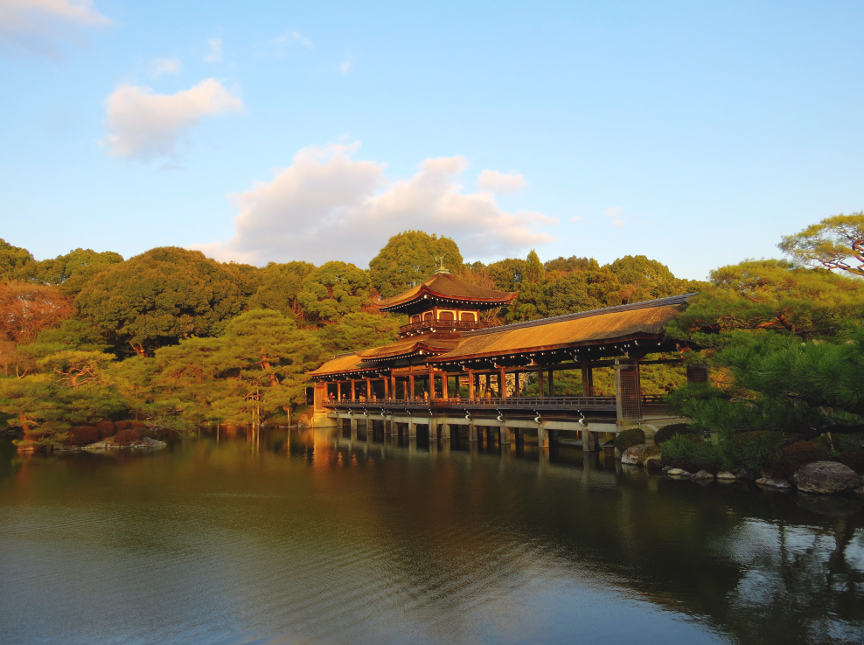
Heian shrine was added to our itinerary after I read about its huge torii gate. I was surprised when we got to Heian to find that it too was another large complex, full of vermillion painted buildings and surrounded by an extensive set of gardens. We took a walk through
those gardens in the late afternoon.
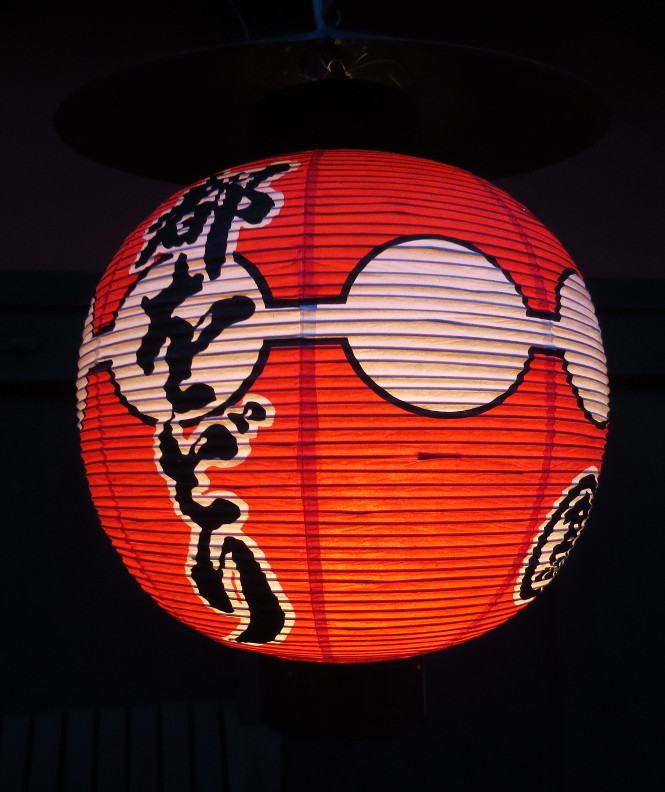
We ended our day by walking down to the Gion District. This area is famous for nightlight and restaurants. Originally, I intended to follow a zigzag path through the Gion streets, but we were just too tired by this point to have much energy for more touring. Also, the
early evening was turning surprisingly chilly, so we caught a bus back to the Kyoto Station and our hotel. It was a highly successful day of sightseeing!
To display the photo images on this webpage, I am using a freely distributed java script called Lightbox v2.7.1 written by Lokesh Dhakar.
You can download this program by clicking on this link.
All the text and photographs on this webpage are my own creation, but the textured background is taken from a site, EOS development, that offers non-profit
users free use of their graphics. Click the icon below to visit their site. |
Click on any thumbnail to begin the slide show at that photograph Kyoto Day 2 Pictures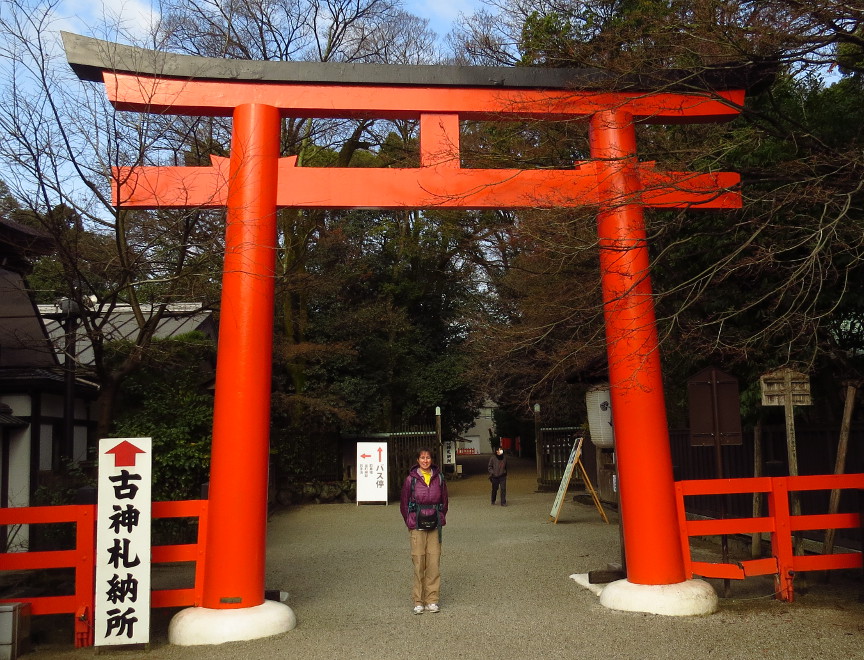















































|