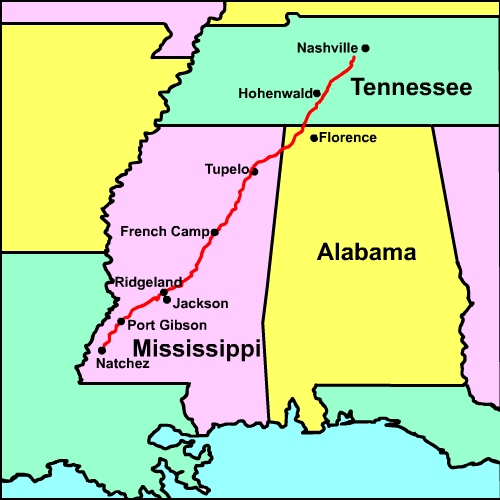
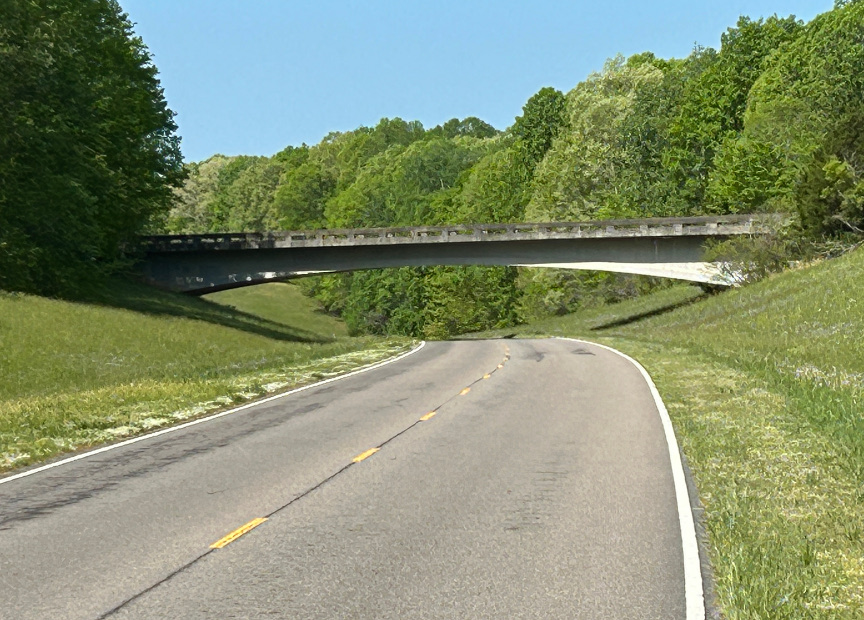
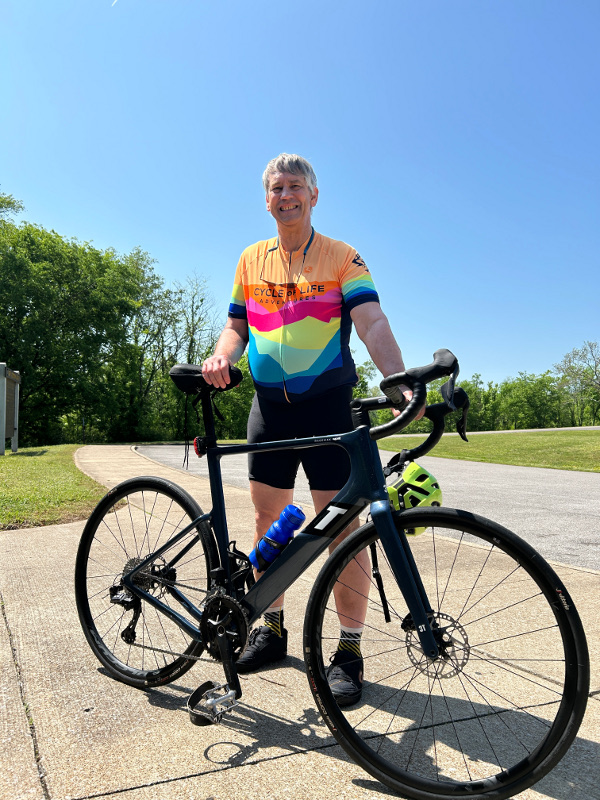
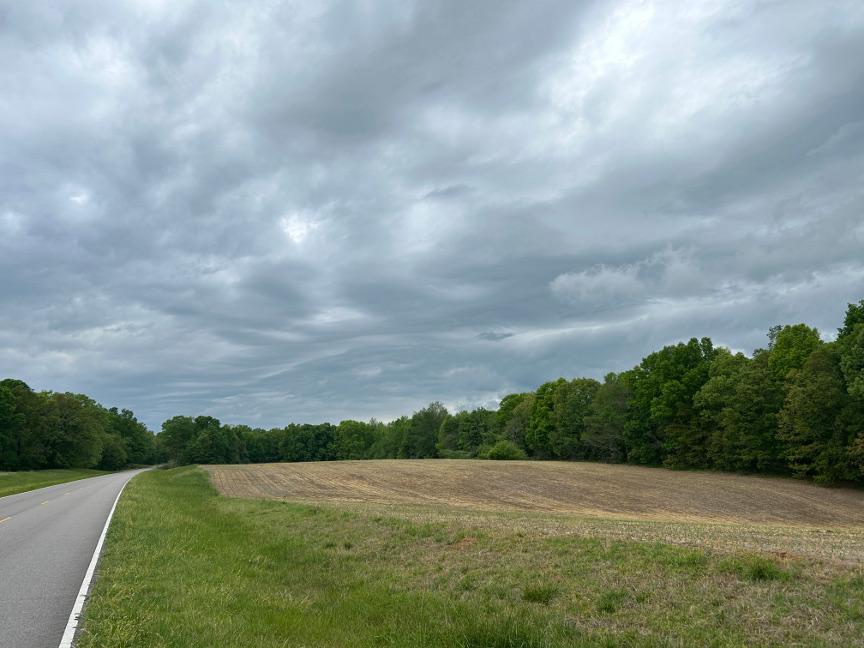
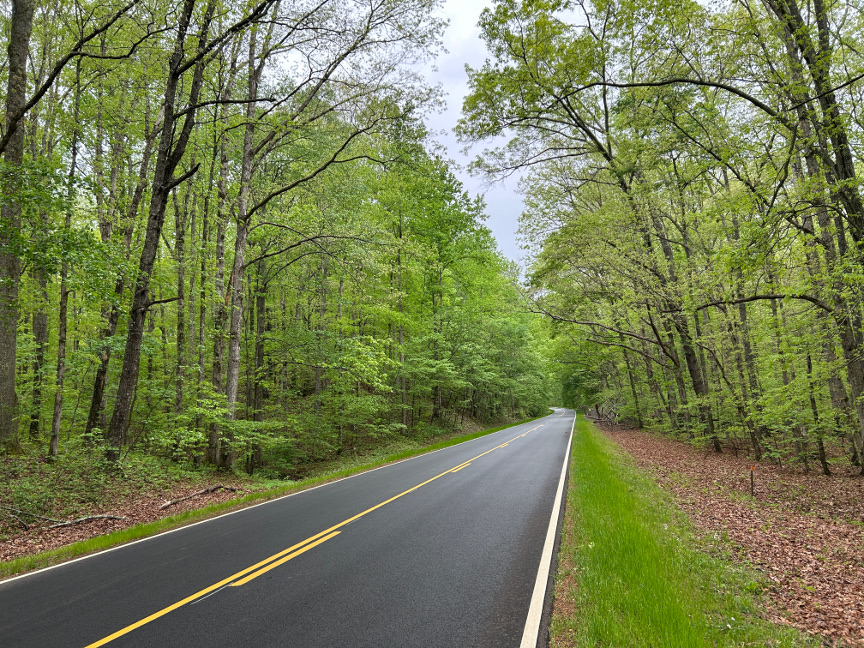
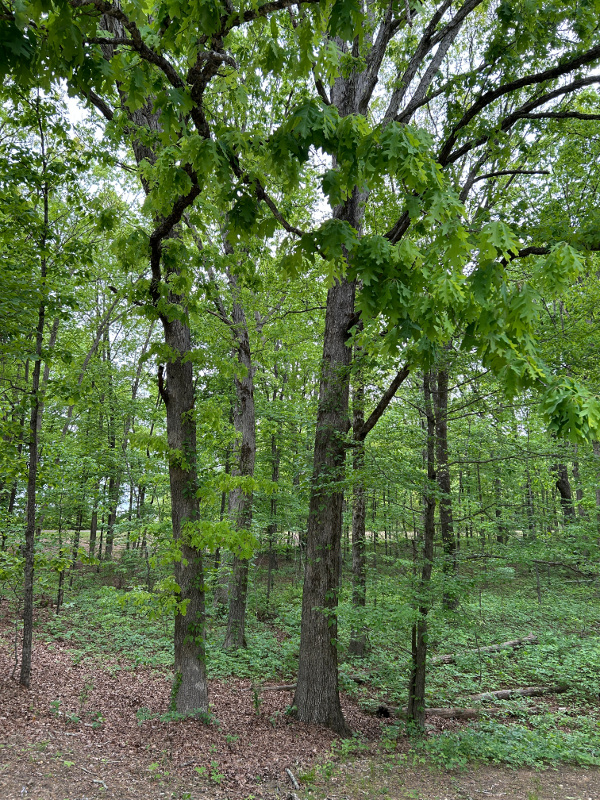
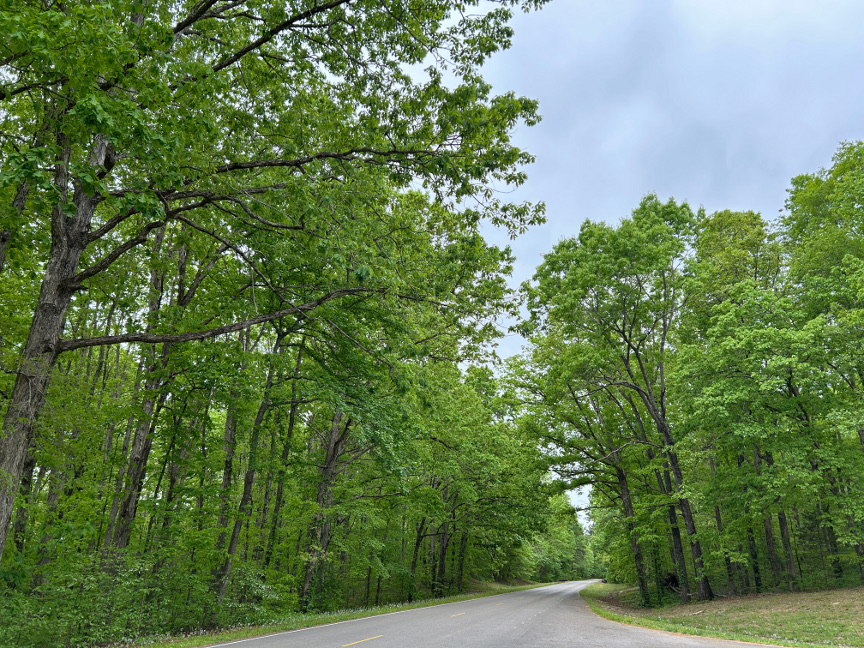
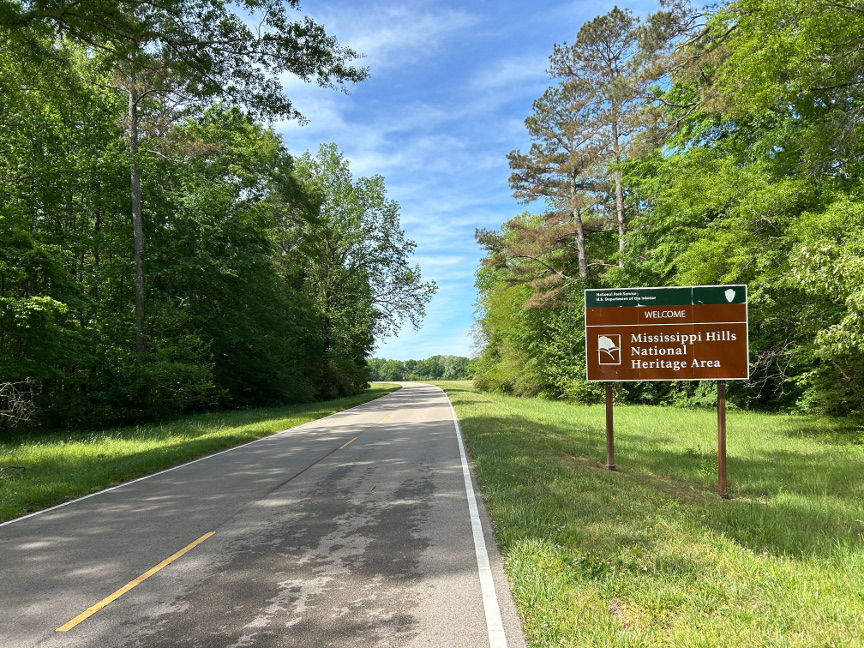
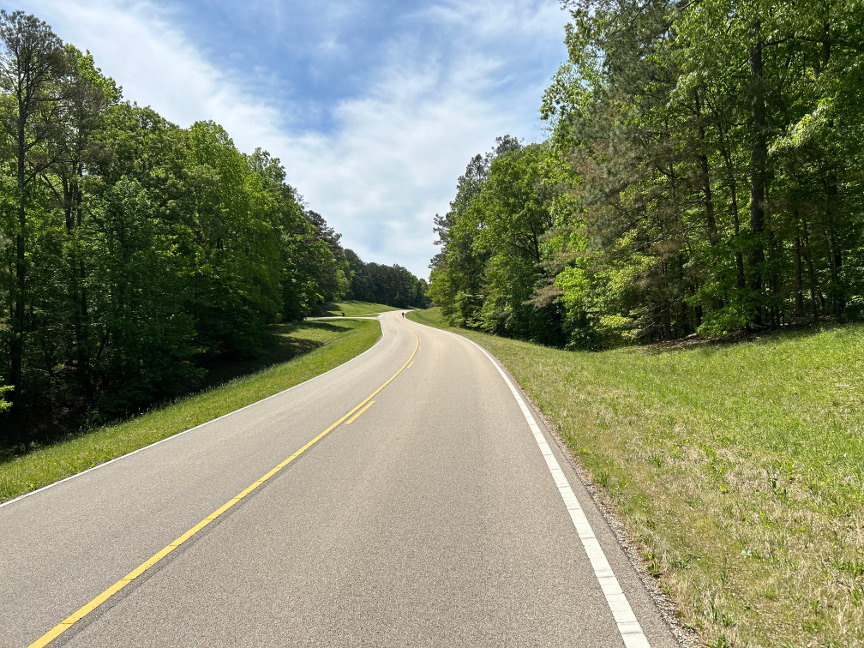
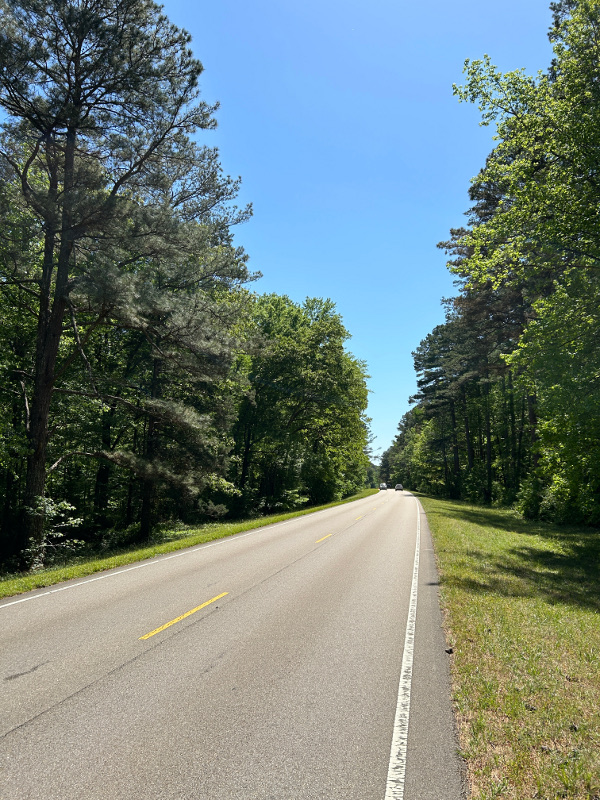
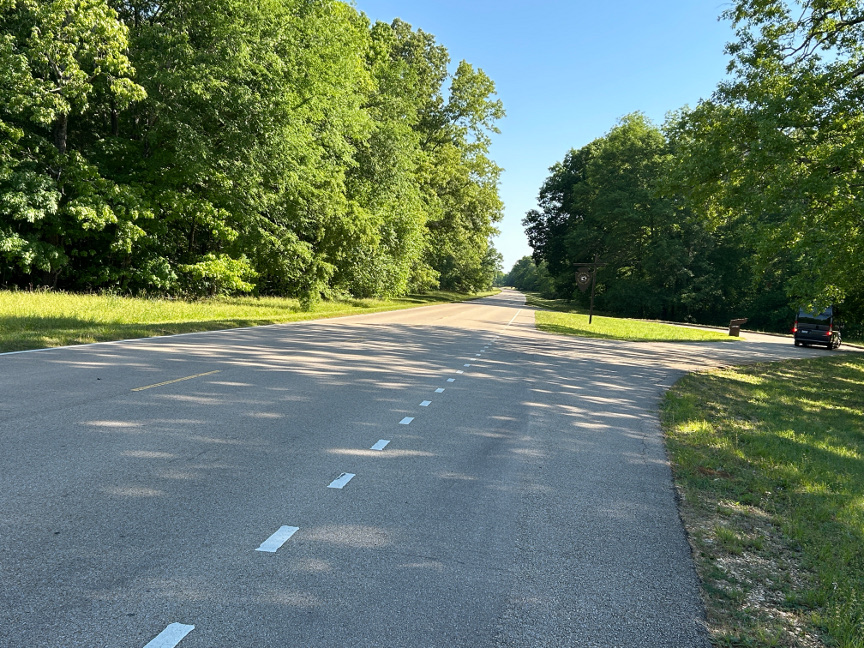
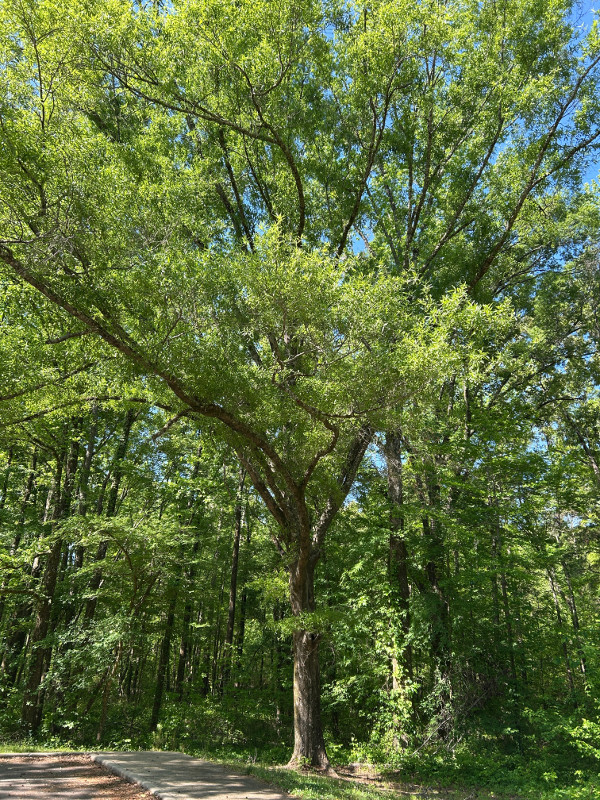
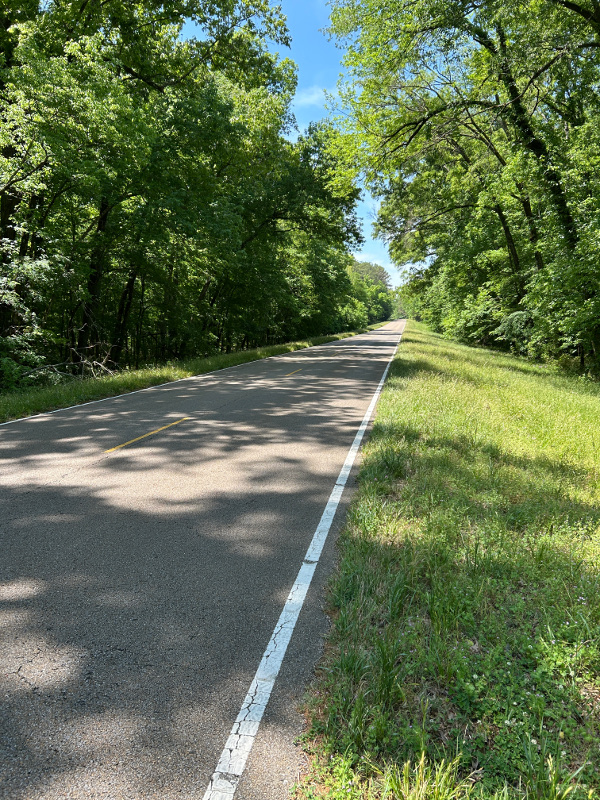
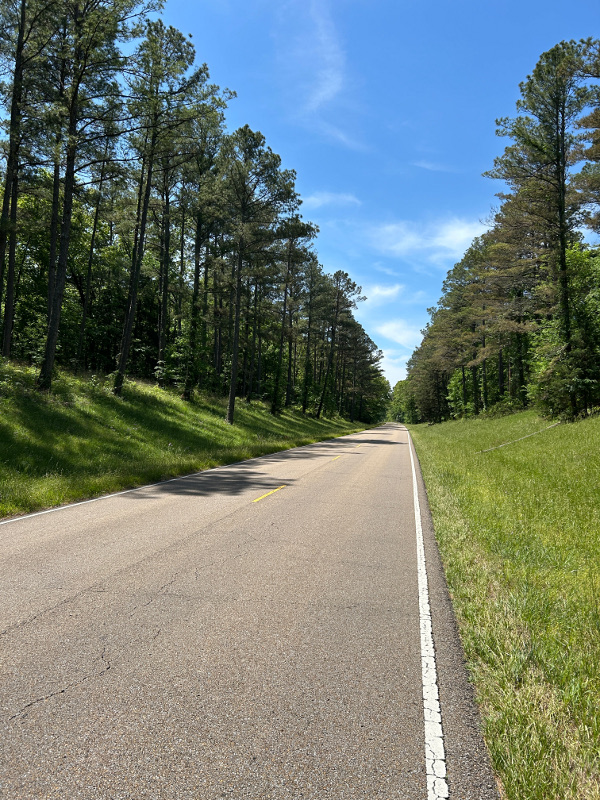
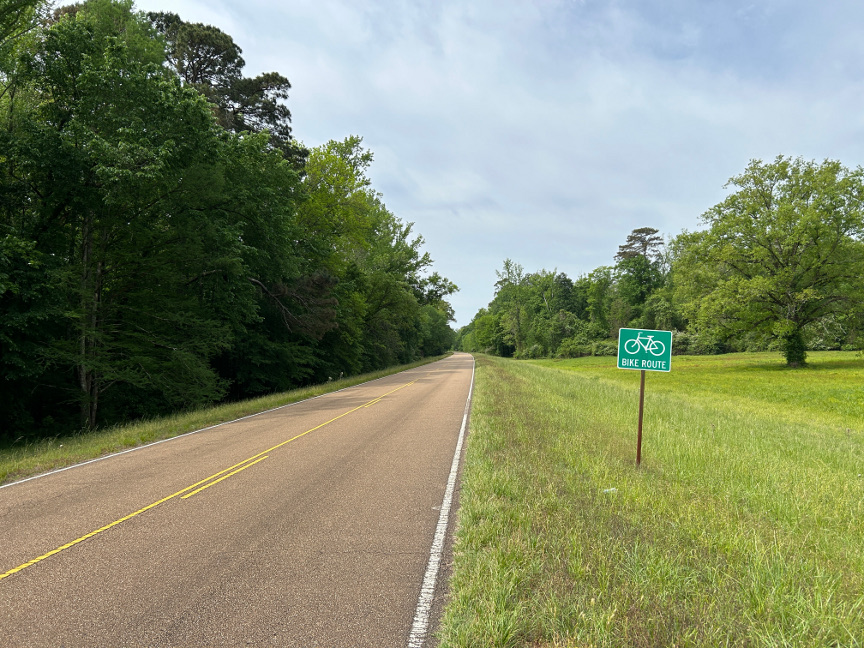
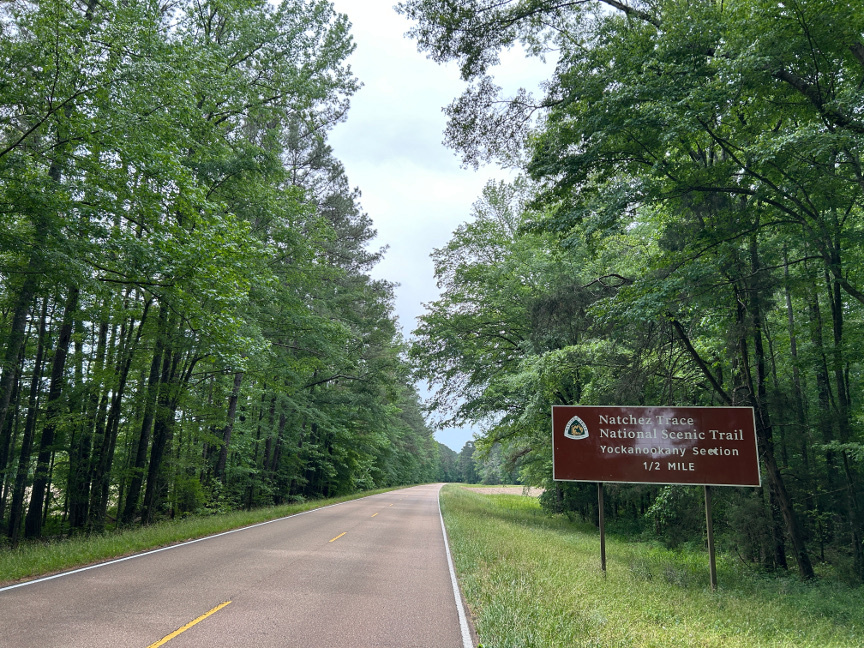
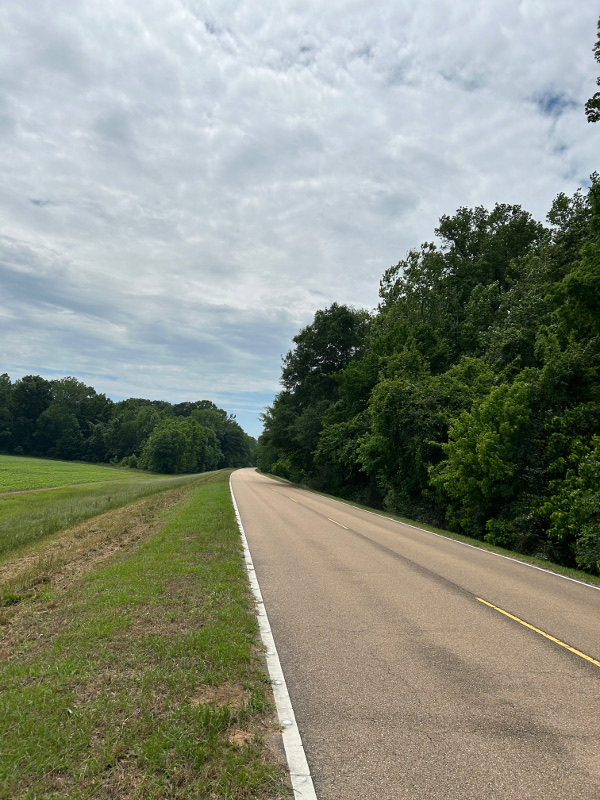
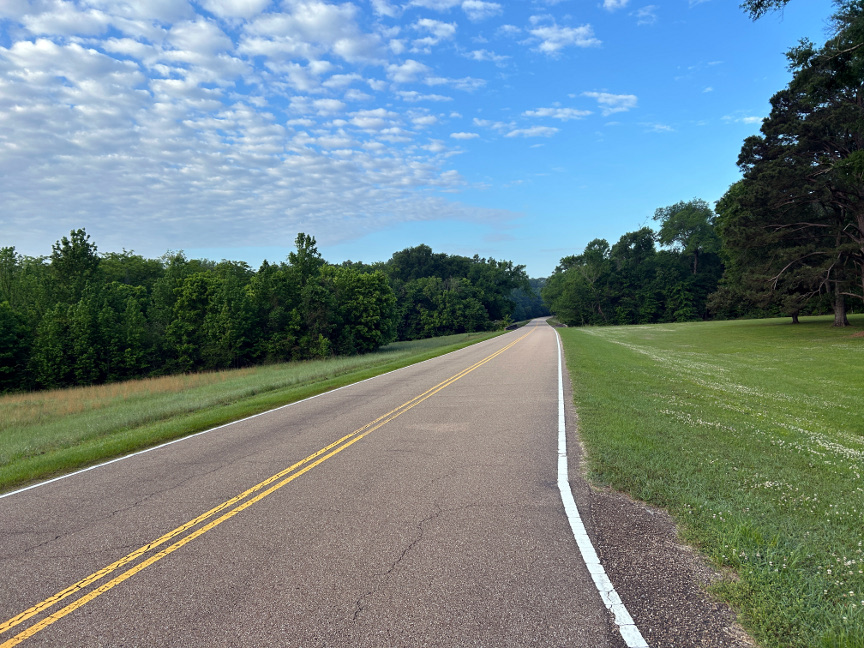
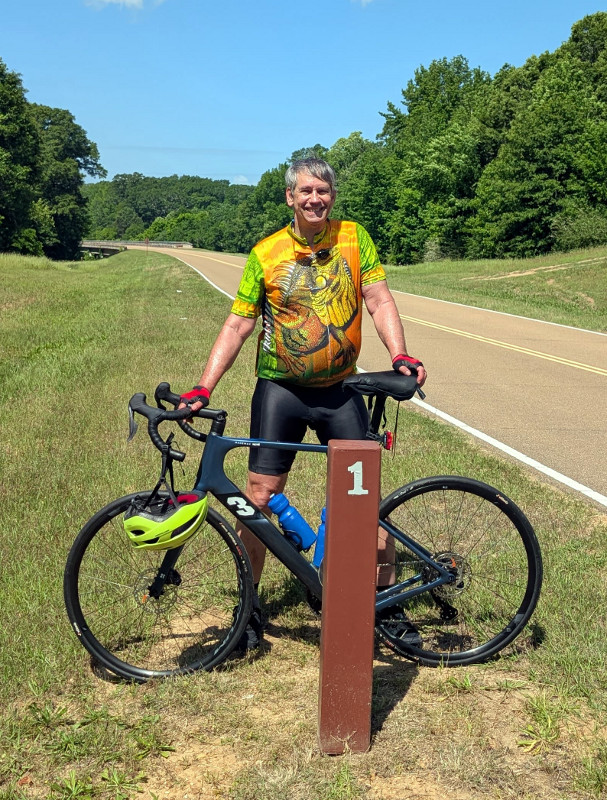
I joined a guided tour by Cycle of Life Adventures to ride 440 miles on the Natchez Trace. There were just three other participants who signed up to do the ride, but the tour continued nevertheless. The Natchez Trace stretches from Nashville, Tennessee down to Natchez, Mississippi. It was a historical road used by many settlers until the invention of the steamboat. Now the route is preserved by the National Park Service. The road is in excellent shape with minimal traffic. There are only a few intersections, so the Trace is not conducive to commuting or cargo transport (I think heavy trucks are banned). One of the Trace's attractive features is that it is mostly flat; the hills that I encountered were not long and gently graded. The cycling conditions are great, but the scenery is not so fantastic. Although the Natchez Trace is a Scenic Byway, mostly what a visitor sees is mile after mile of tree-lined roadway.
Sunday April 12 2026 |
Monday April 13 2026 |
Tuesday April 14 2026 |
Wednesday April 15 2026 |
Thursday April 16 2026Leave Cleveland 12:55 PM land in Nashville at 1:30 PM Get picked up at Nashville airport, transfer to Day 0 hotel |
Friday April 17 2026Ride 62 miles to Hohenwald, Tennessee |
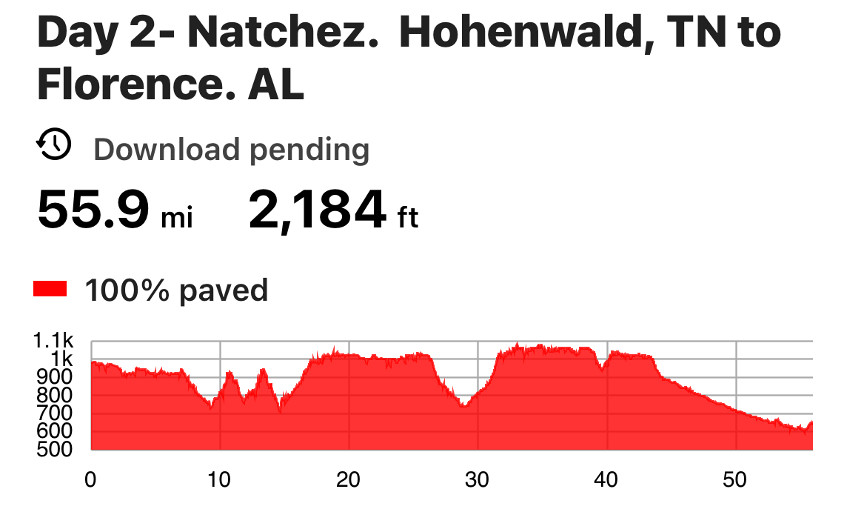
Saturday April 18 2026Ride 66 miles to Florence, Alabama |
Sunday April 19 2026Ride 80 miles to Tupelo, Mississippi |
Monday April 20 2026Ride 86 miles to French Camp, Mississippi |
Tuesday April 21 2026Ride 80 miles to Ridgeland, Mississippi |
Wednesday April 22 2026Ride 76 miles to Port Gibson, Mississippi |
Thursday April 23 2026Ride 37 miles to Natchez, Mississippi Leave Jackson at 5:11 PM fly to Atlanta, landing at 7:33 PM Leave Atlanta at 9:25 PM fly to Seattle, landing at 11:58 PM |
Friday April 24 2026 |
Saturday April 25 2026 |
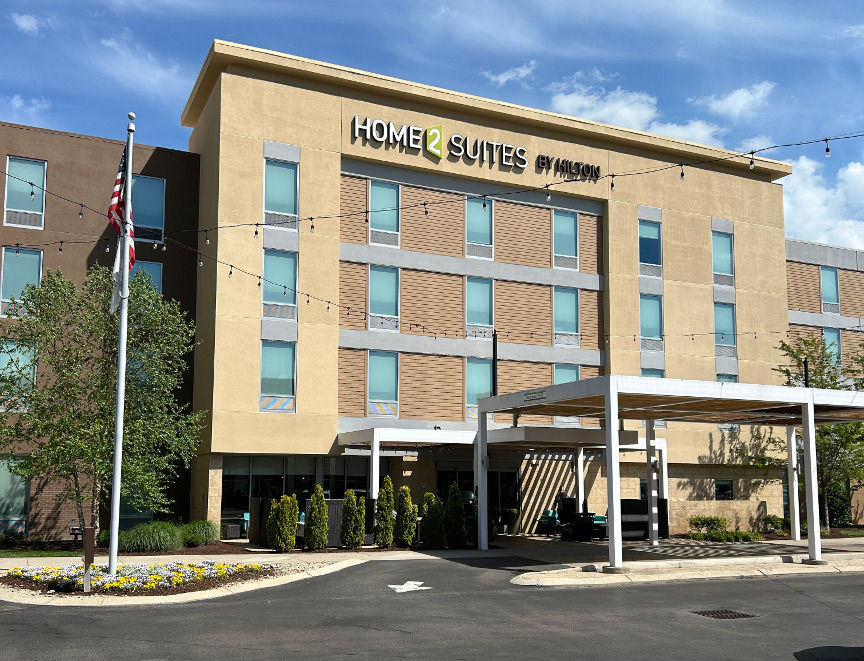
After a week of visiting friends and relatives in Cleveland, I flew down to Nashville for the start of the Natchez Trace bike ride. One of the tour guides
picked me up at the airport. He told me that I was lucky to arrive when I did, because he heard on the radio that the Nashville airport had to temporarily shut down due to a lack of air traffic
controllers. My plane had landed just in time.
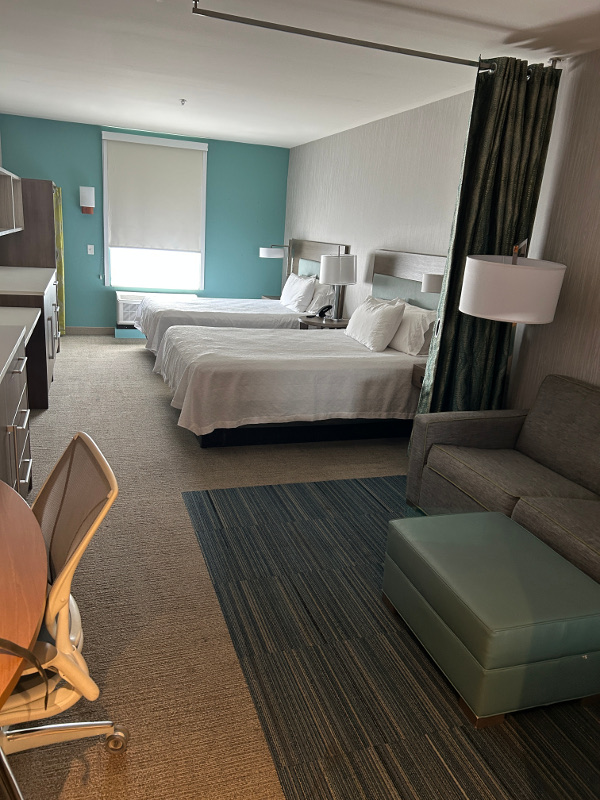
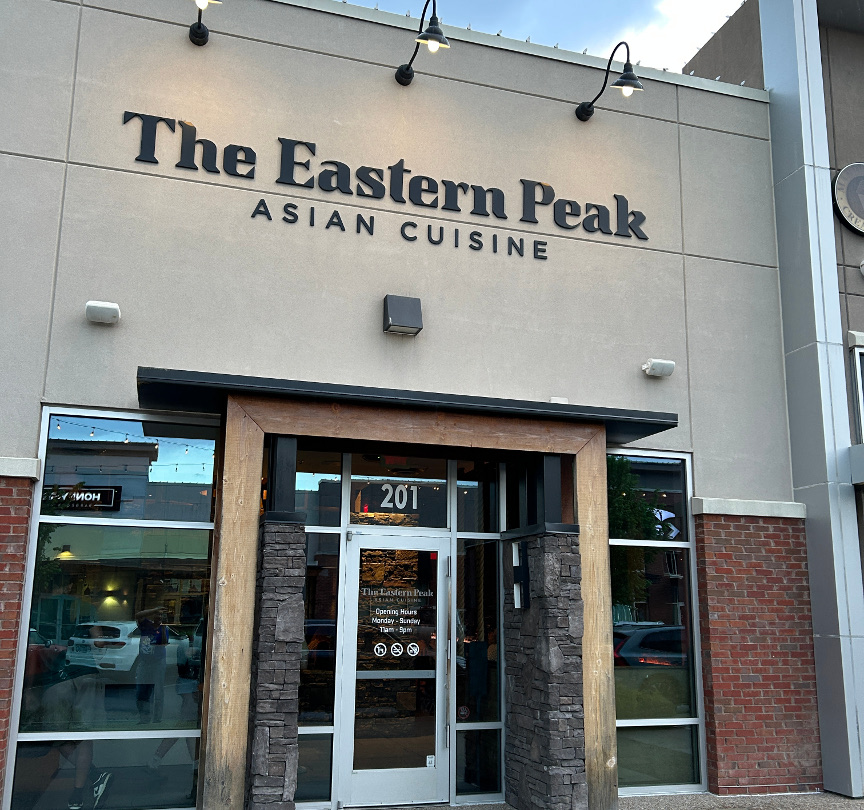
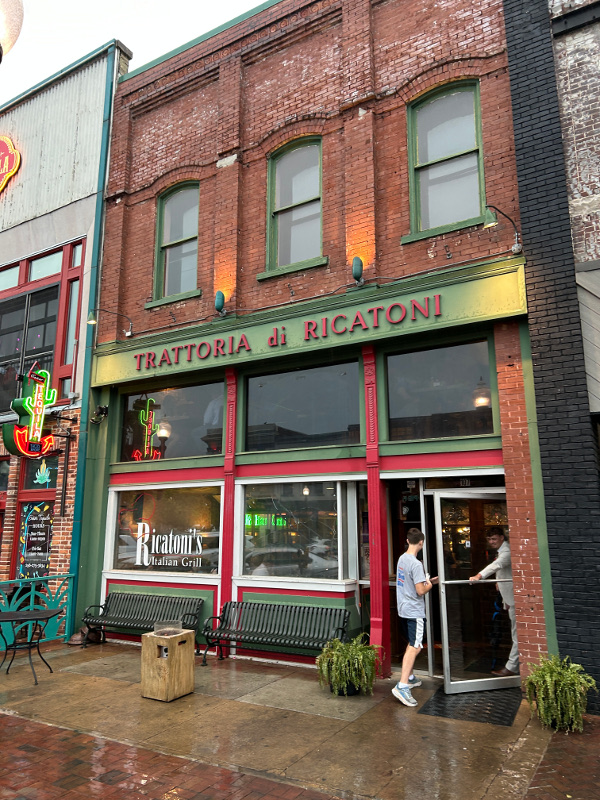
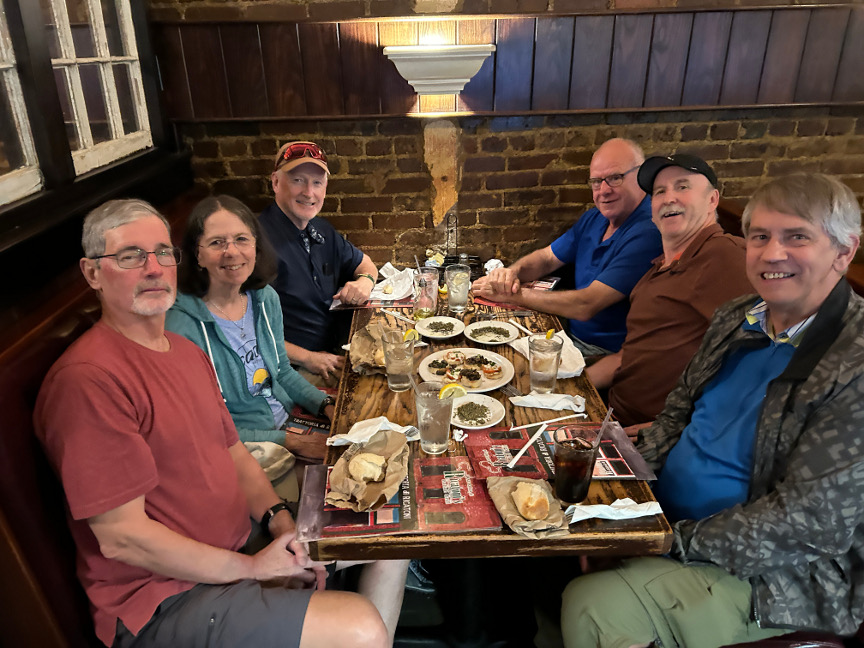
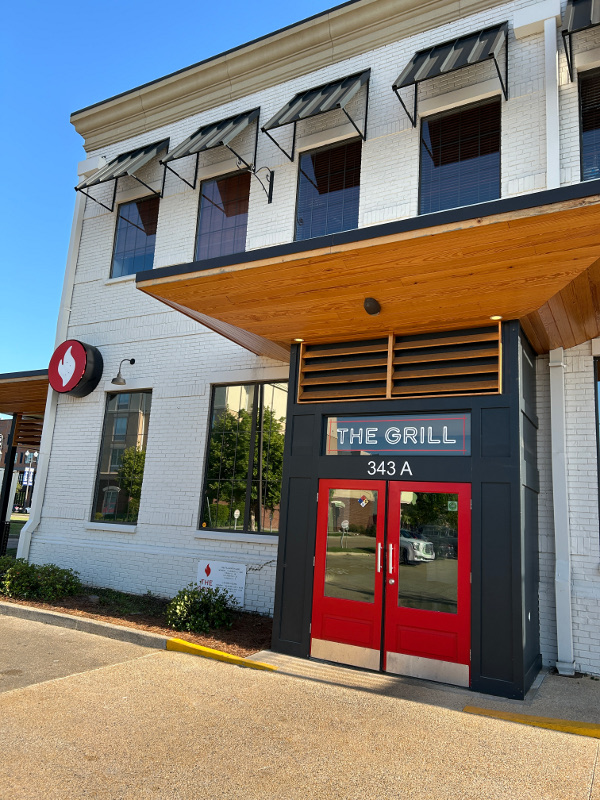
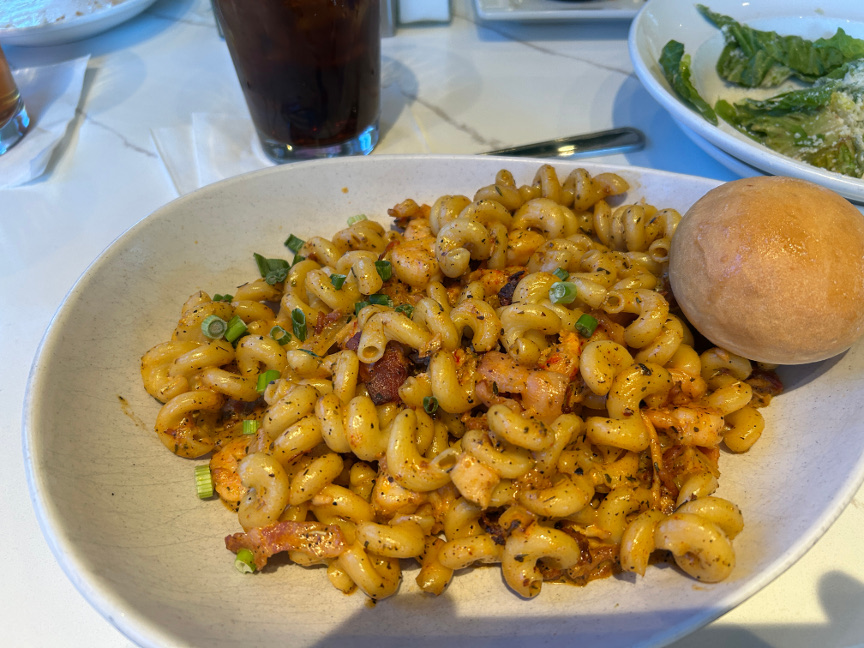
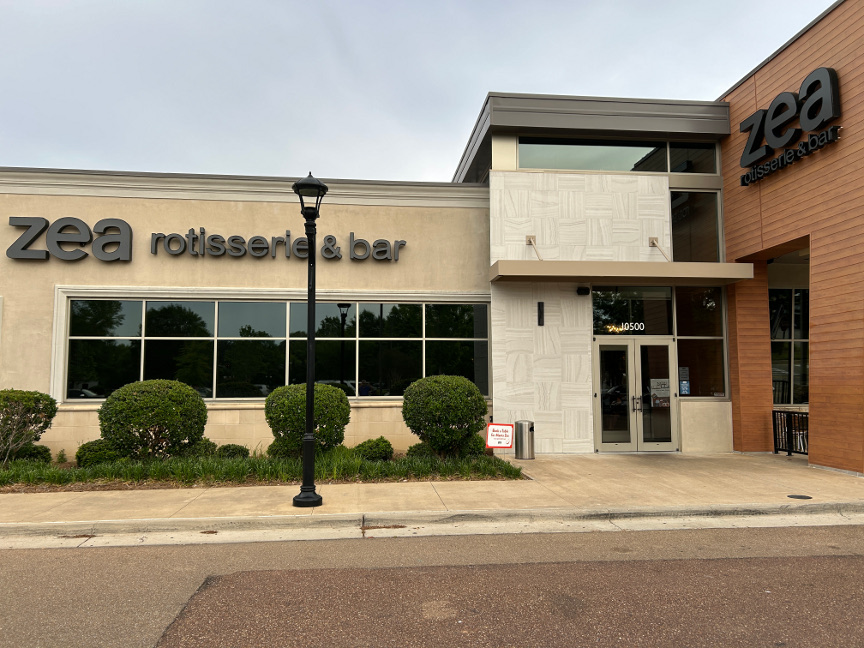
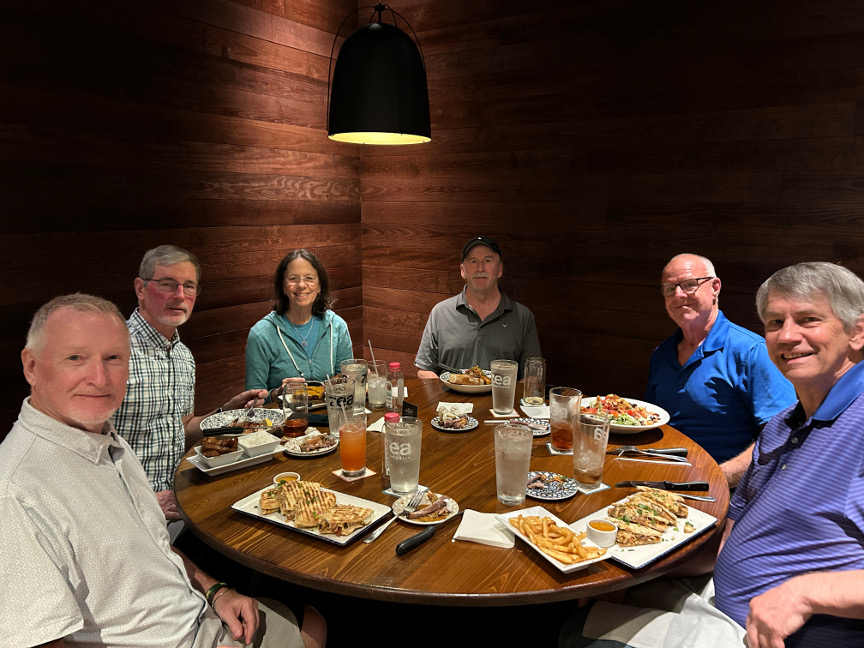
There were only three other cyclists signed up for the tour. We held an orientation meeting in the hotel lobby. Then we walked over to a restaurant for a
welcome dinner. The other riders seemed like avid cyclists - Barry and Betsy said they ride six to seven thousand miles a year, while Rohan said he was riding his bike every day. I hadn't done any
training at all due to the cold, wet spring we experienced in Seattle.
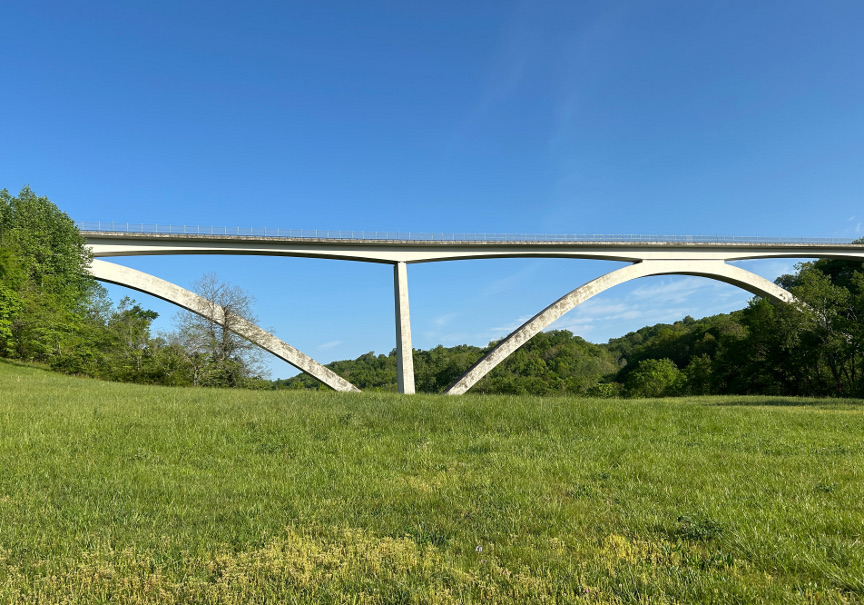
We could not begin at the official start of the Natchez Trace in Nashville because the Double Arch Bridge was closed due to construction.
(They were building suicide prevention barriers along the bridge deck to prevent distraught people from leaping off.) So the tour guides drove us to a starting point 5 miles from the official start -
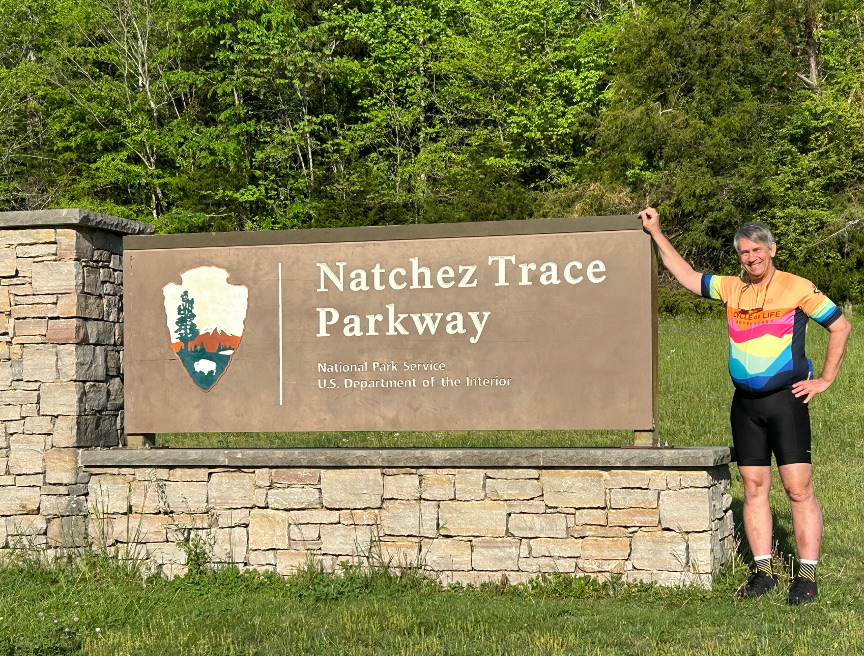
we rode onto the Trace just past the Double Arch Bridge; we could see the bridge looming above us when we exited the van. The Natchez Trace road has no shoulders, but cycling safety isn't an issue since there is so little traffic. The drivers all moved into the oncoming lane to pass
bicyclists (there are signs instructing them to do this). Only once on this multi-day ride did someone pass uncomfortably close to my bike and I think that was a deliberate act of foolishness.
In Cleveland (which I had just come from), the trees were still budding as spring advanced, but in Tennessee the trees were in full leaf already.
Our tour rode south on the Trace, which meant we got a constant headwind coming up from the Gulf of Mexico. At the end of this ride, I left feedback to Cycle of Life Adventures
suggesting that they reverse the direction and do this tour as a South to North ride (so that riders would have a constant tailwind instead) and the answer seemed to be that they like the stops when headed southbound.
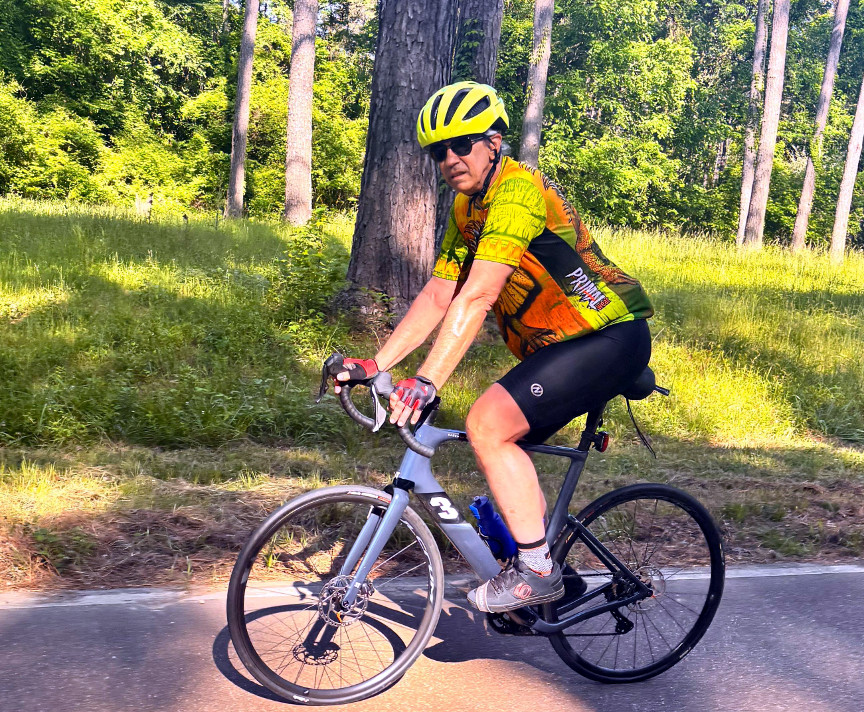
Fortunately, the head winds were not punishing. My rental bike was a nice machine. However, it had electronic shifters (instead of mechanical gear shifts) and apparently the shift will not happen if the chain is
under too much torque. I did not know this. At the base of hill, I tried downshifting the front chain ring, but nothing happened. I tried shifting again and again - but finally the chain shifted off of
the gears and got wedged between the frame and the chain ring. It was stuck in there so tightly that I could not extract it and was forced to text the SAG (Support And Gear) wagon for help. Not even the guide could
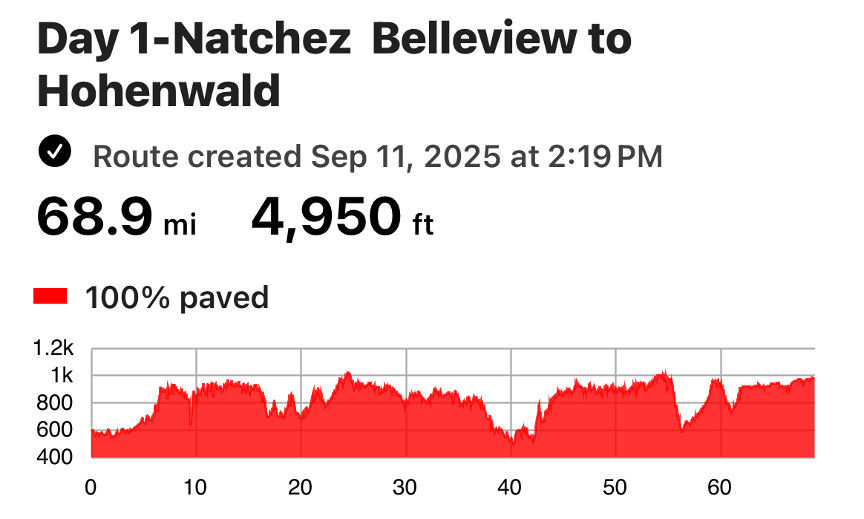
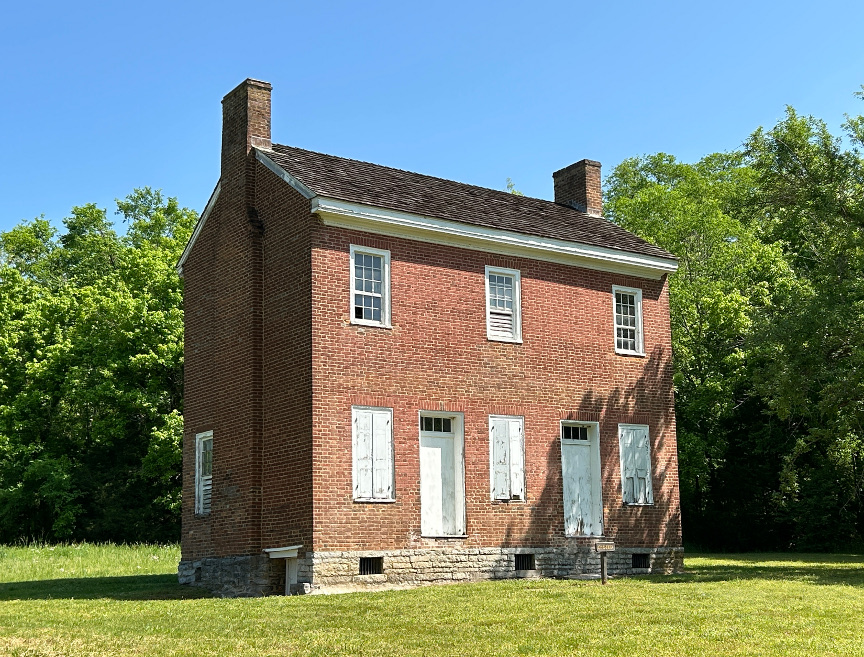
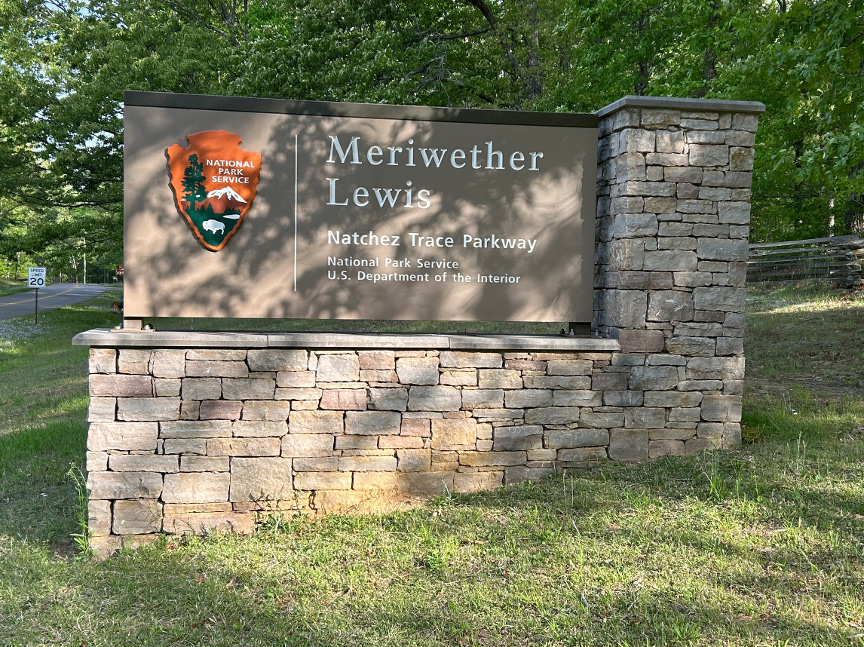
free the chain. I ended up getting a ride into Hohenwald - I missed the final seven miles, so my total was only 45 miles for the first day. The guides had to break my bike chain to extract it from its wedged condition, and discovered that it was hopelessly twisted. A new chain was installed and I was good to go for the next day. Hohenwald, Tennessee is where Meriwether Lewis (of Lewis & Clark Expedition fame) retired and died. Lewis suffered from depression and it is thought he committed suicide.
Hohenwald is German for High Forest (the area was settled by German immigrants). There is an elephant sanctuary in town, but it is closed to visitors - elephants are shy and
don't like crowds of humans. The sanctuary takes in elephants from circuses and zoos that no longer want their elephants any more.
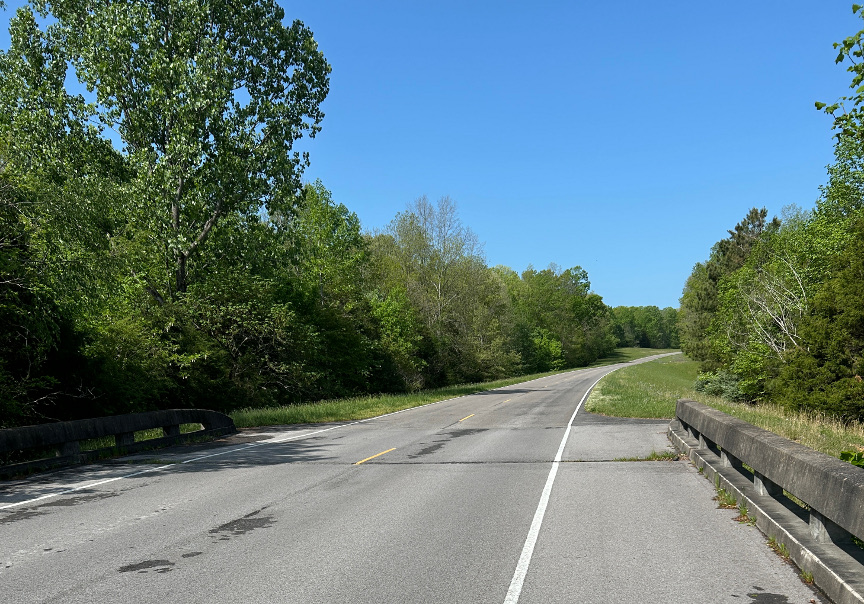
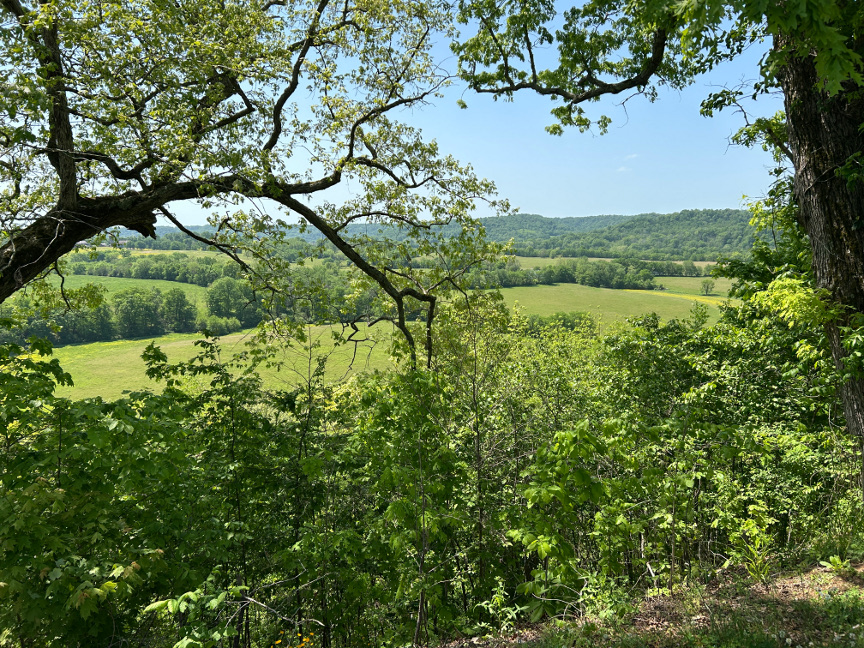
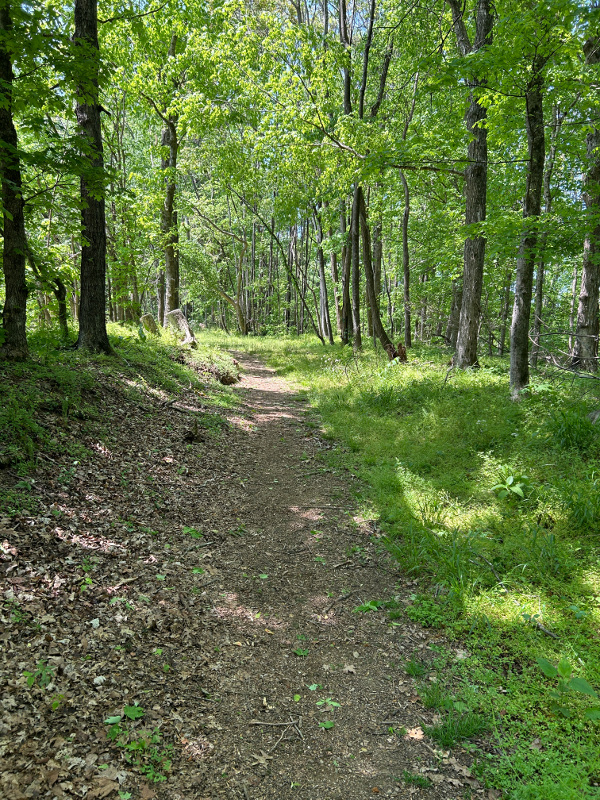
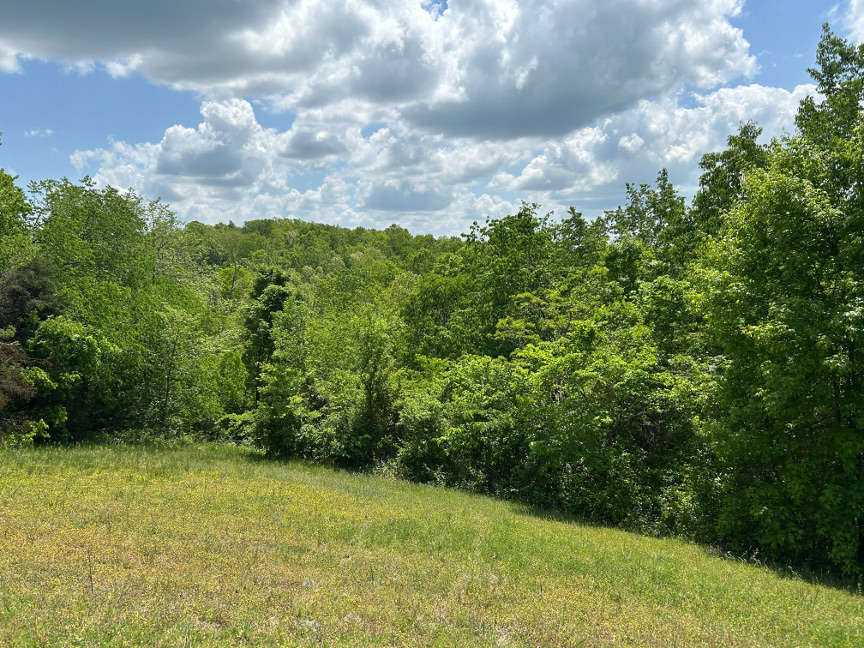
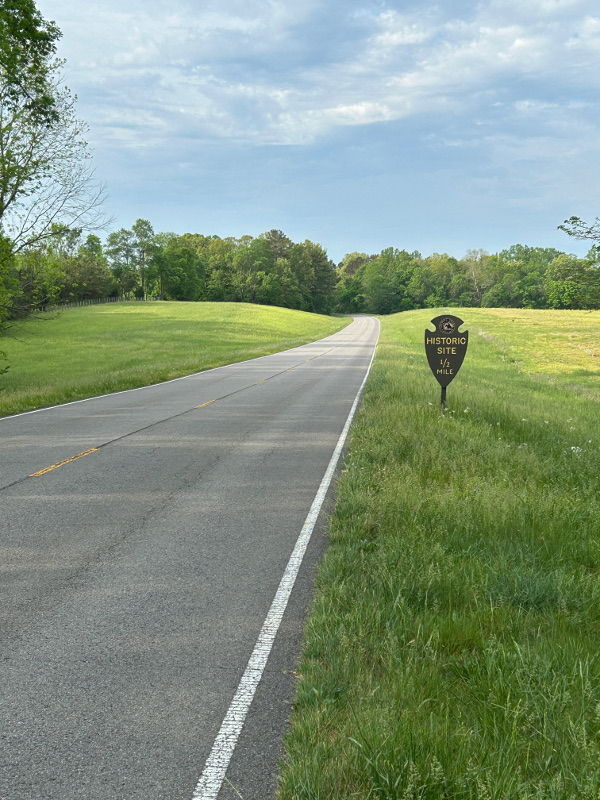
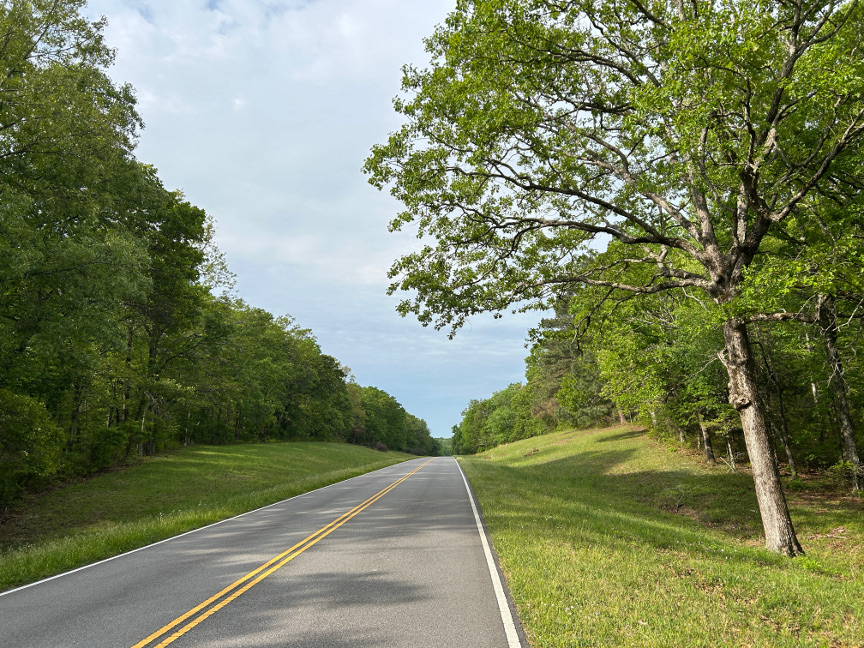
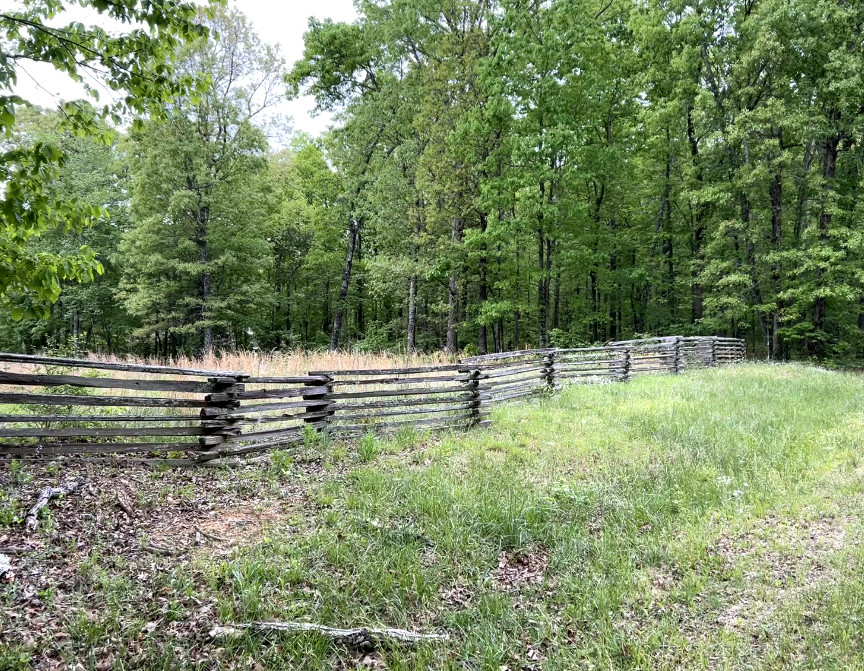
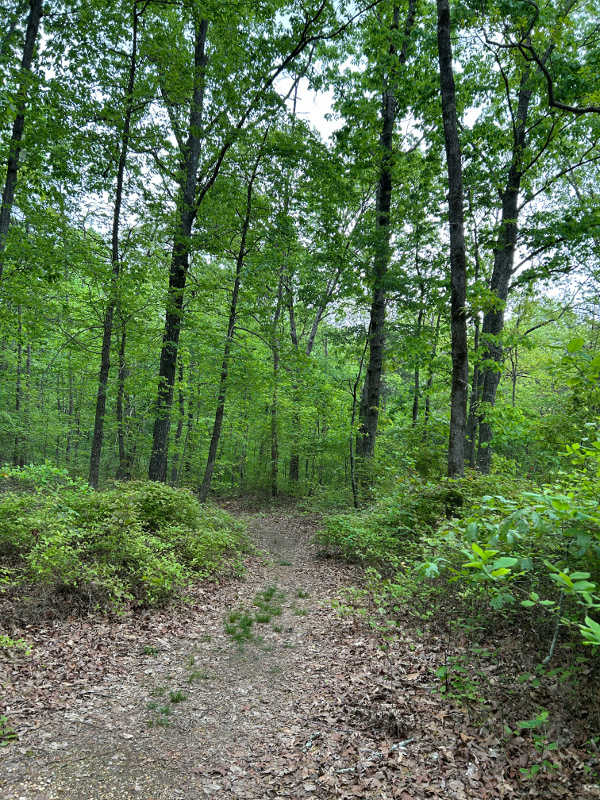
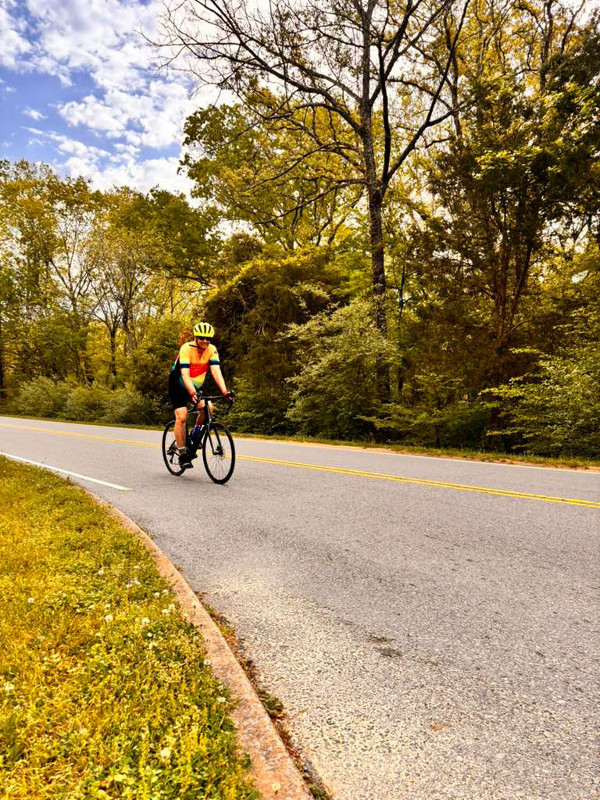
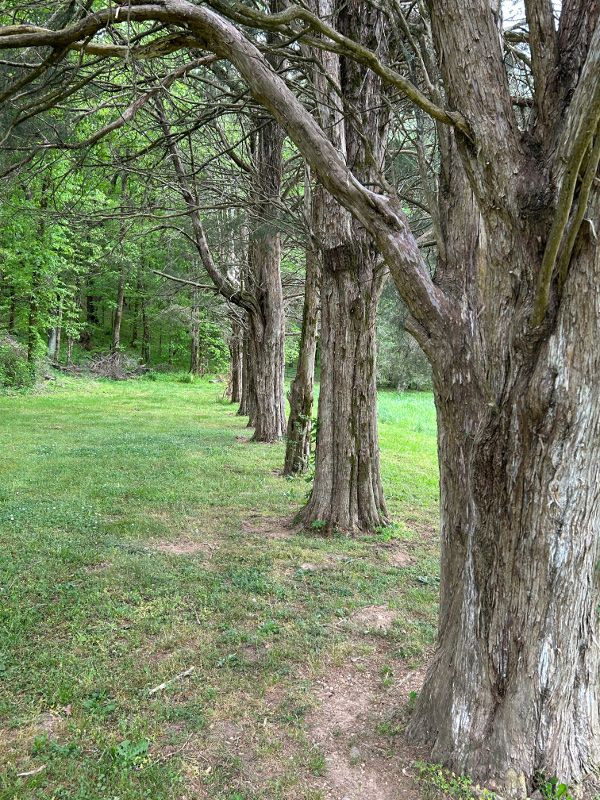
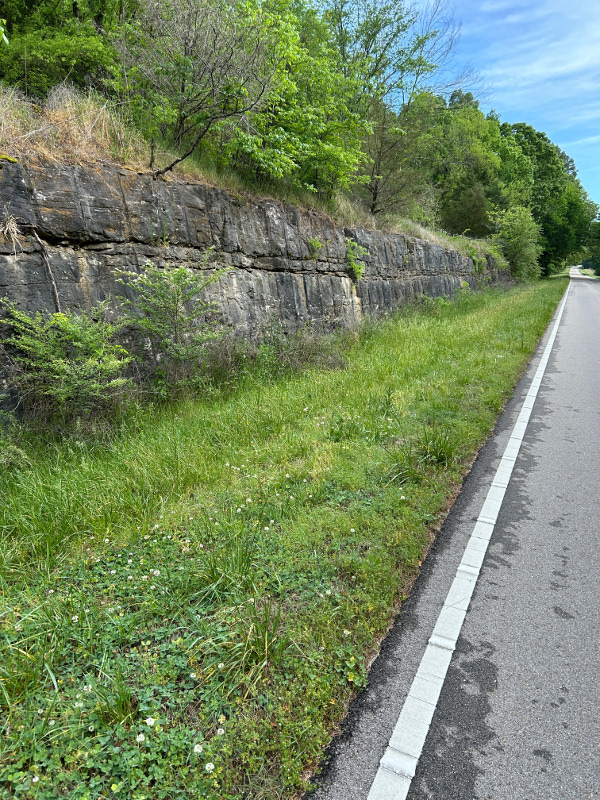
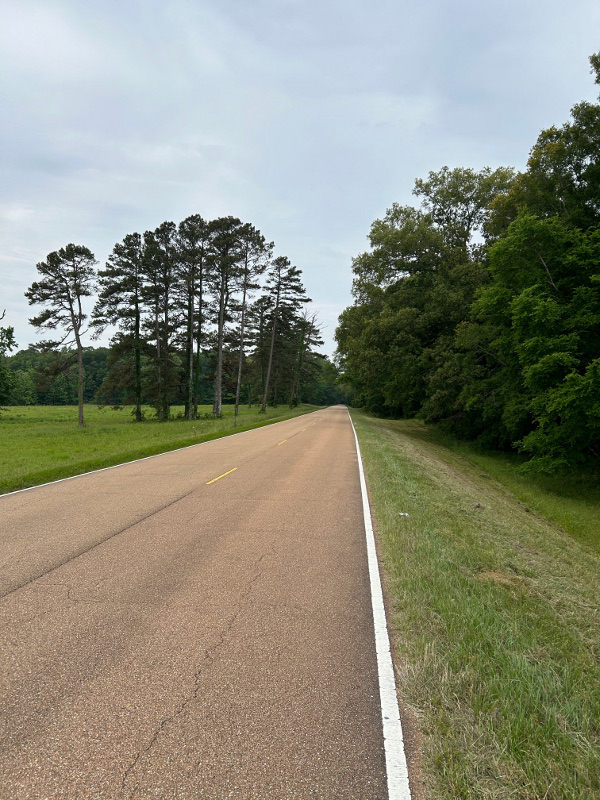
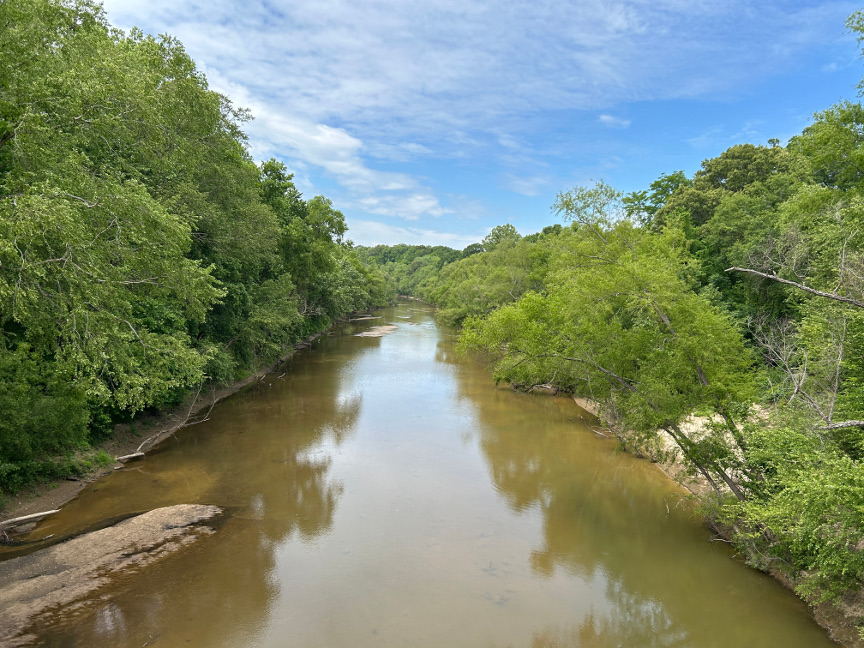
The Nachez Trace is a National Scenic Highway, but there really isn't much to see. Trees line the road for miles and miles.
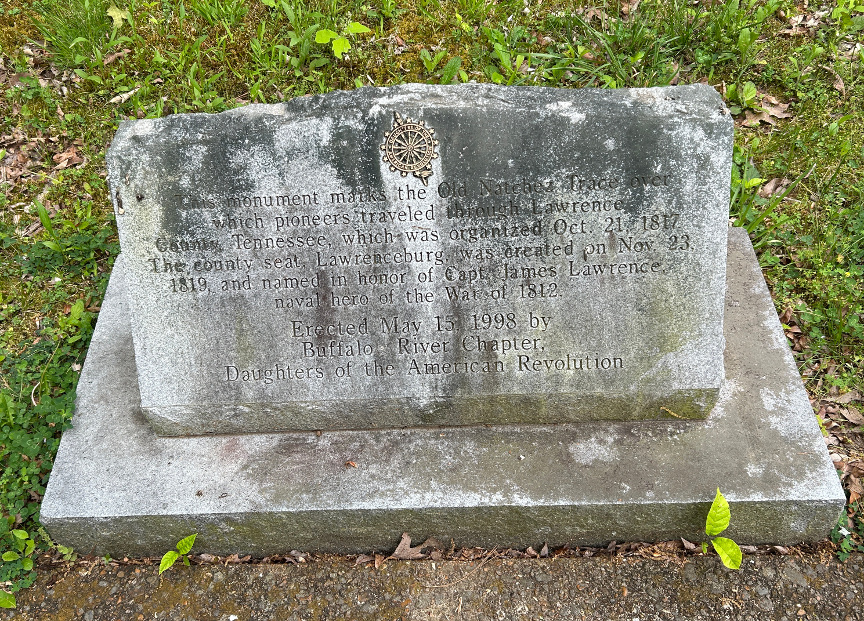
They should designate it as a National Historic Highway (assuming that there is such a thing). I tried stopping at many of the historical markers, but skipped some
of them because the other riders were always well ahead of me and I didn't want to make them wait too long at the next stopping point.
There was more traffic on the road (but still not a lot) this day, perhaps because it was a weekend. We exited the Natchez Trace for a couple hundred yards in order to eat lunch at the Collingwood (a small town in Tennesee) Welcome Center.
It was on that short detour from the Natchez that I rode through my first two stop signs encountered during this bike ride. The stop signs were in town, not on the Trace itself.
I don't recall a single stop sign or traffic light on the entire length of the Natchez Trace.
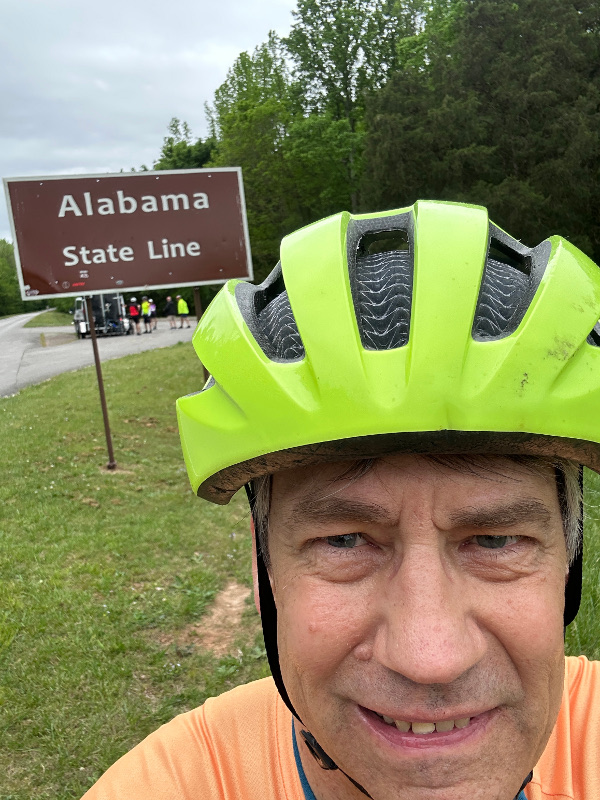
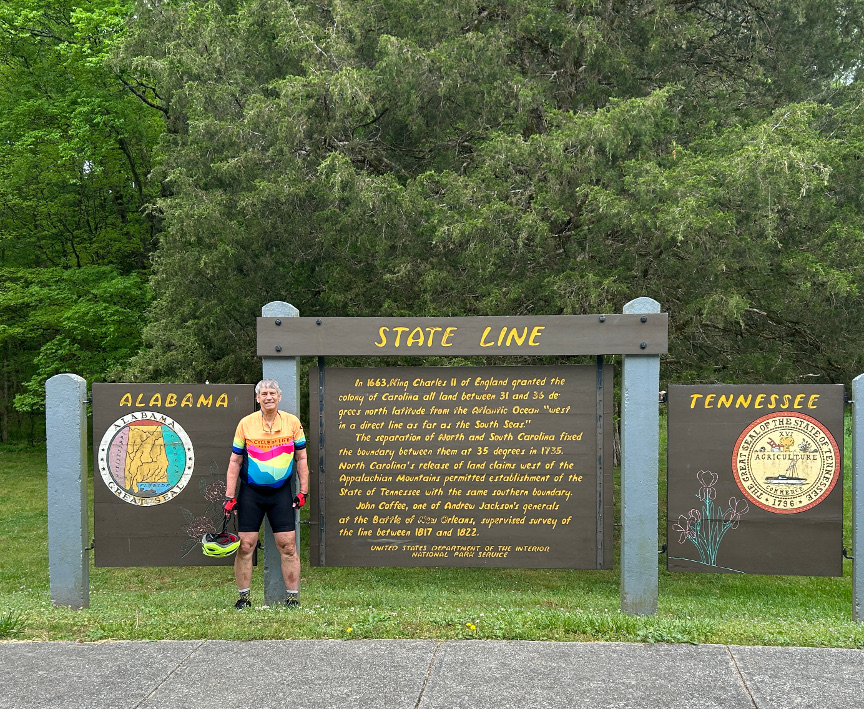
We rode to the Tennessee / Alabama border. This was the first time I had visited the state of Alabama. This bike tour allowed me to see three new states
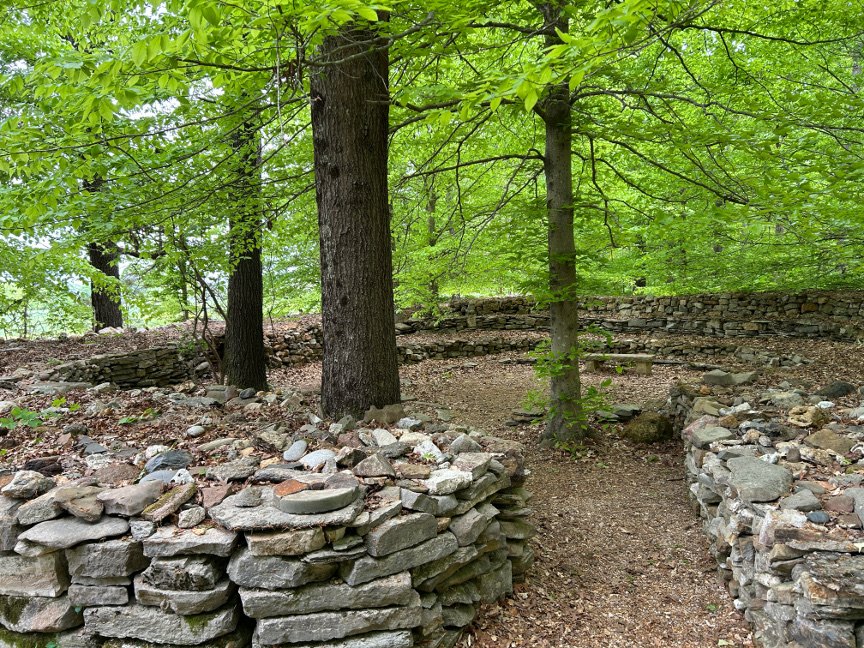
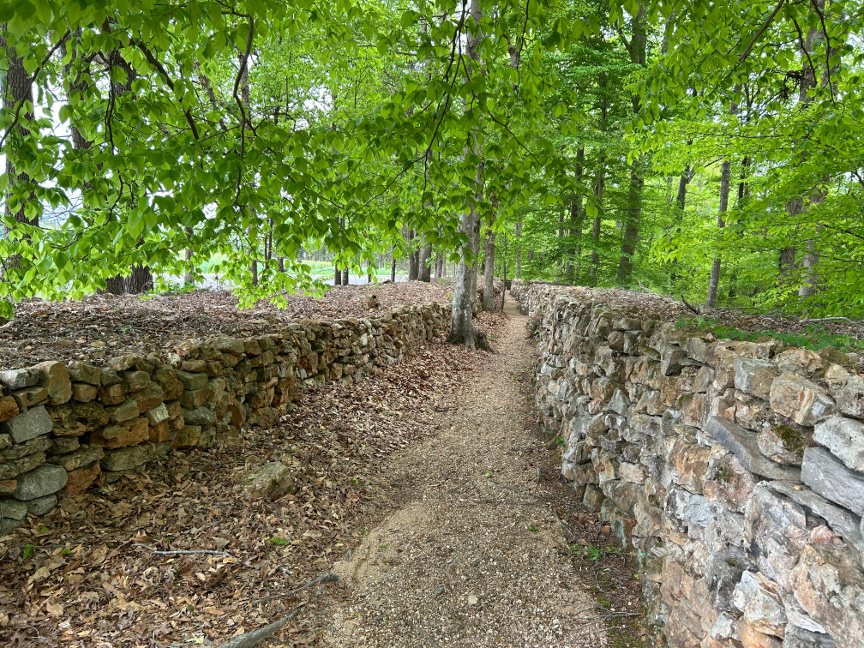
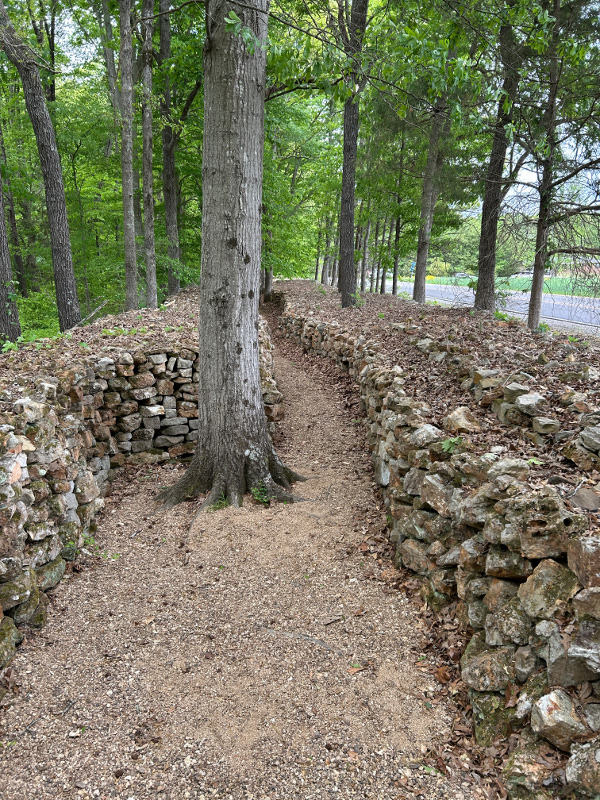
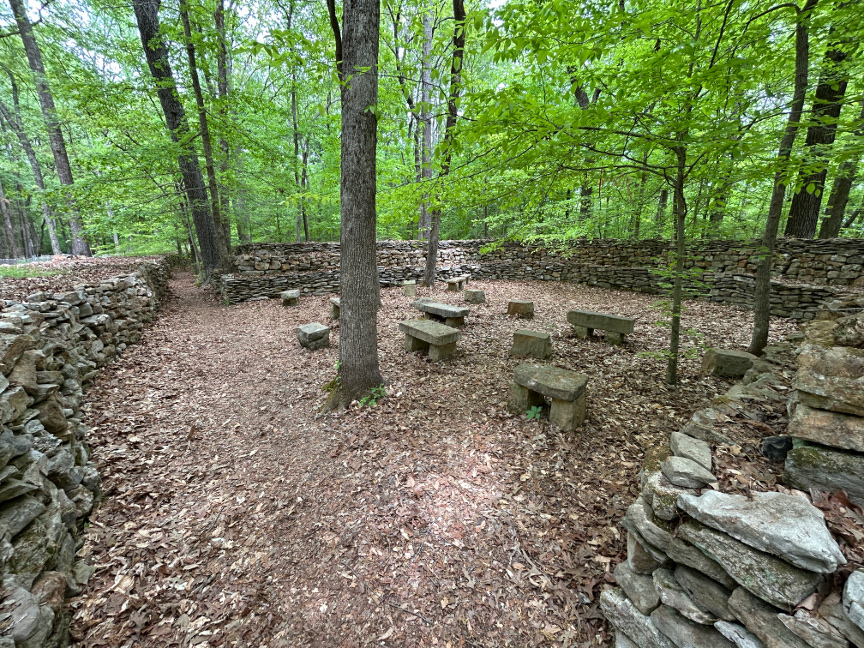
: Tennessee, Alabama and Mississippi are all states that I hadn't visited previously. There are four un-visited states left on my list: Delaware, South Carolina, Arkansas and Louisiana. Just outside of Florence, we saw a tribute wall of stone built by one guy over a span of 30 years. The site is called Te-lah-nay's Wall.
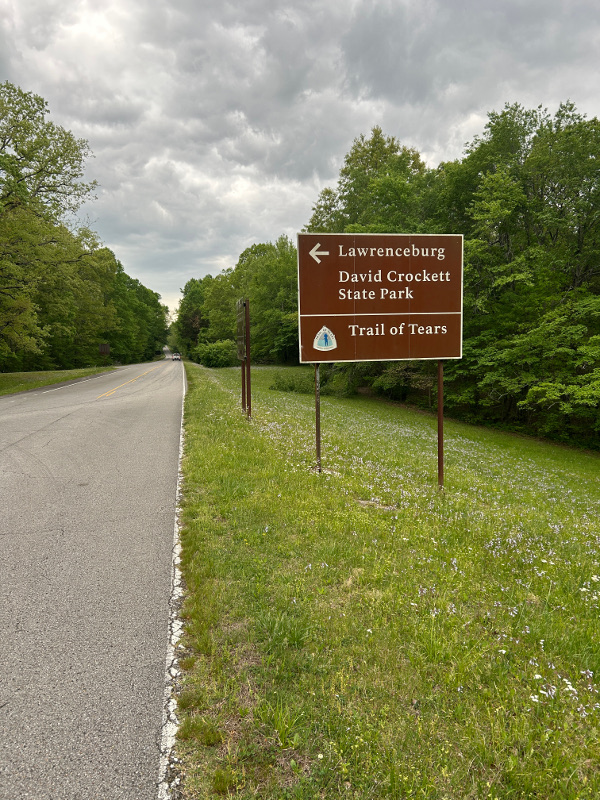
It was built to commemorate his great-great-great grandmother who was sent to Oklahoma as part of the Trail of Tears, but discovered that she was immensely unhappy there.
This woman (despite being a solitary young teenager) walked all the way back to Alabama - It took her several years. The walls are considered the longest unmortared stone wall in USA.
The wall length totals hundreds of yards long, about 4 feet high and 10 to 20 feet wide.
We spent the night in Florence, Alabama. I have now been to a city named Florence in Alabama, Oregon and Italy.
There was a late afternoon thunderstorm. But during our day's ride the most precipitation that I encountered was a light mist, barely enough to put raindrops
on my glasses. I didn't even put on my jacket. We were lucky with the weather this entire trip. It was raining cats and dogs in Nashville that morning, so we were fortunate to have left a day earlier.
Hohenwald was dry when we started.
It was cold this morning at the start, about 45 degrees. I wore my long sleeves and long pants. Eventually, it warmed up, but it never got hot.
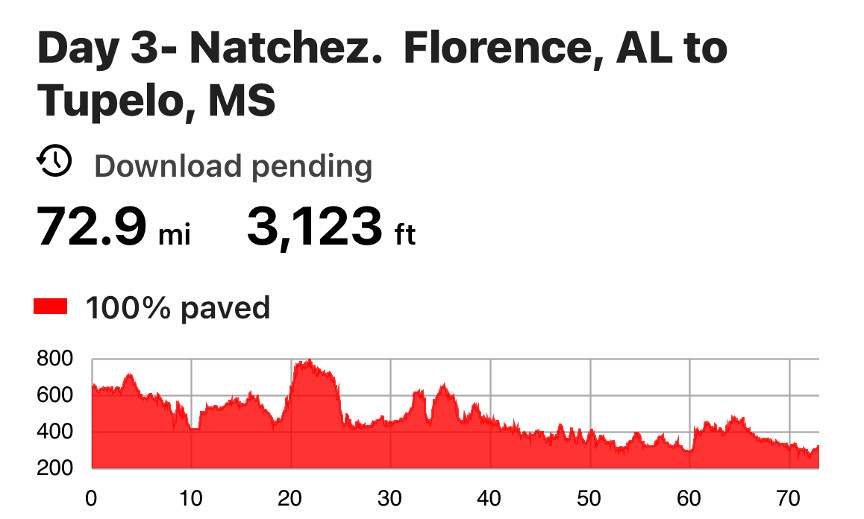
This day's route was 72 miles long with 3160' elevation gain. It was tiring. None of the hills were steep, but we kept going up and down.
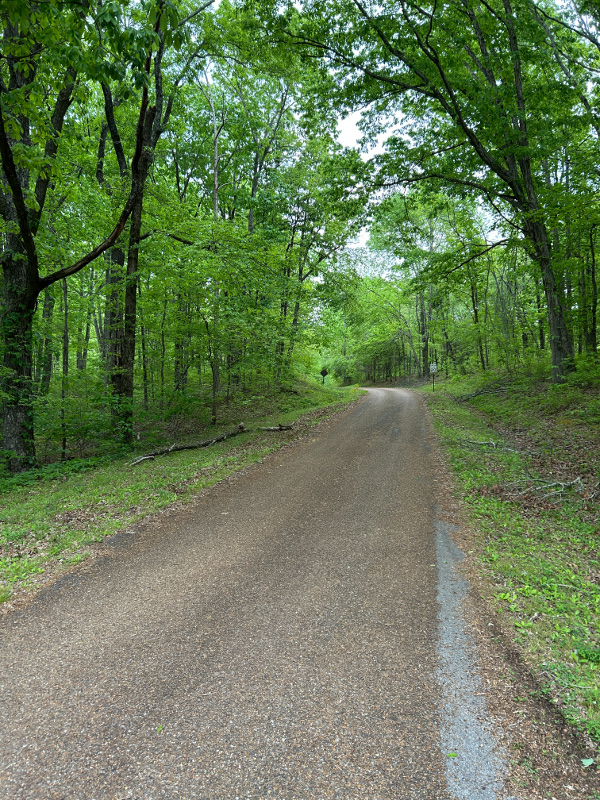
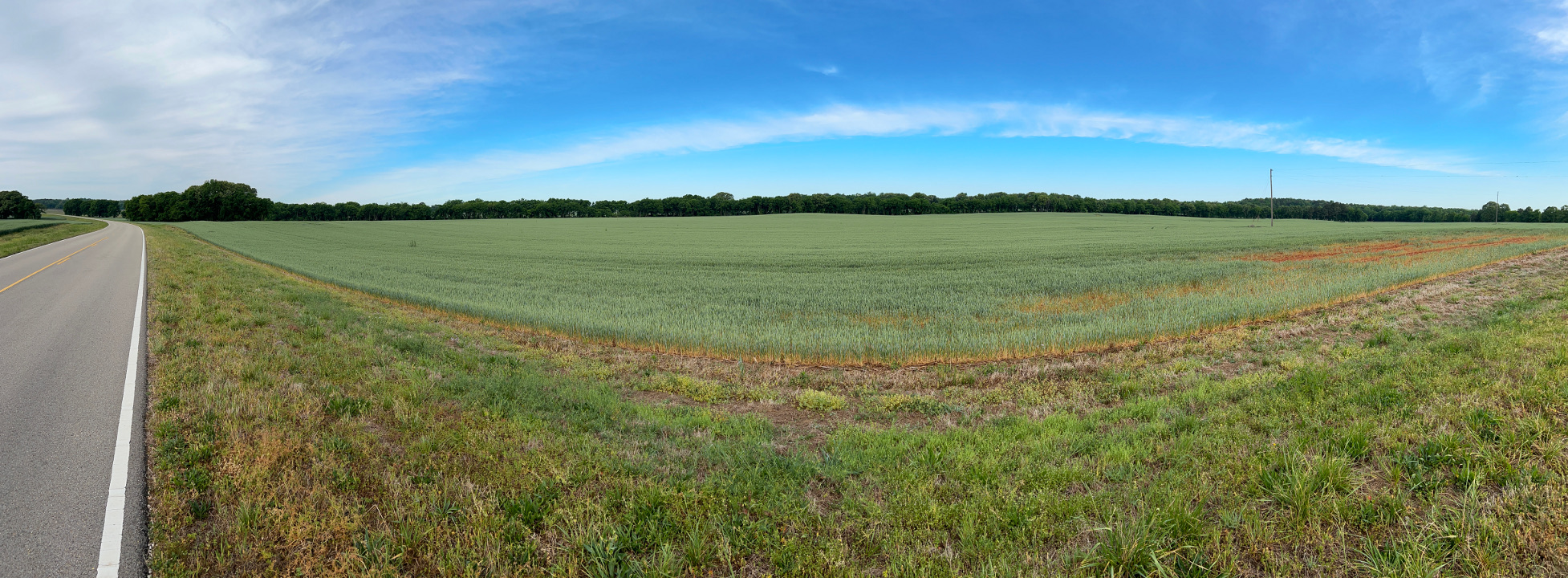
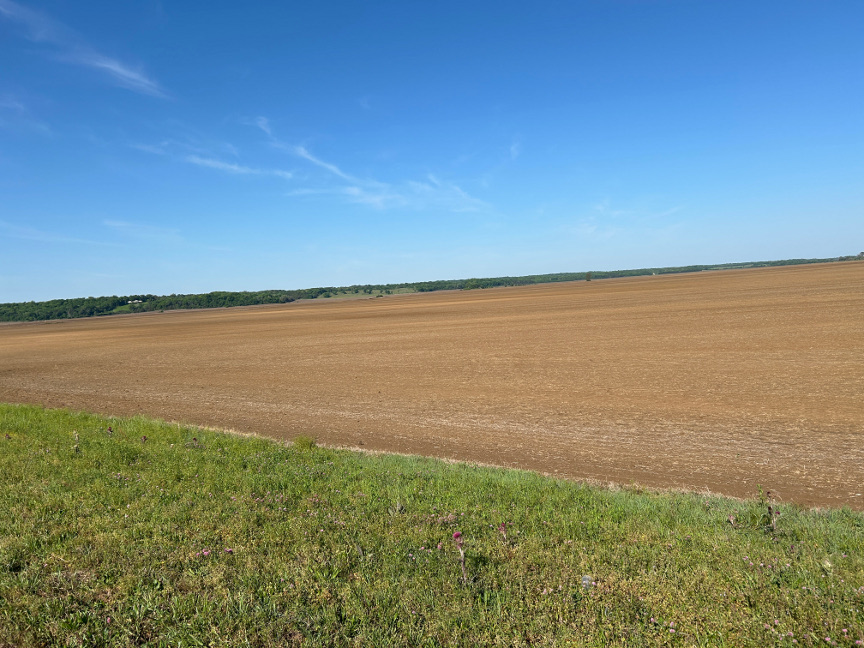
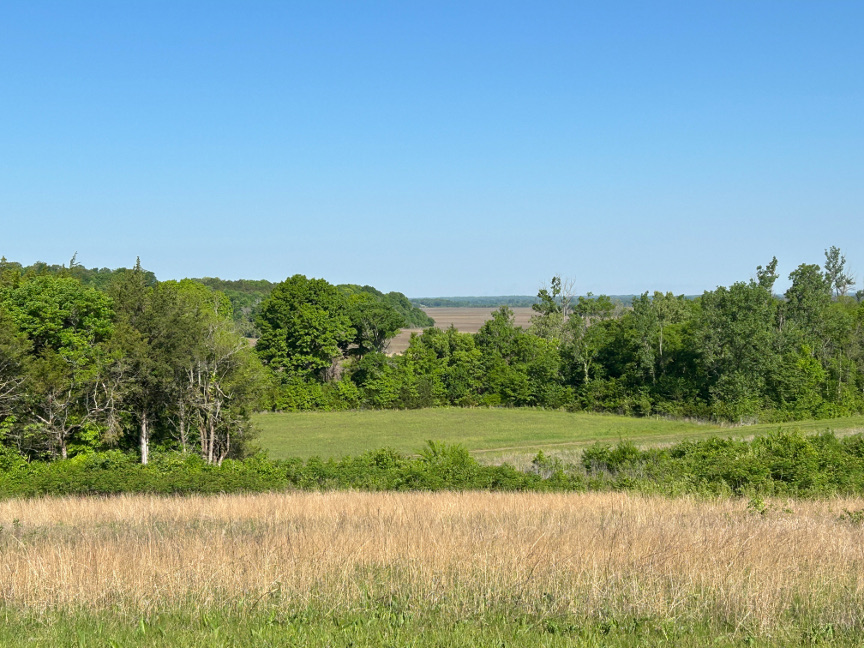
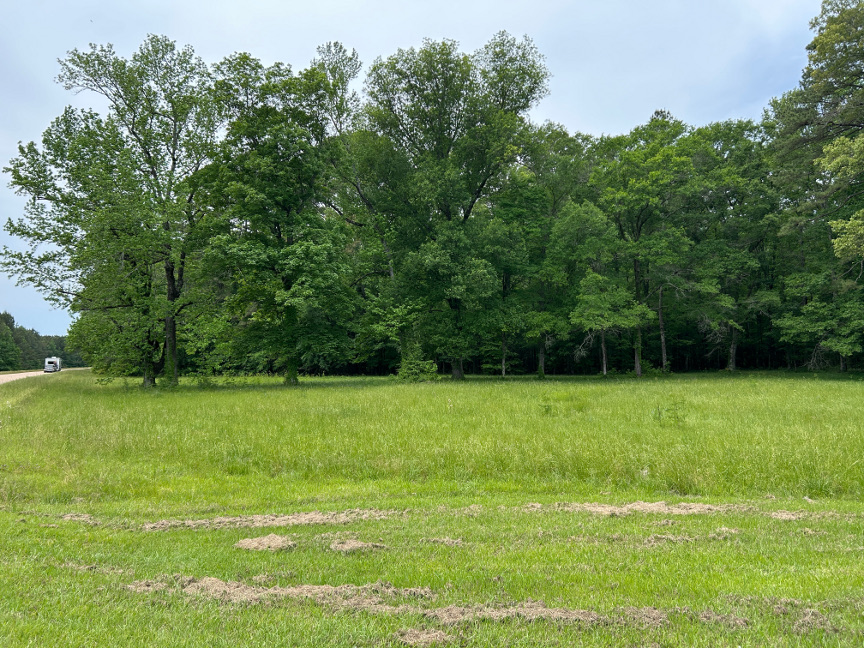
The scenery was getting a bit monotonous. The Natchez Trace is 442 miles of nicely paved road lined with trees. Maybe an arborist would be entranced by all the various types of trees beside the road.
It certainly is green!
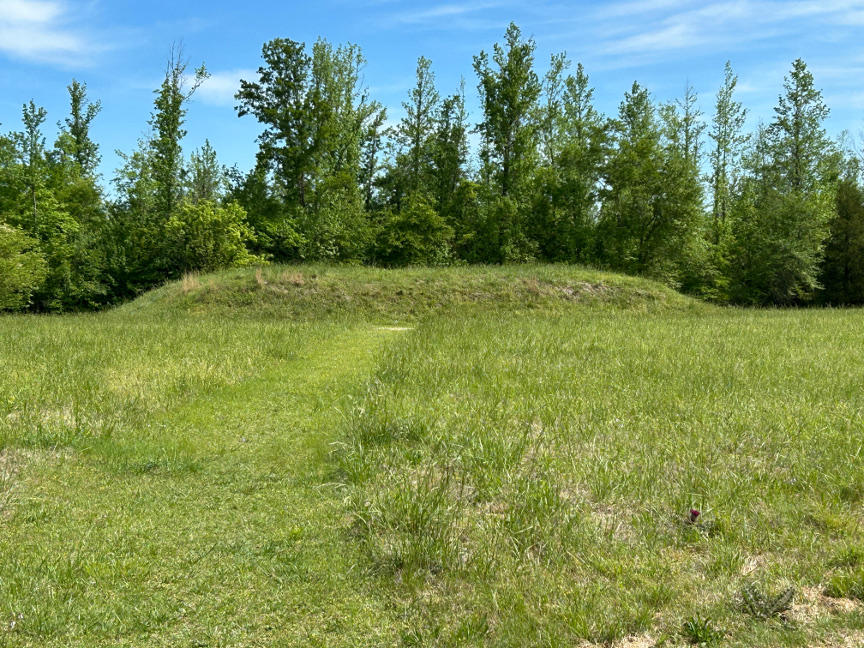
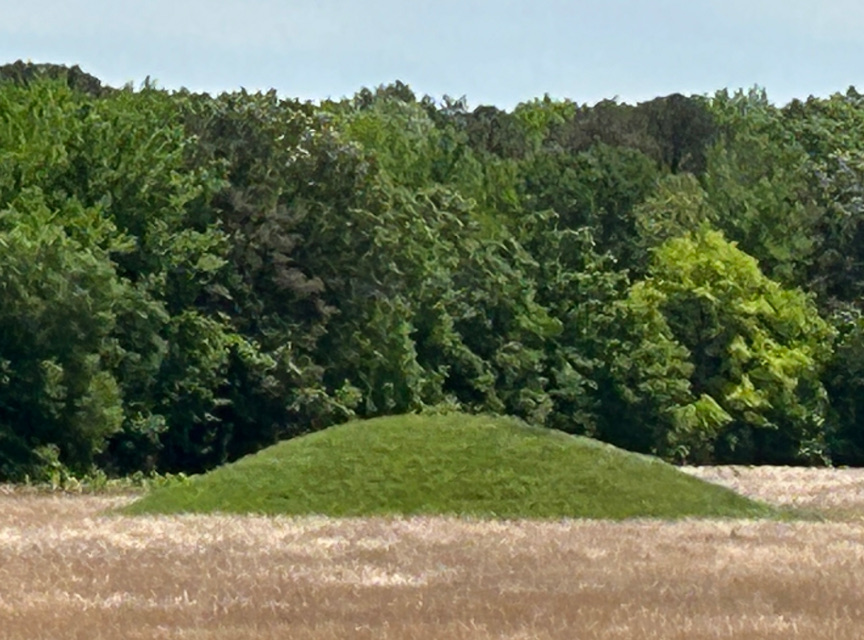
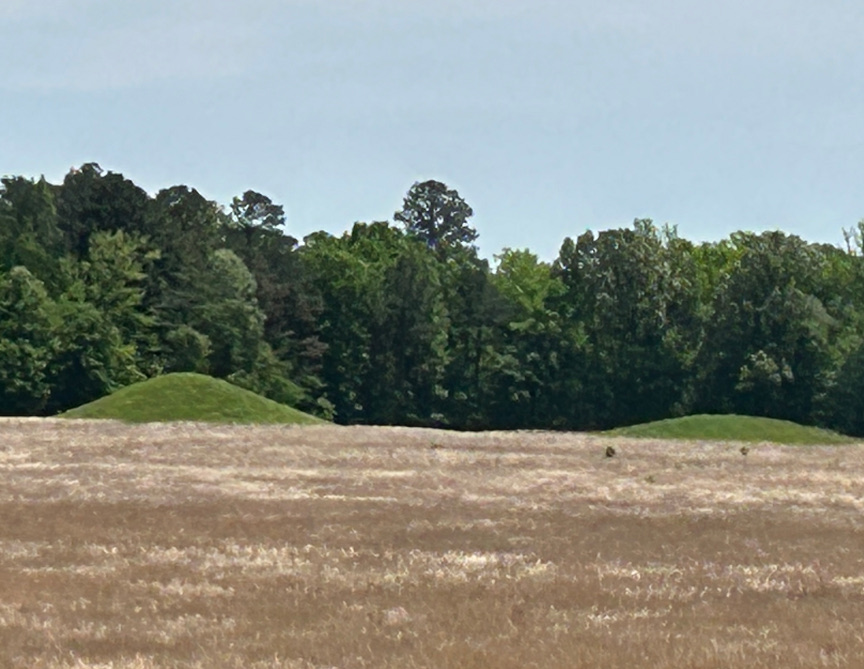
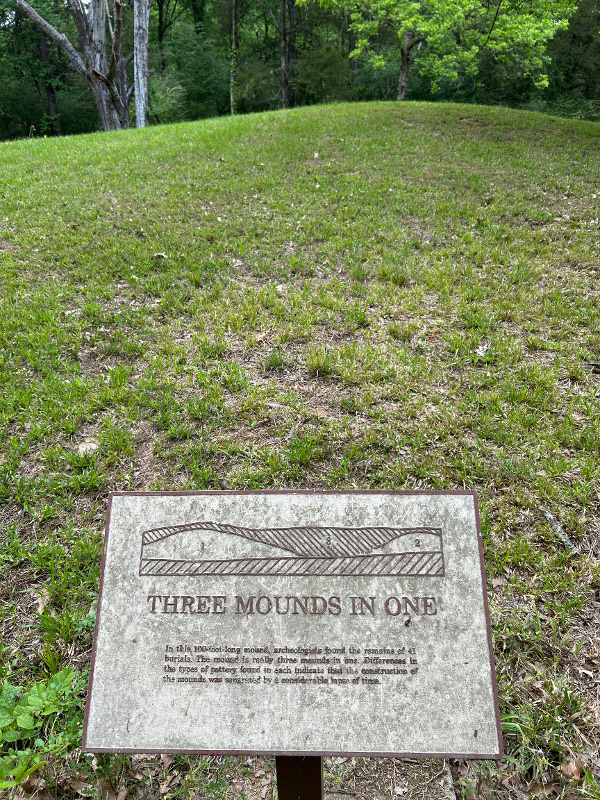
There were a few interesting things to see today: the Pharr Mounds, which are earthen mounds built by the Mississippian culture.
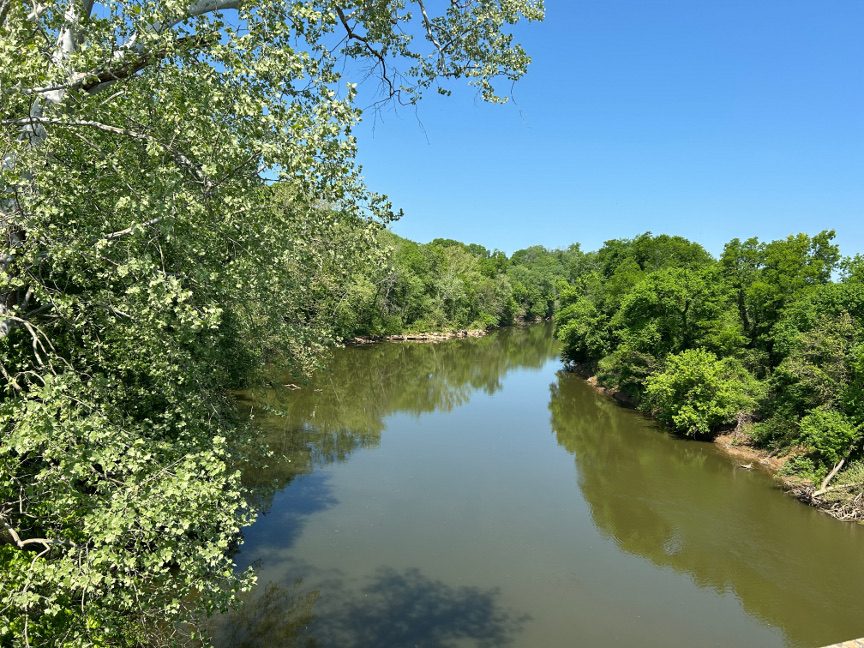
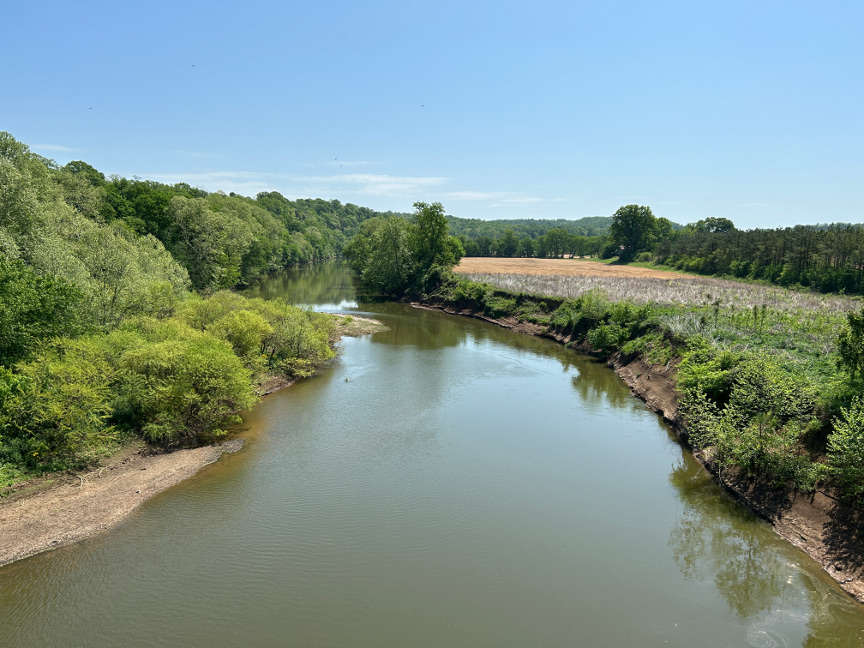
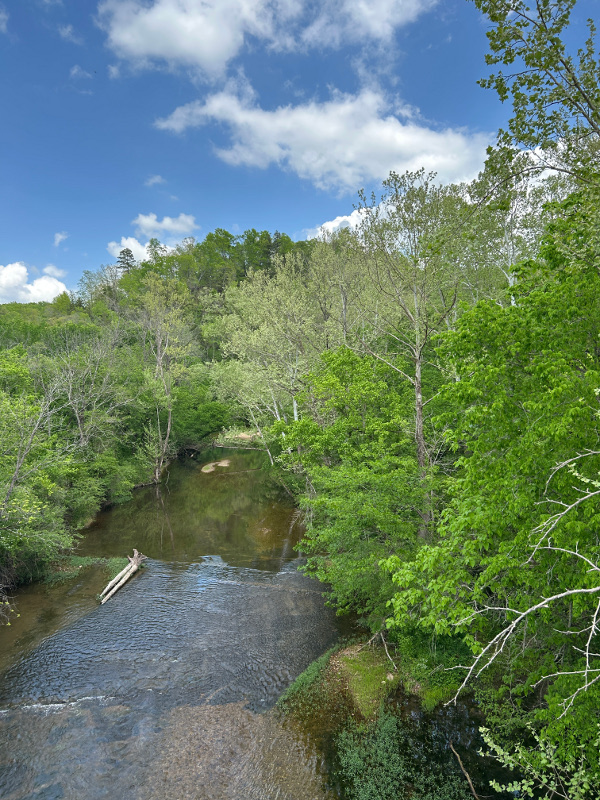
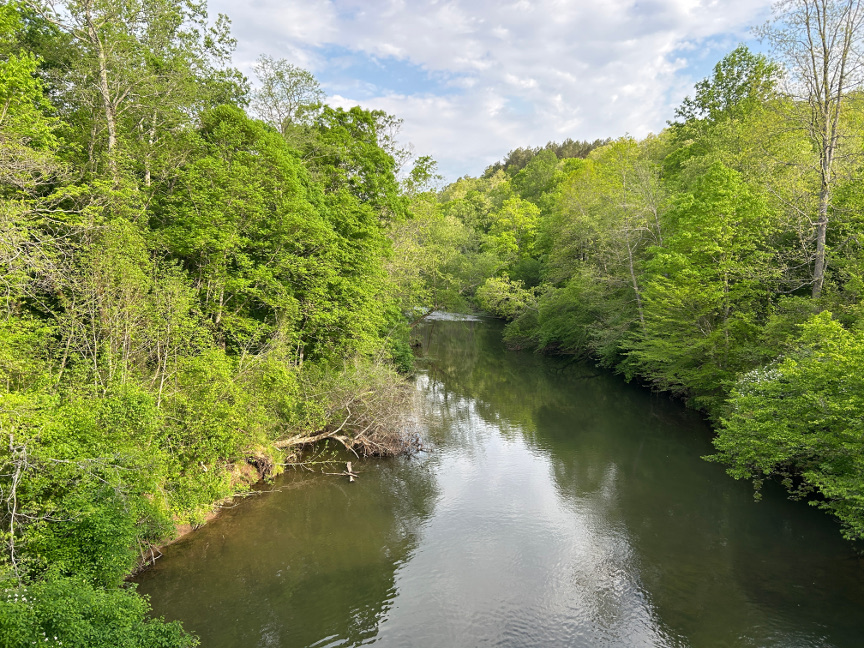
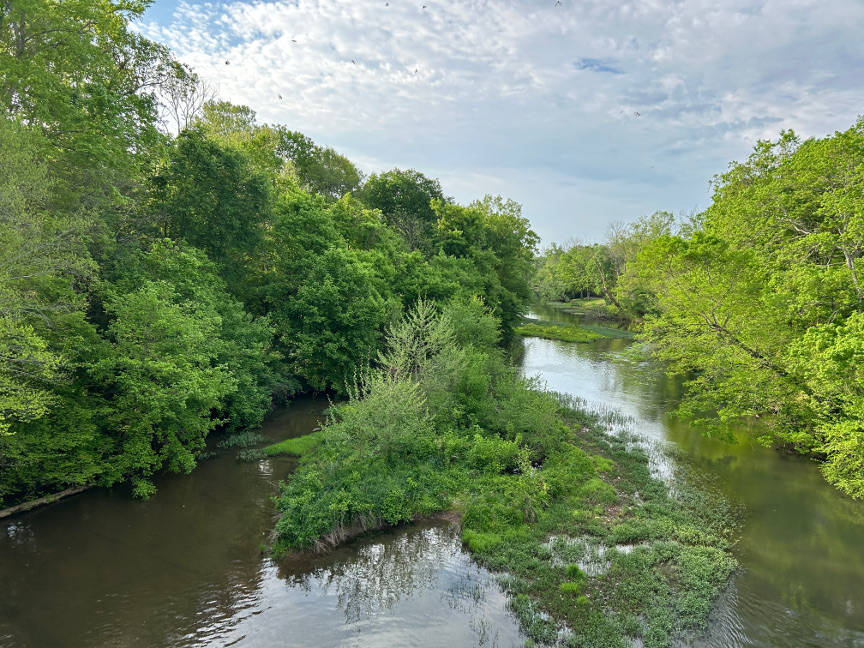
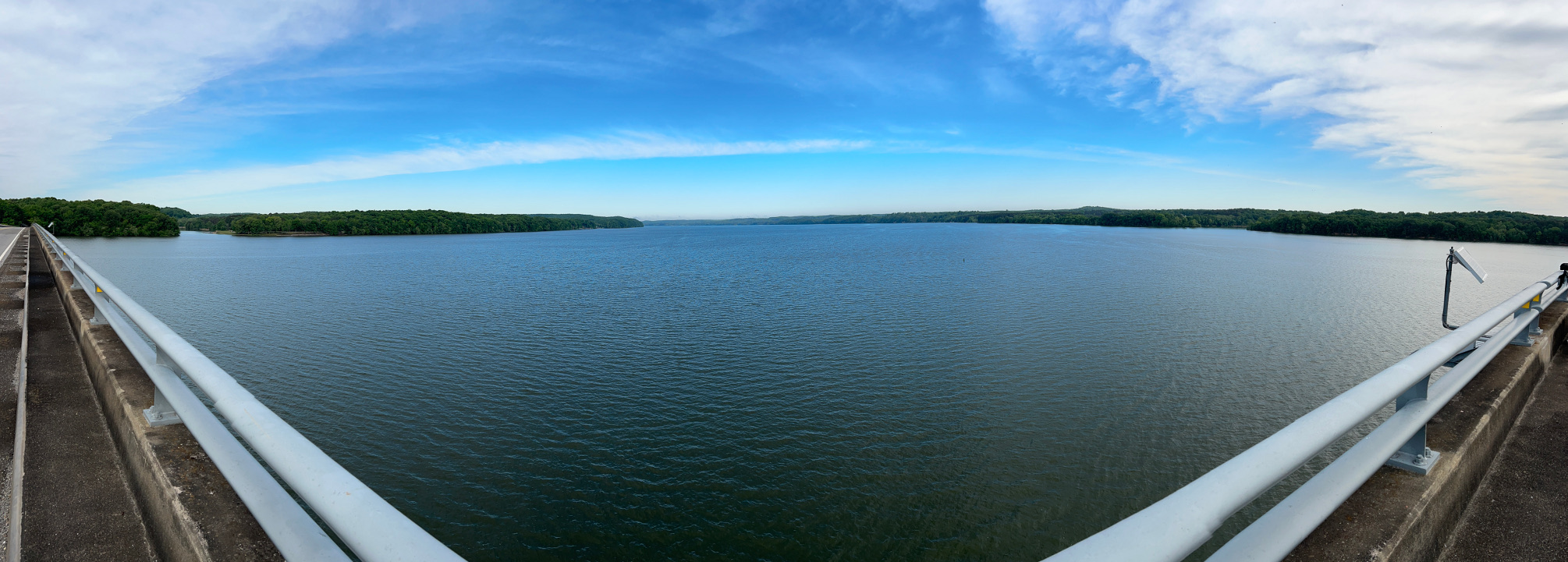
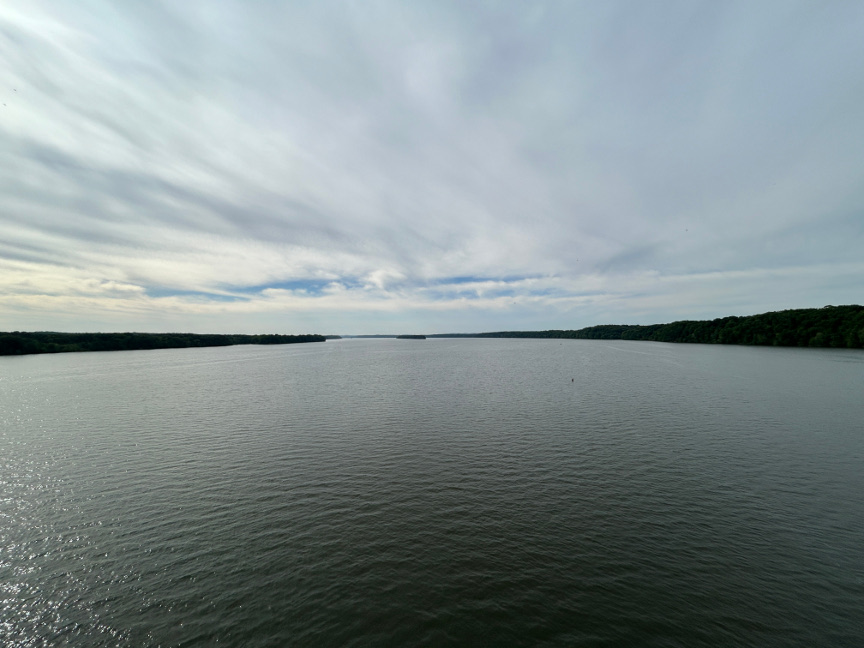
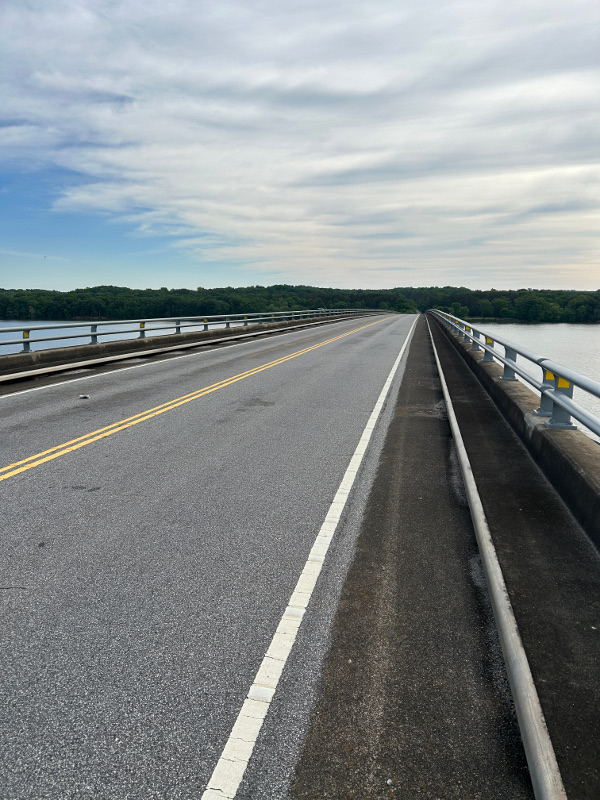
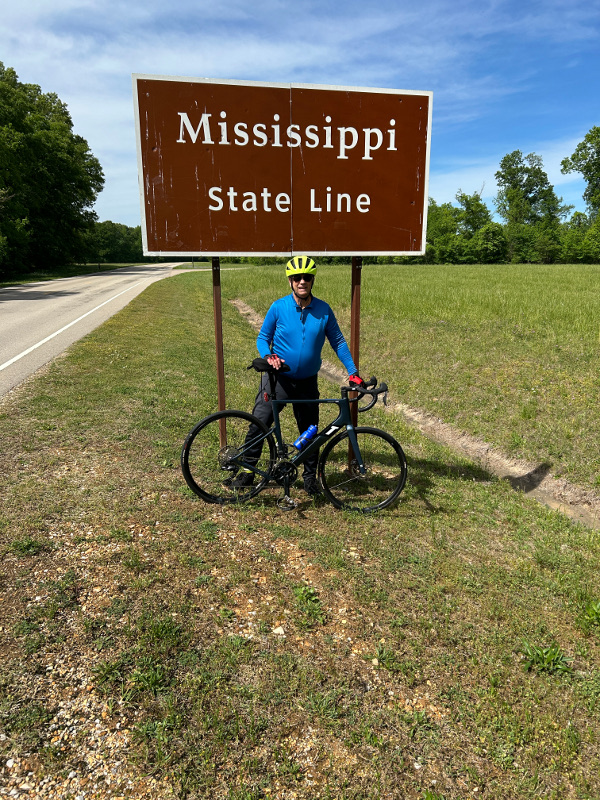
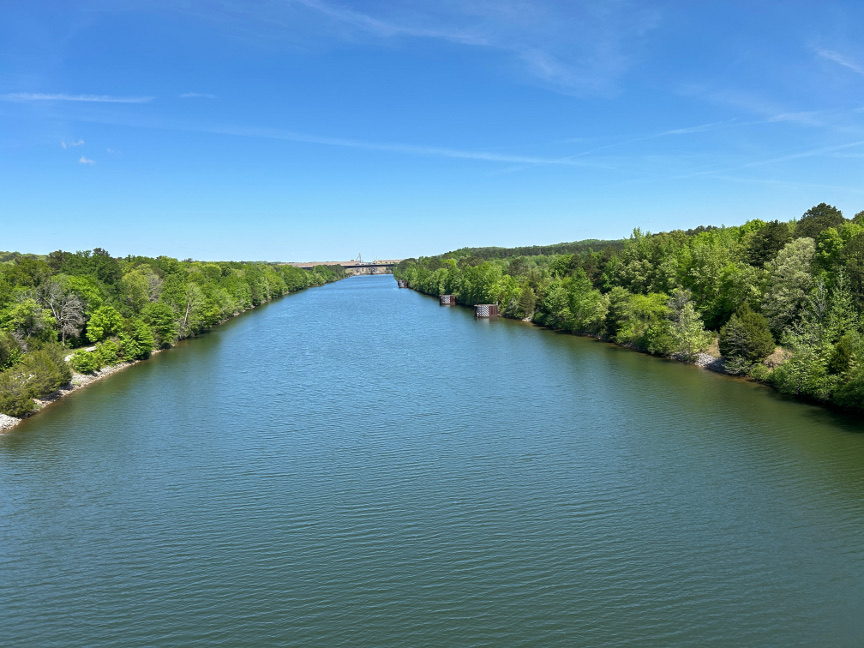
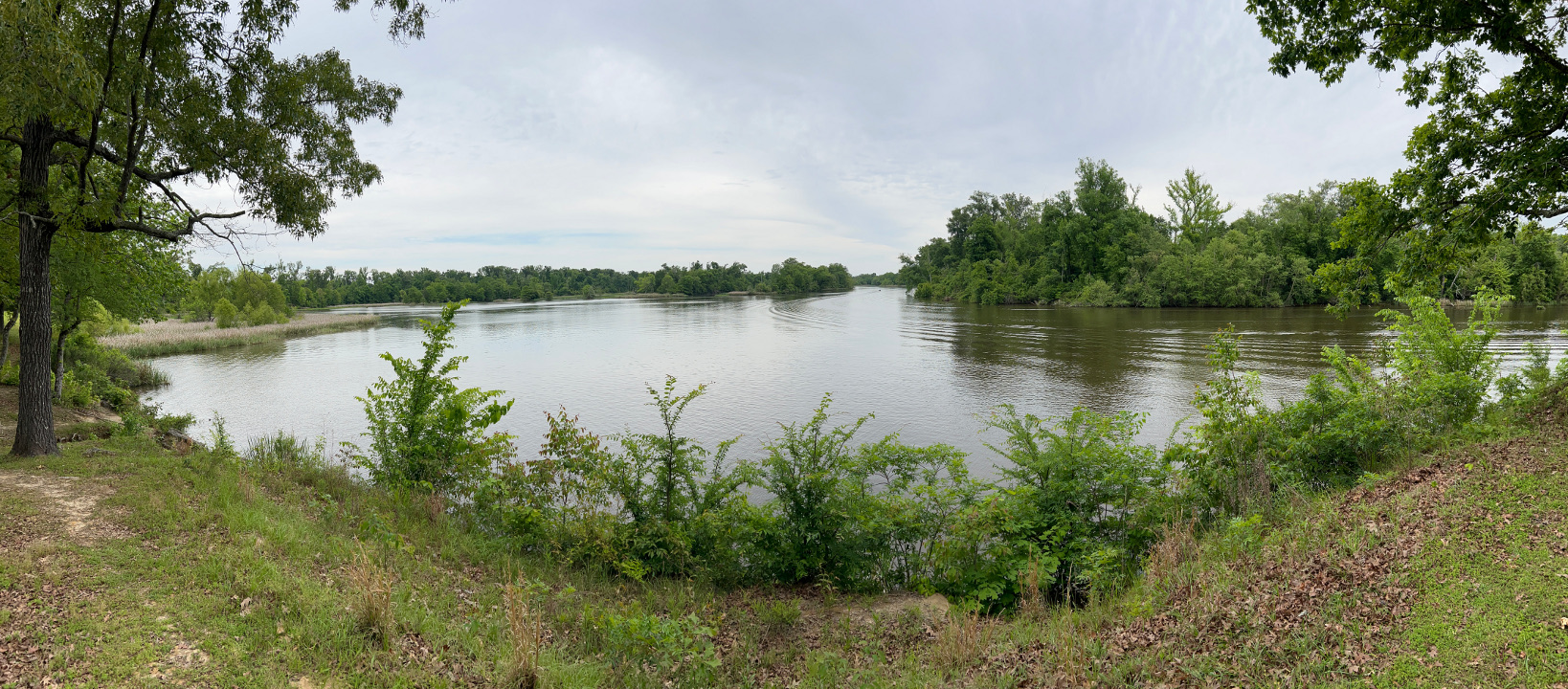
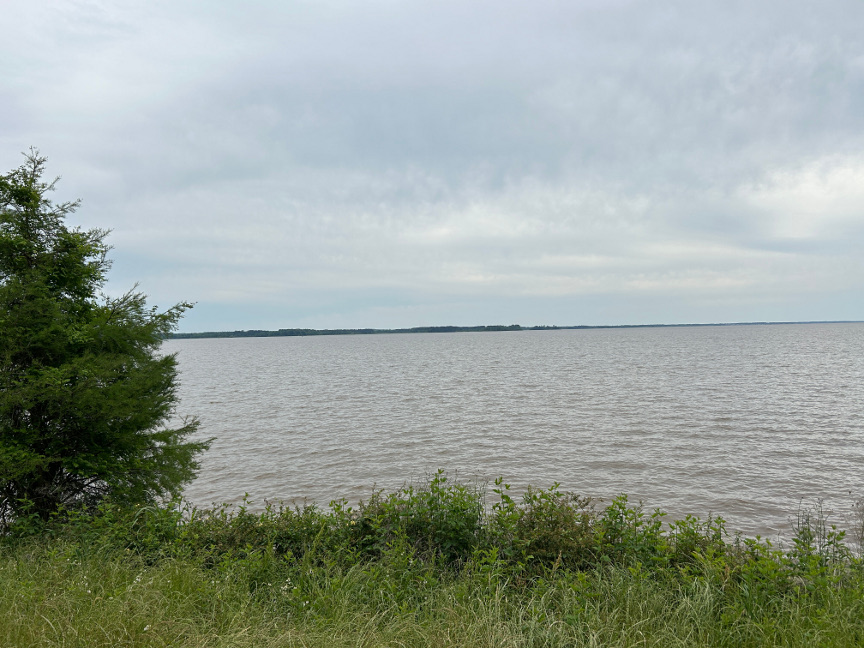
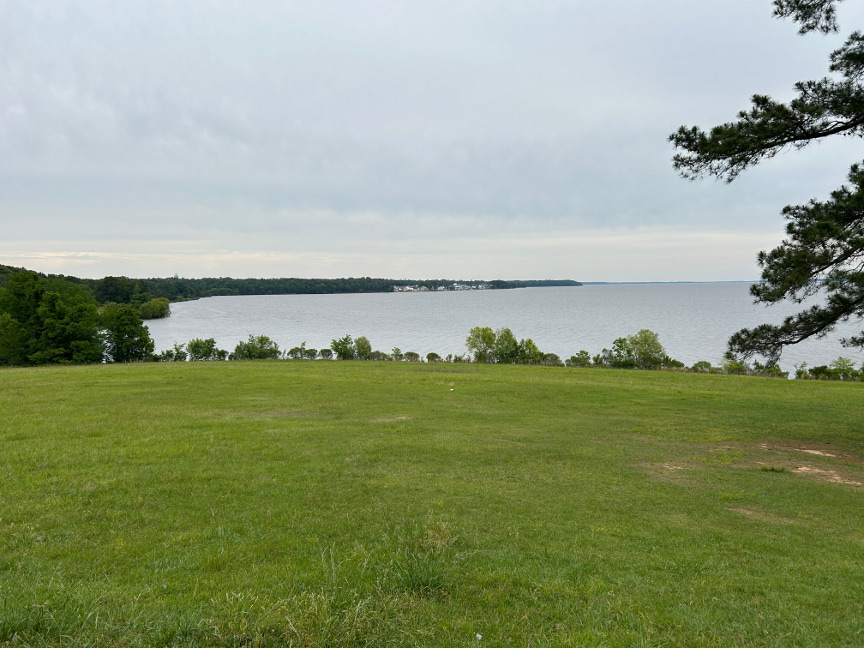
We crossed over the Tennessee RIver, which was so wide that I at first thought it was a lake.Later, we rode from Alabama over the state line into Mississippi. The other riders were much faster than me. One of the guides asked me if I had ever done any multi-day rides; I guess I looked like a rookie.
I was particularly slow because I couldn't train in Seattle due to all of the cold and rain that spring. I didn't tell them that I have ridden over 100,000 miles, including a cross-country ride.
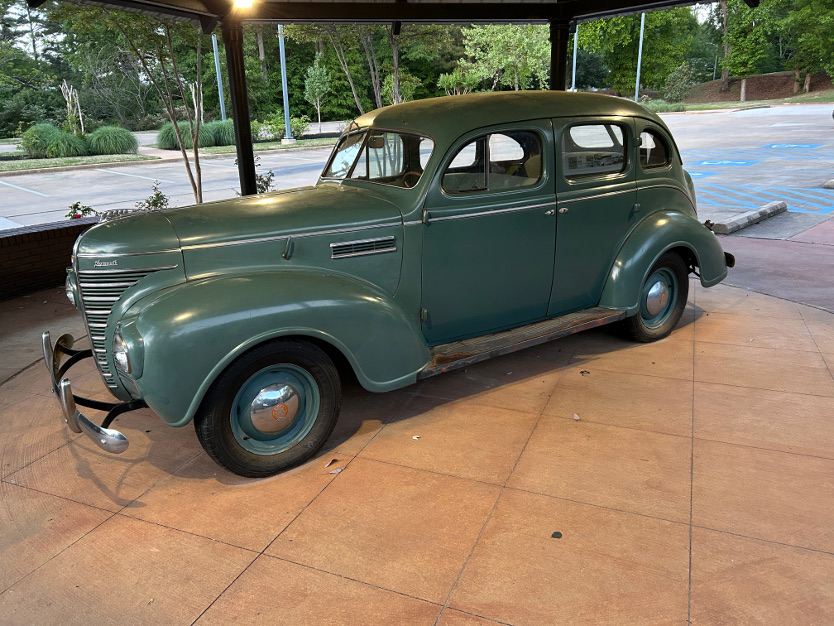
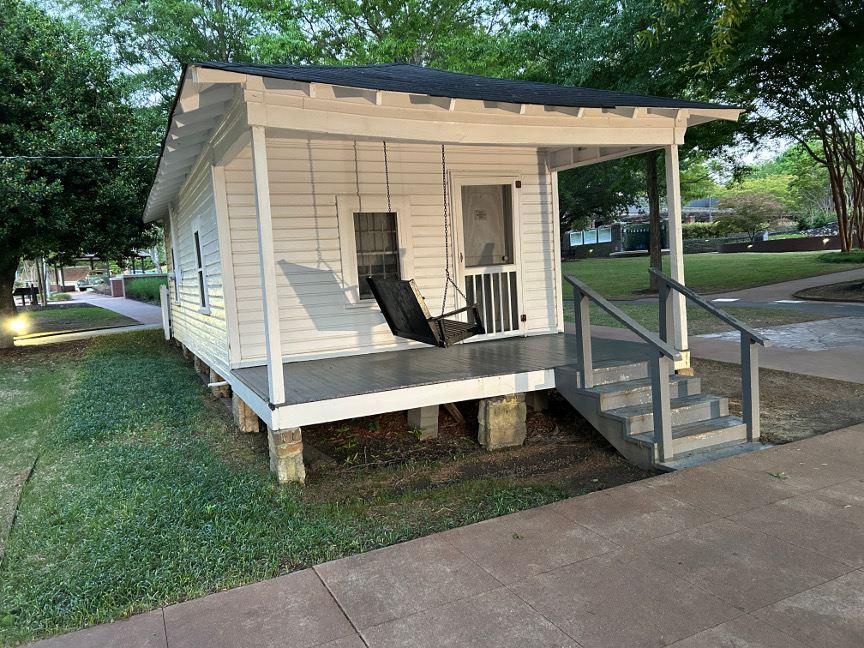
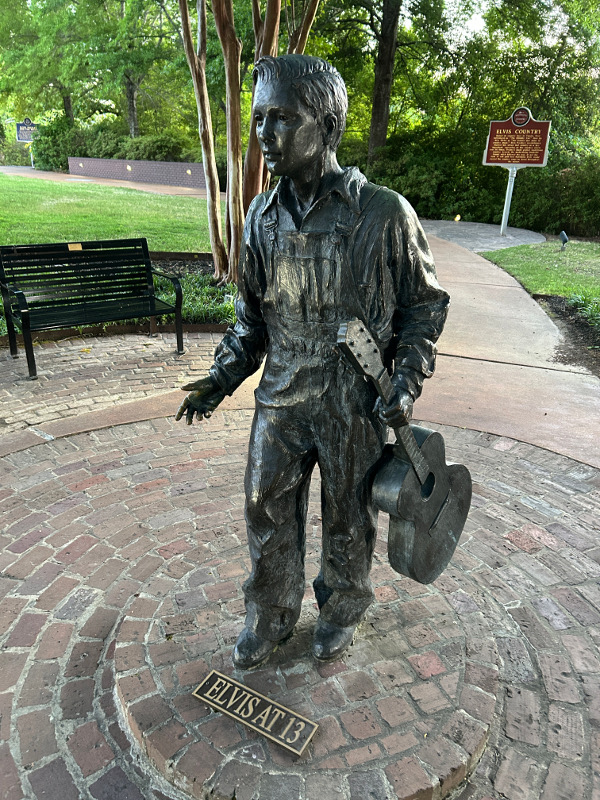
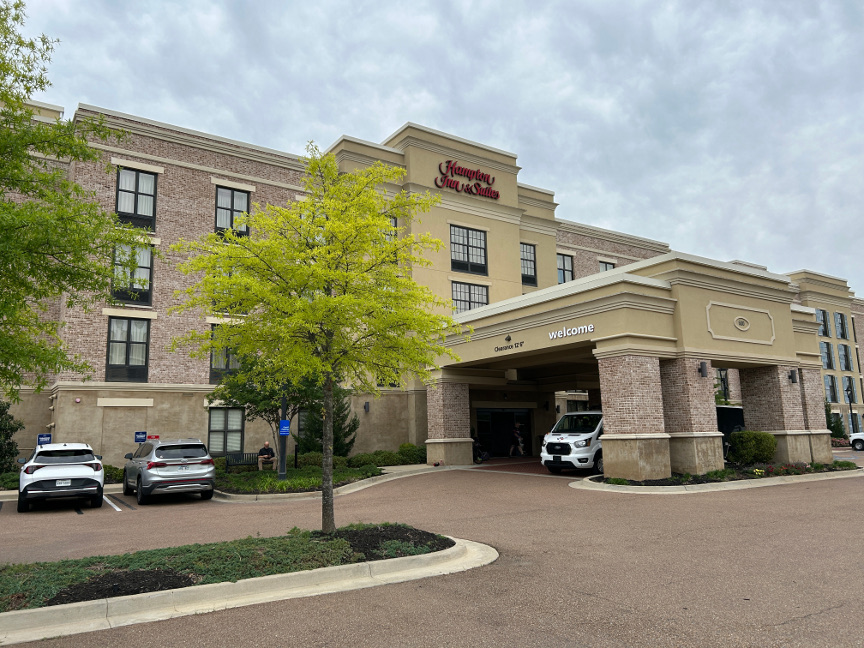
They probably wouldn't believe me anyway, given my pace. Our day ended in Tupelo, Mississippi - the birthplace of Elvis Presley. After dinner, we went over to the tiny house where Elvis (and his twin brother Jesse)
were born. Jesse died at childbirth but Elvis survived. There were various exhibits describing some early events in Presley's life. What stood out to me was the poverty. Elvis sure had humble beginnings.
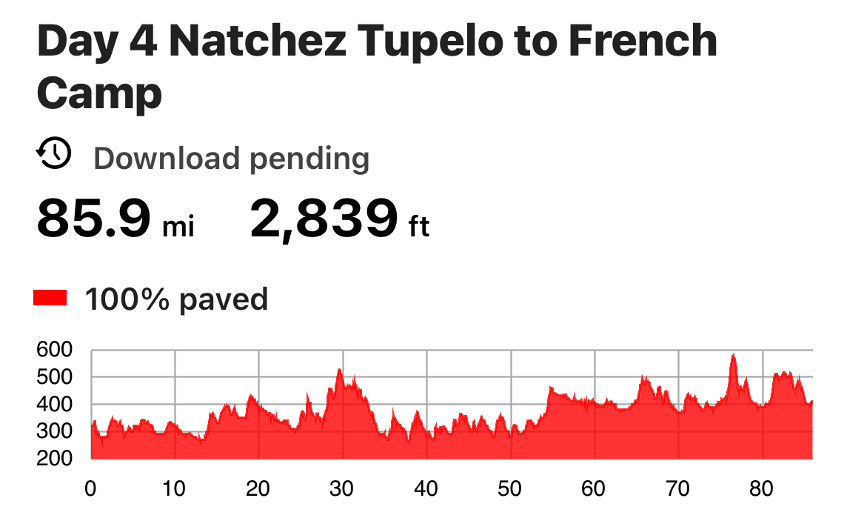
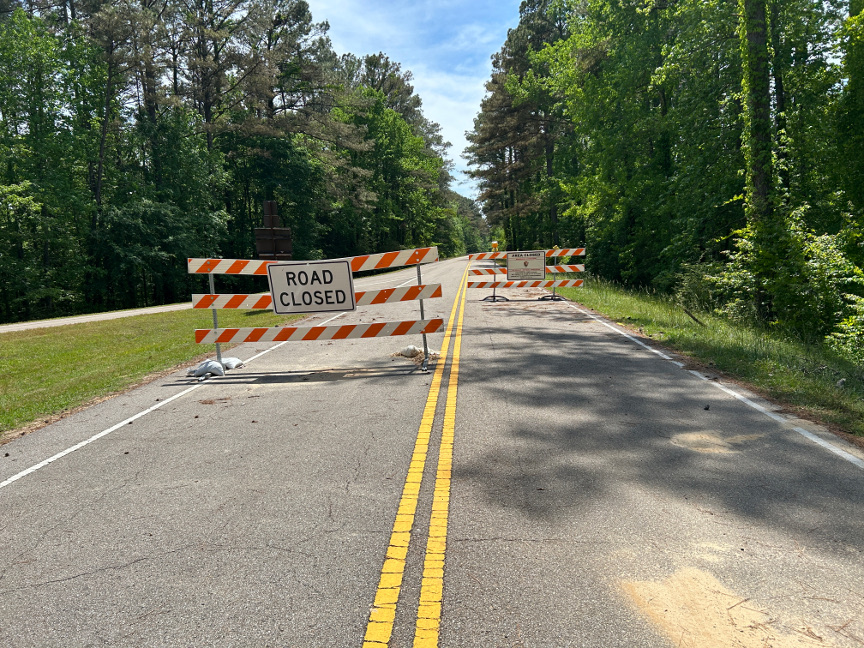
The plan called for Day 4's ride to be 86 miles with 2840' of elevation gain, but the National Park Service closed a 24 mile stretch for ongoing maintenance.
So we only rode 62 miles. The hills and the headwind wore me out. But the funny thing is that the hills are not that steep or that long (if you were driving in your car, you would not even notice them),
and the headwind was more like a head- breeze, barely strong enough to bend the grass blades growing beside the road. Yet the cumulative effect of hills and headwind was tiring. I think the distance between each mile marker was actually a country mile, it sure seemed that way! It was sunny but not hot. Nor was it humid. So it was a good day for cycling. We had decent weather through out this entire tour. Mostly there was nothing to look at except miles of tree-lined road. There were some historical markers; I stopped to look at a lot of them.
Hernando de Soto was thought to have explored this part of Mississippi back in 1540, long before the English established any colonies in the New World. His exploration team encountered a
vast Mississippi Valley culture teeming with people. However, de Soto brought smallpox with him, and so by the time other European explorers pushed into the area, the Mississippi Valley
culture had vanished and the settlers thought they had found virgin landscape. The guide treated us all to milkshakes when we reached French Camp, Mississippi. Day 5's ride was 62 miles but only 1800' of elevation.
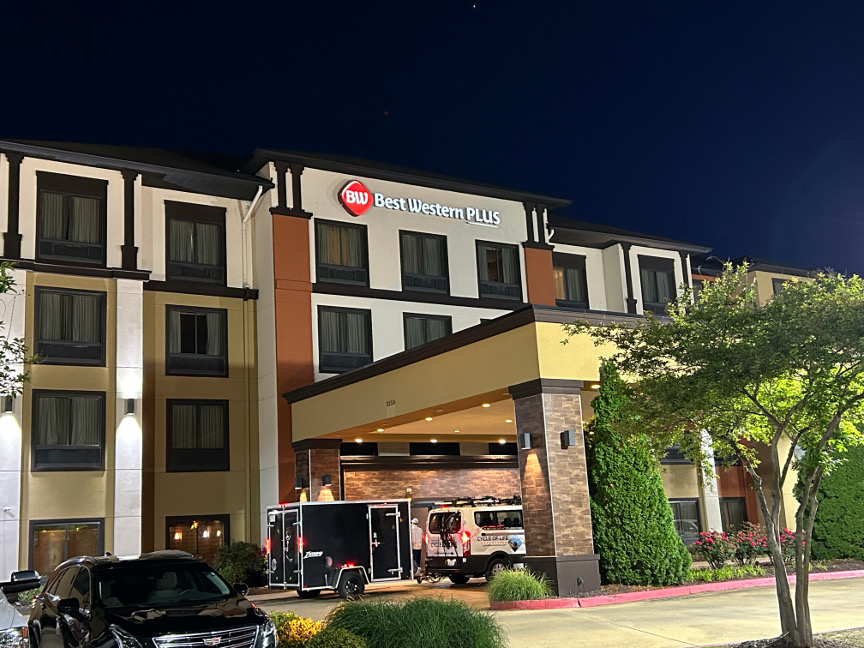
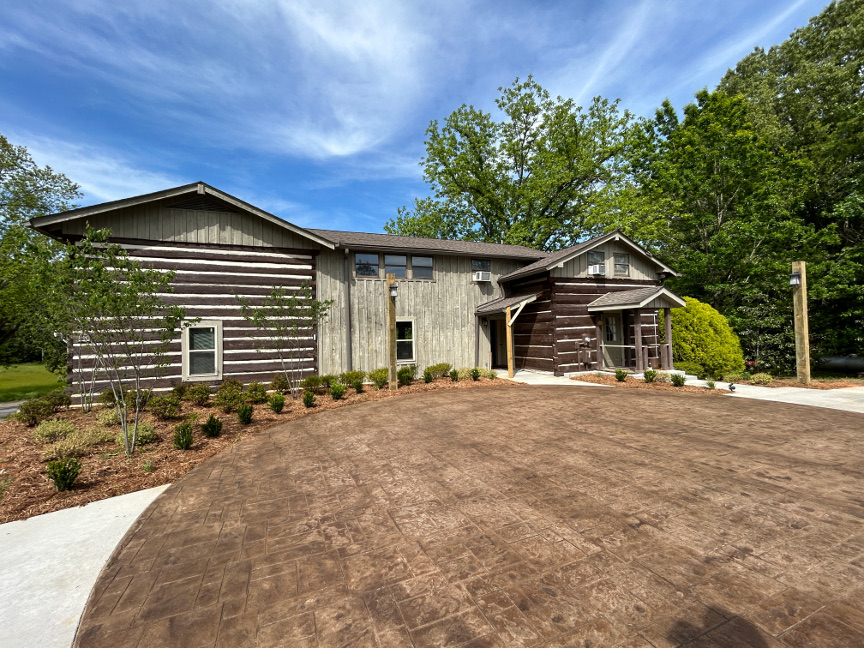
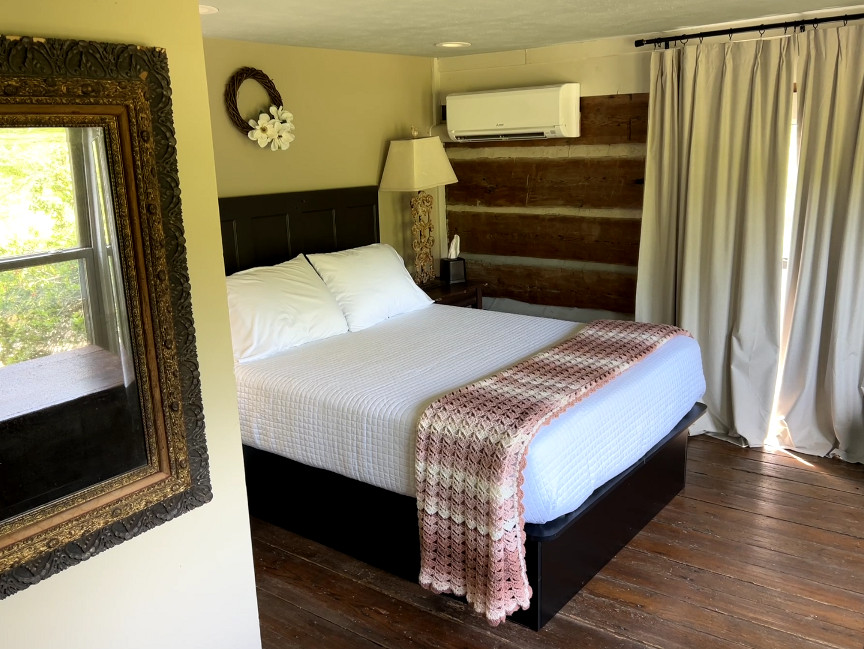
At French Camp the B&B we stayed at was constructed from two genuine log cabins, connected together with new construction. Dinner was served by the B&B, we didn't go out.
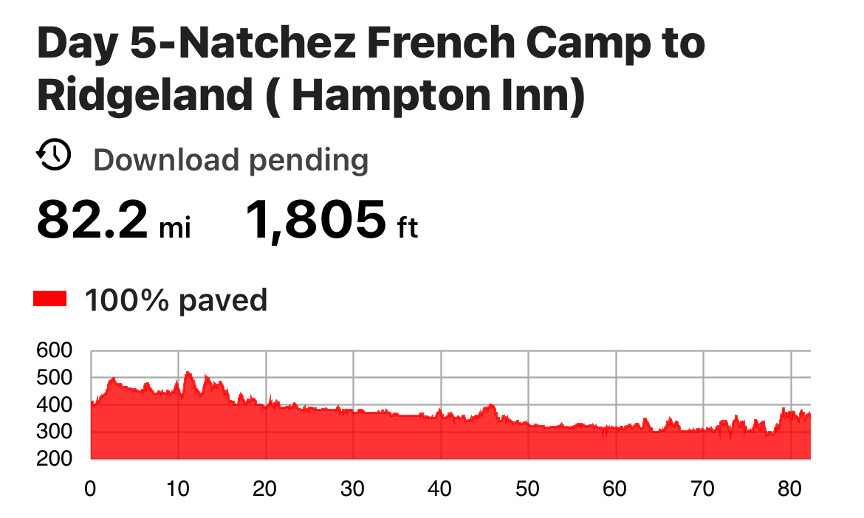
On Day 5's ride there were almost no hills. The weather was ideal. But unfortunately, there was a headwind all day. Most of the time, it was just a breeze,
but sometimes it was a strong enough gust that the tree branches would sway. 76 miles of fighting the wind tired me out. This tour company runs four or five Natchez Trace tours each year, I wondered
why they don't go south to north and enjoy a tailwind all the way? It seems that the farther south we get - the closer to the Gulf we get - the stiffer the wind.
The other three tour participants formed a mini-pace line so that they could draft off of each other. I tried to hang on their tail, but couldn't match their
speed and fell back after less than two miles. So I had to fight the wind on my own all day.
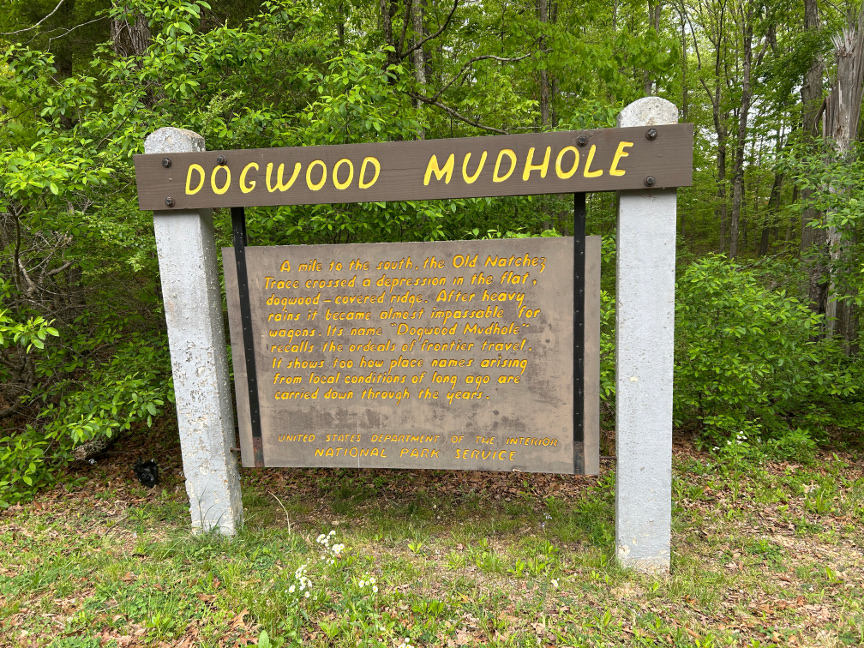
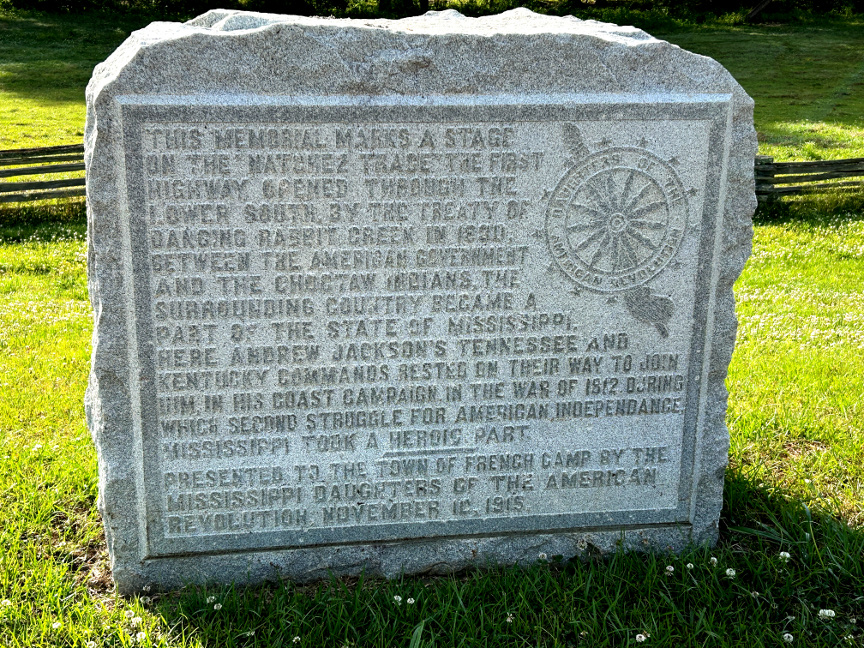
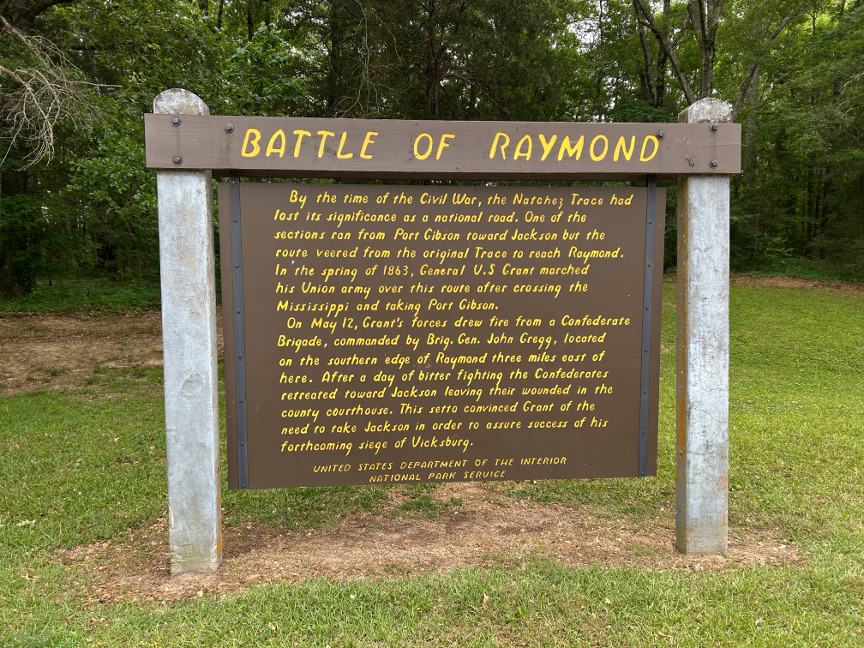
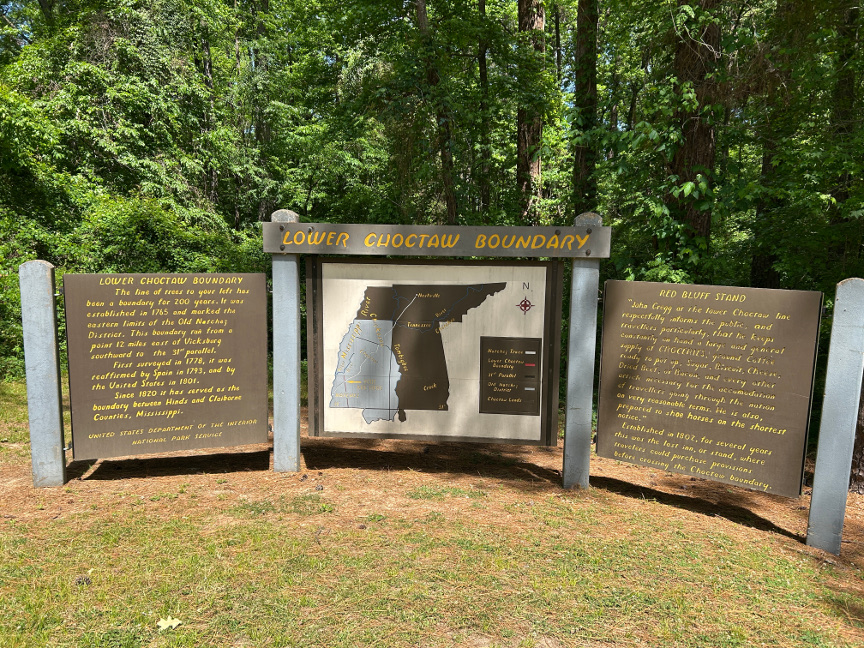
I continued to stop at most Historical Markers, They were the most interesting thing to see. After hundreds of miles of tree-lined roadway, I wasn't enthralled by
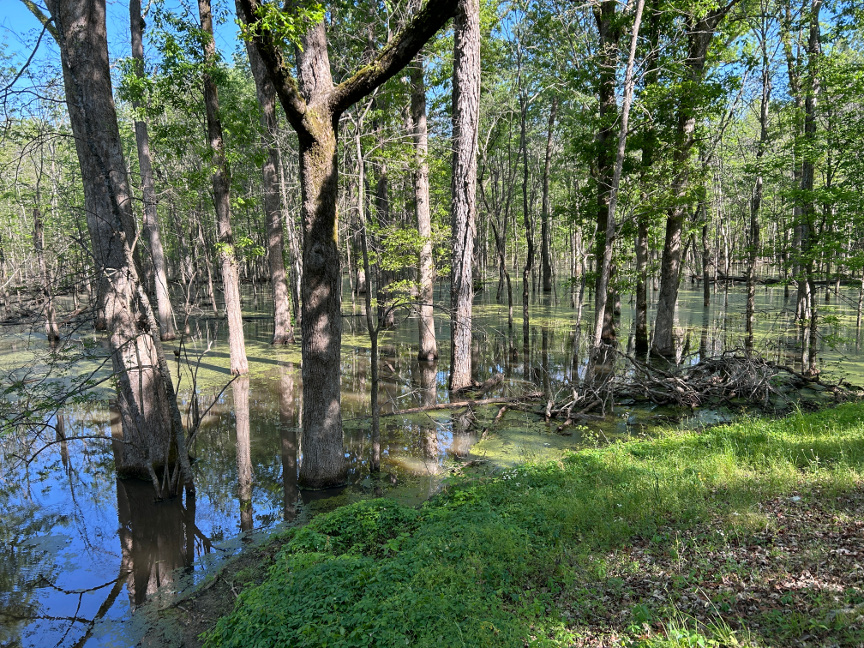
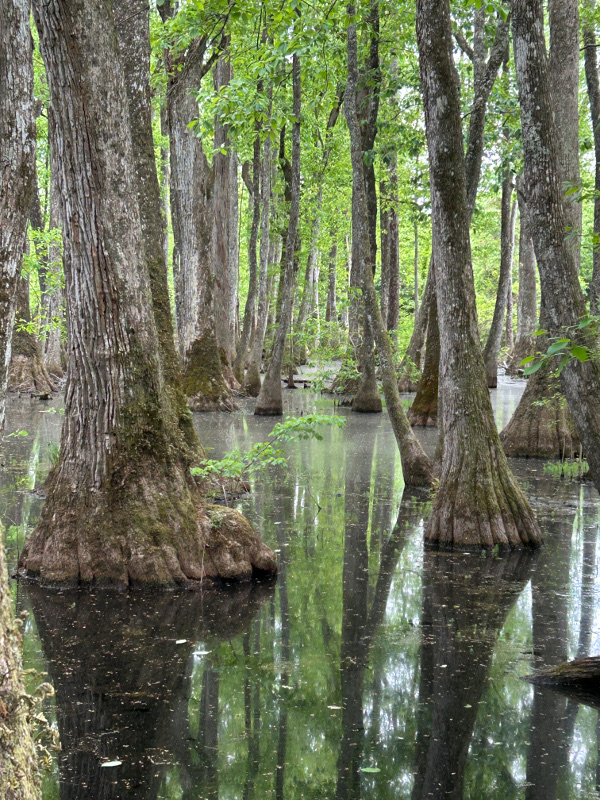
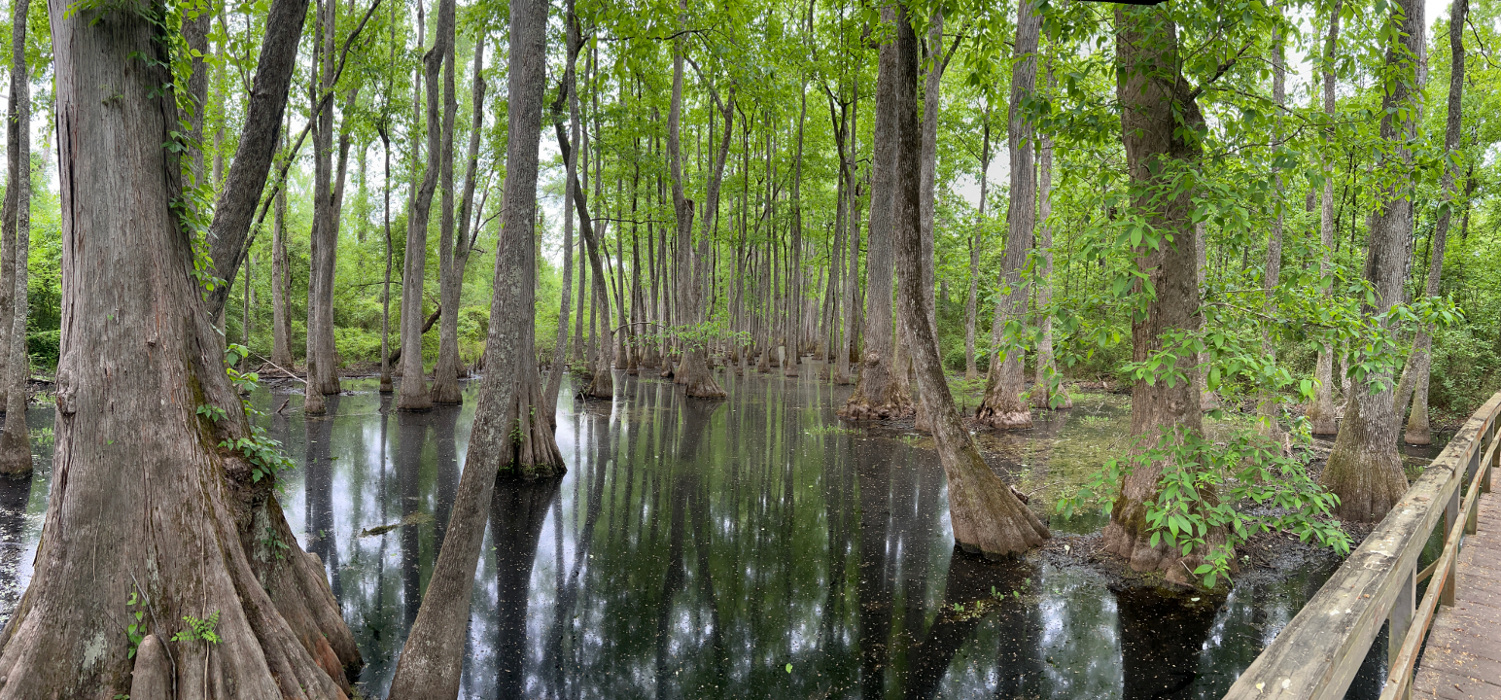
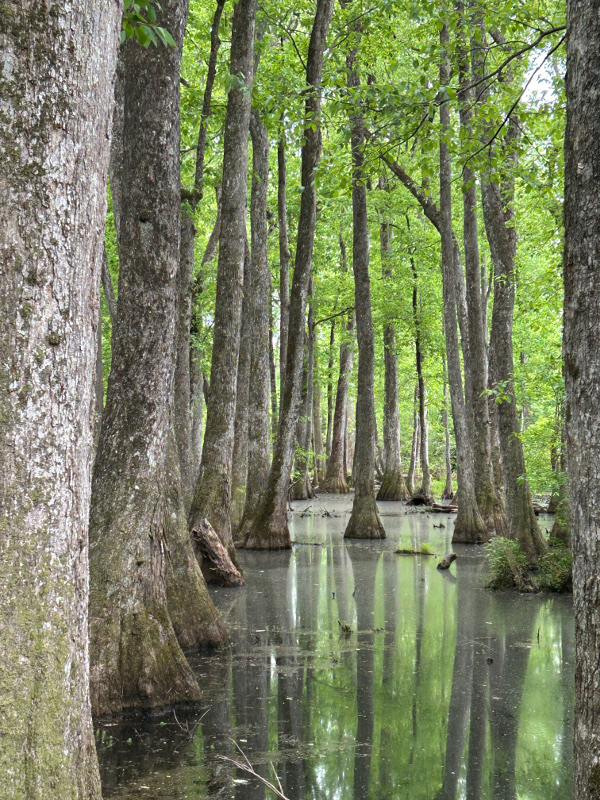
seeing more trees alongside the Natchez Trace. It had become monotonous. One stop I really liked was the Baldcypress Swamp. It looked really cool, with trees growing up out of the water.
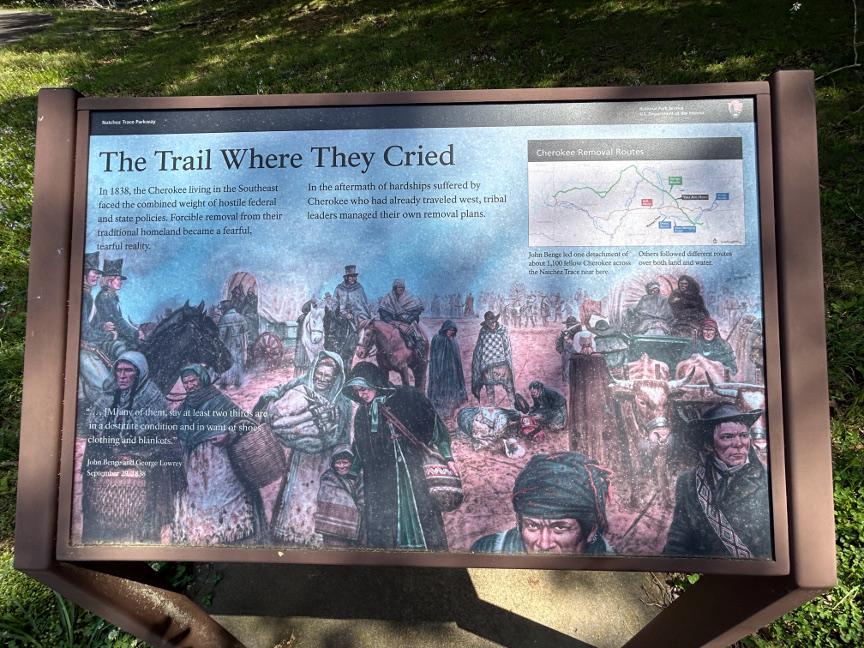
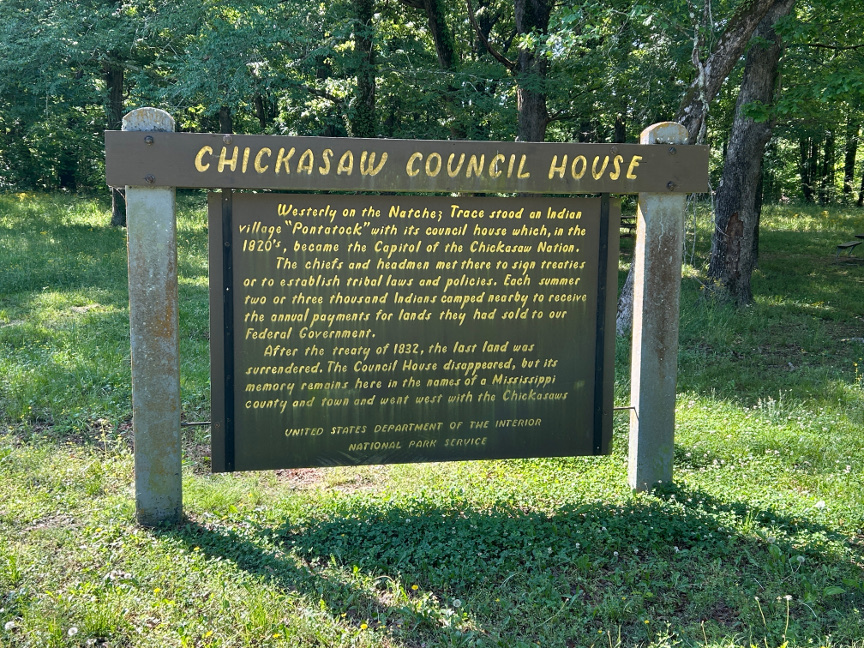
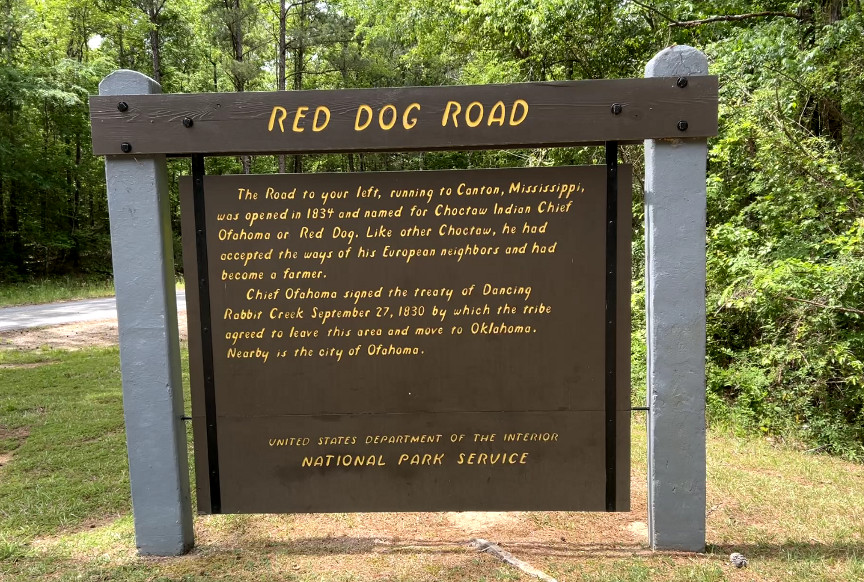
The historical markers that described the settlers making treaties that repeatedly stole more and more land from the Indians were depressing. Eventually,
the settlers confiscated all of the land east of the Mississippi while the native tribes were sent off to the most worthless land in the country: Oklahoma. The official distance for today was 82 miles, but the last 6 miles were on a bike trail from the Natchez Trace to our hotel, so I opted to take the SAG wagon
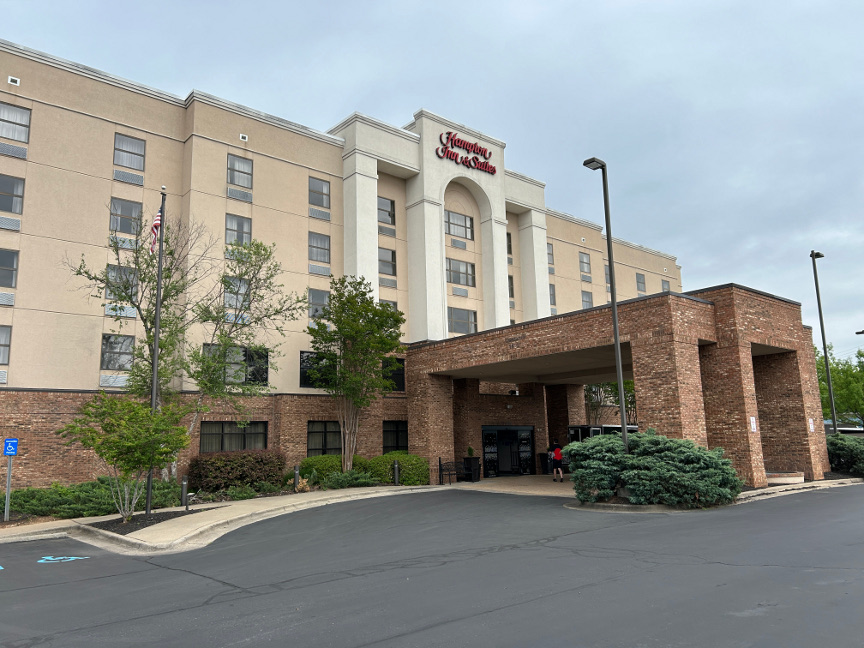
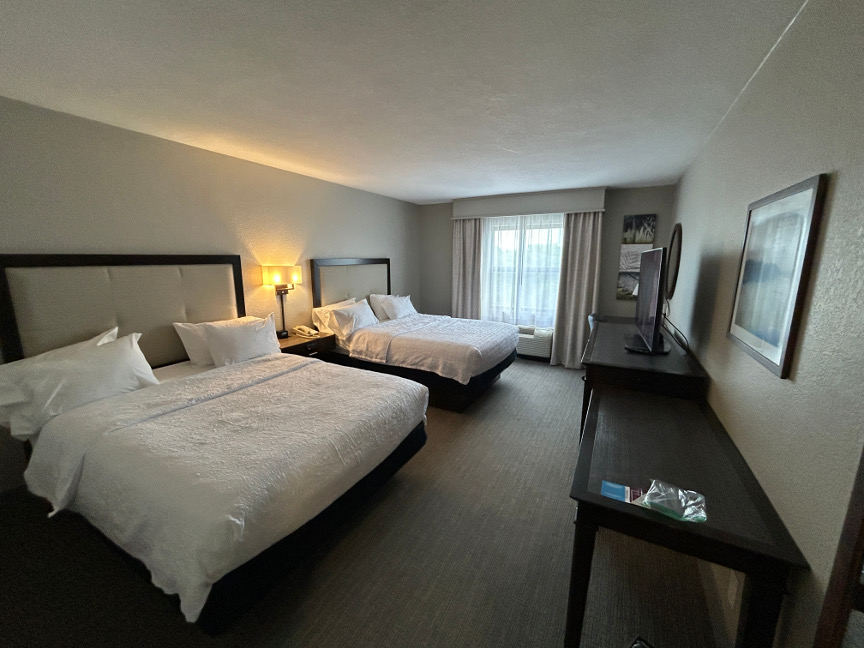
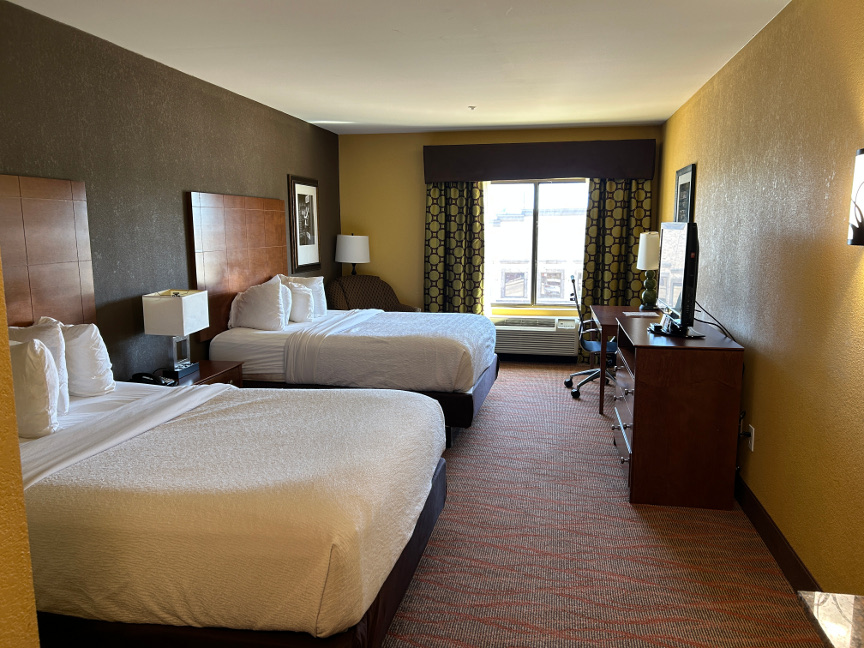
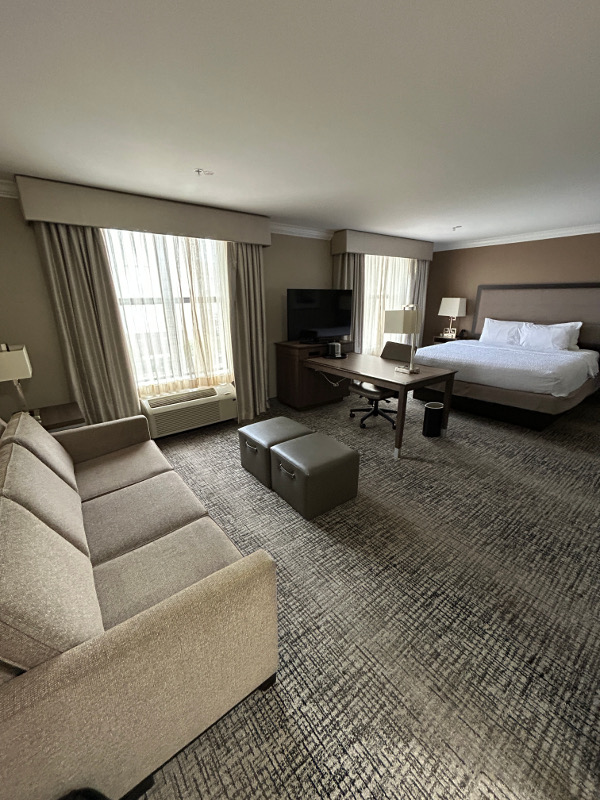
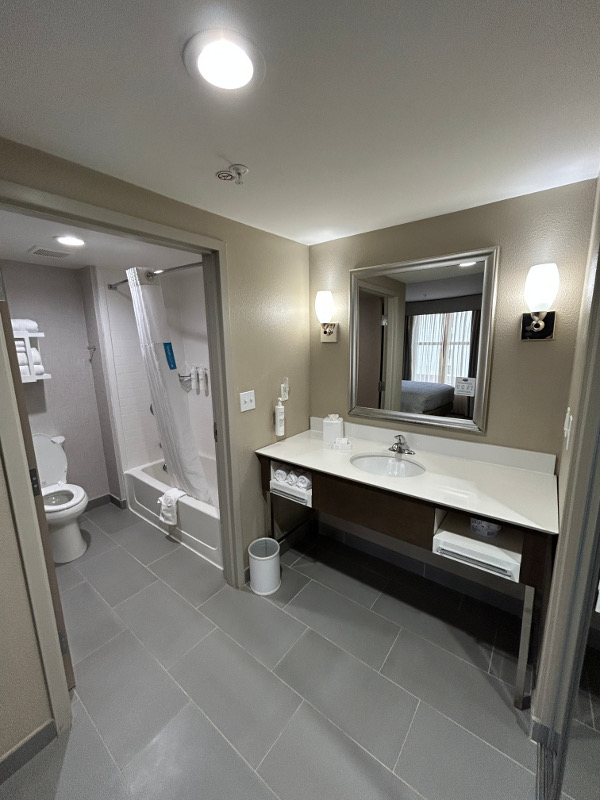
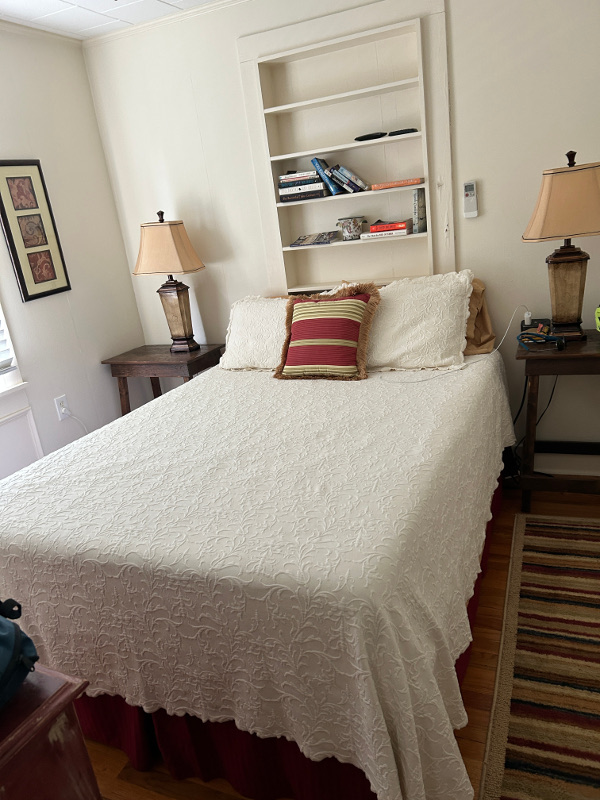
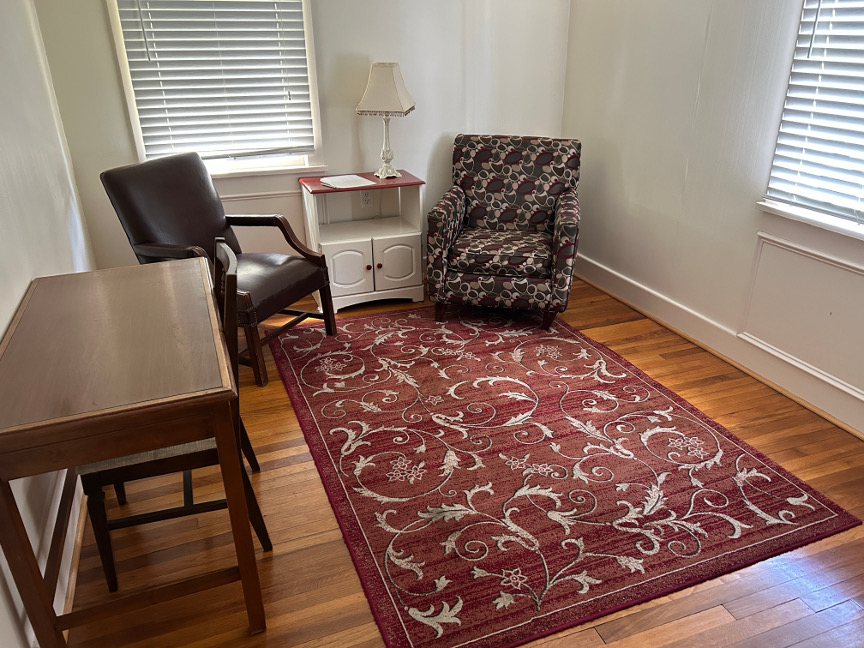
to the hotel - thus my total was 76 miles. For some reason, I was given an immense executive suite, with desk, couch, kitchenette and microwave.
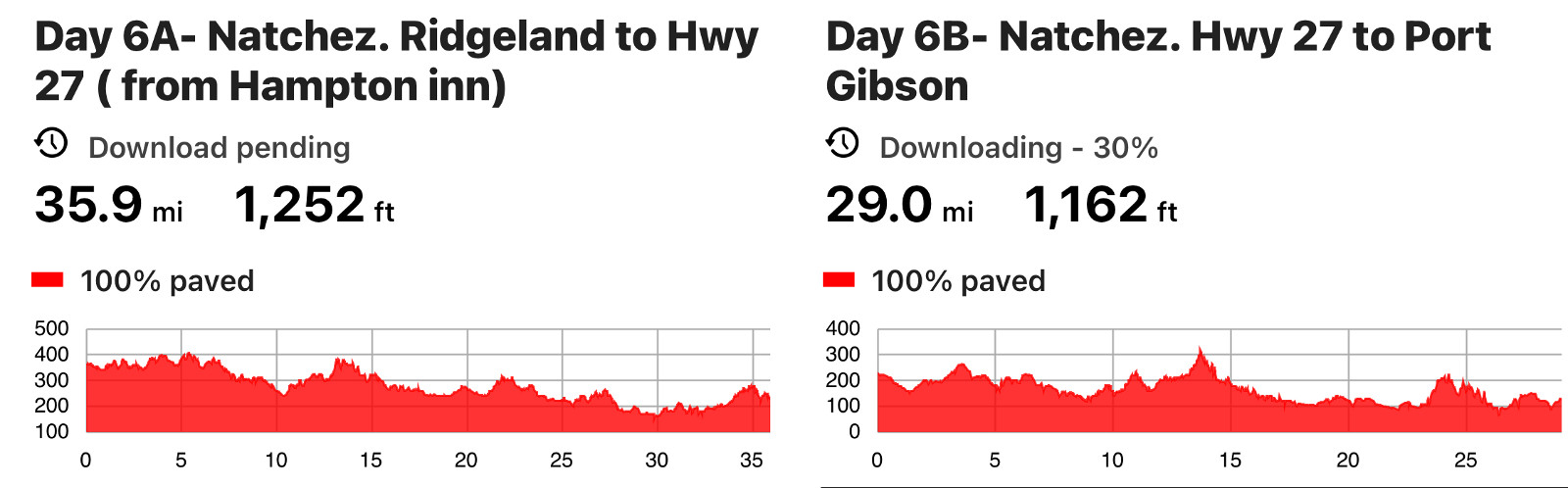
Day 6 ride was 62 miles. I was determined to make it all the way, and I eventually did. But I was aching in many places. It's not my legs that were hurting, it was my underside on the bicycle seat.
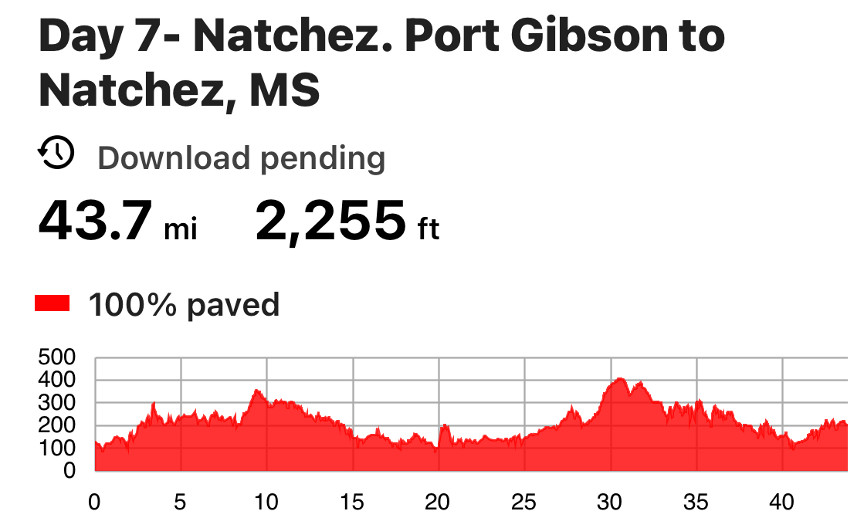
Doing a long multi-day bike trip without any training turned out to be a bad idea. There were only about 42 miles left on the Trace on Day 7's ride.
Today was much like the previous days - hills and headwinds. The hills are not steep or that long, and the headwinds are more like head-breezes, but the cumulative
effect wore me out. I was glad that just one day remained. I was no longer interested in looking at scenic tree lined road. I hardly took any pictures on Day 6.
This tour used to give riders the option of riding the first 36 miles, and then shuttling over to the Vicksburg battlefield.
I wished they had that option still, because I would have liked to see the Vicksburg site. I remember reading how U. S. Grant's capture of Vicksburg gave the Union control of the
Mississippi and sliced the Confederacy in two. Lincoln liked what he saw, and gave Grant control of all the Union forces.
If you had asked me a week ago, I would have confidently told you Vicksburg was in Tennessee. I was surprised to learn Vicksburg is here, so far south in Mississippi.
Everyone had Finishing Fever today - just a short day of cycling and we finished in Natchez, Mississippi. There was a potential detour to see a Native American mound,
but the other riders had already sprinted ahead to the final mile marker, so I skipped seeing the Emerald Mound. The guides warned me that it was at the bottom of a steep hill that would be a challenge to
ride back up.
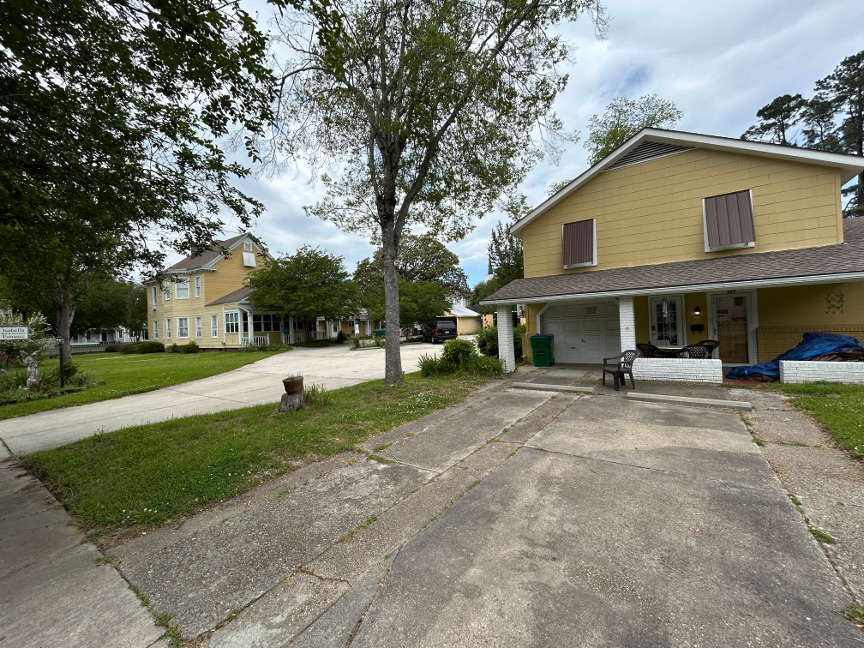
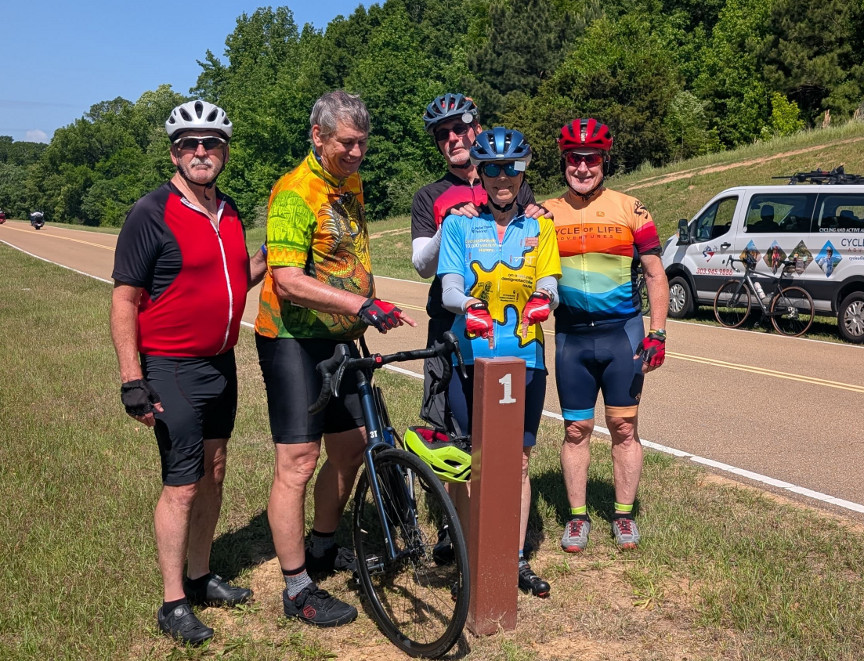
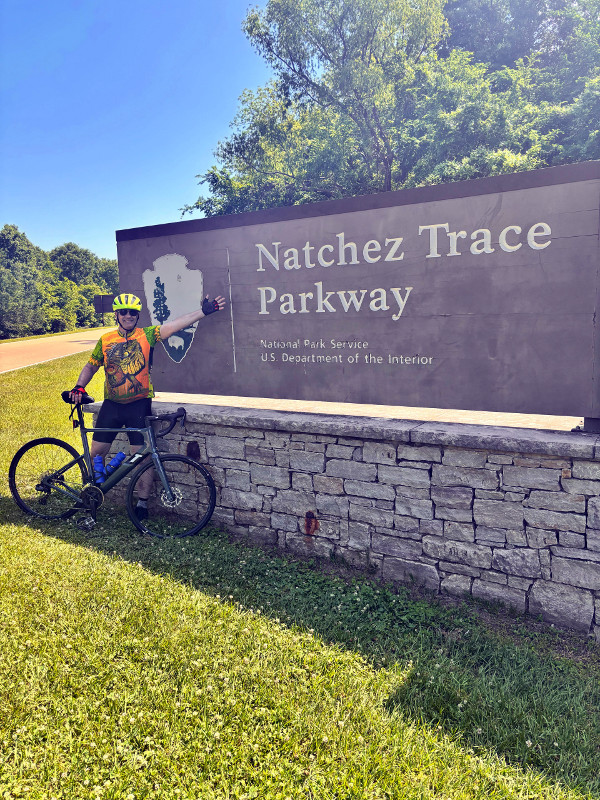
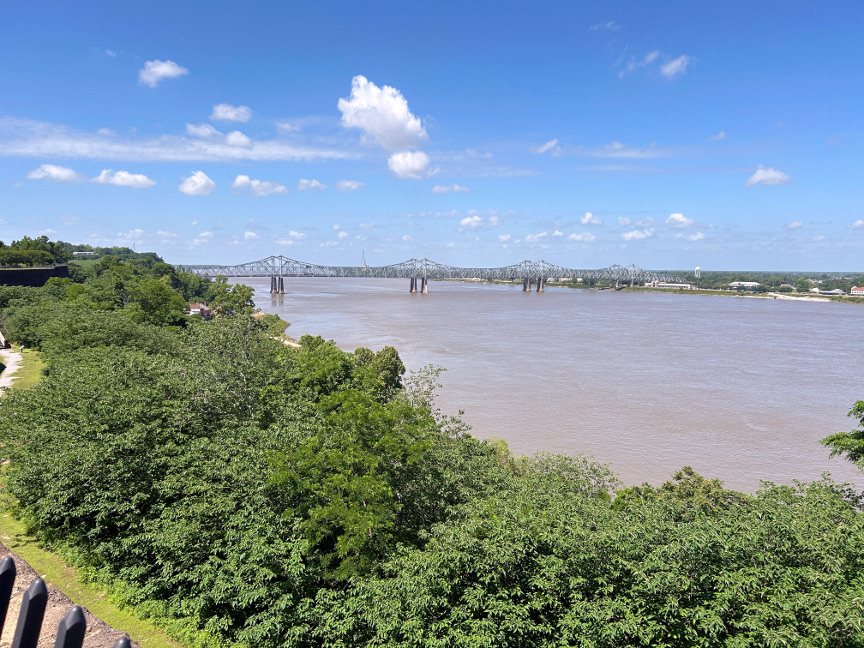
We posed for a set of victory photographs at the southern terminus of the Natchez Trace, then rode into the town of Natchez. The town is on the bank of the Mississippi River.
We had a farewell lunch, and then I got a ride to the airport in Jackson, Mississippi. I flew back to Seattle via Atlanta. I was a bit disappointed by the sight-seeing opportunities along the Natchez Trace. It is an ideal route for someone interested in putting in plenty of miles on a well-maintained
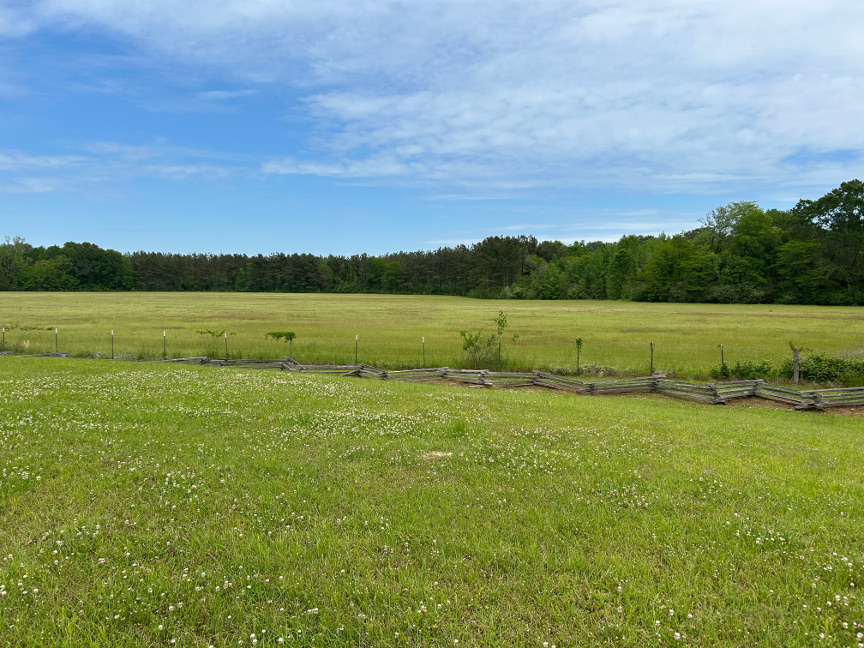
road with little traffic. But in terms of interesting places to explore, the opportunities were limited. Mostly there are just miles and miles of trees lining the roadway.

Day 1 : Nashville to Hohenwald

Day 2 : Hohenwald to Florence
Day 3 : Florence to Tupelo
Day 4 : Tupelo to French Camp
Day 5 : French Camp to Ridgeland
Day 6 : Ridgeland to Port Gibson
Day 7 : Port Gibson to Natchez
Click here to return to Main Vacation Menu